


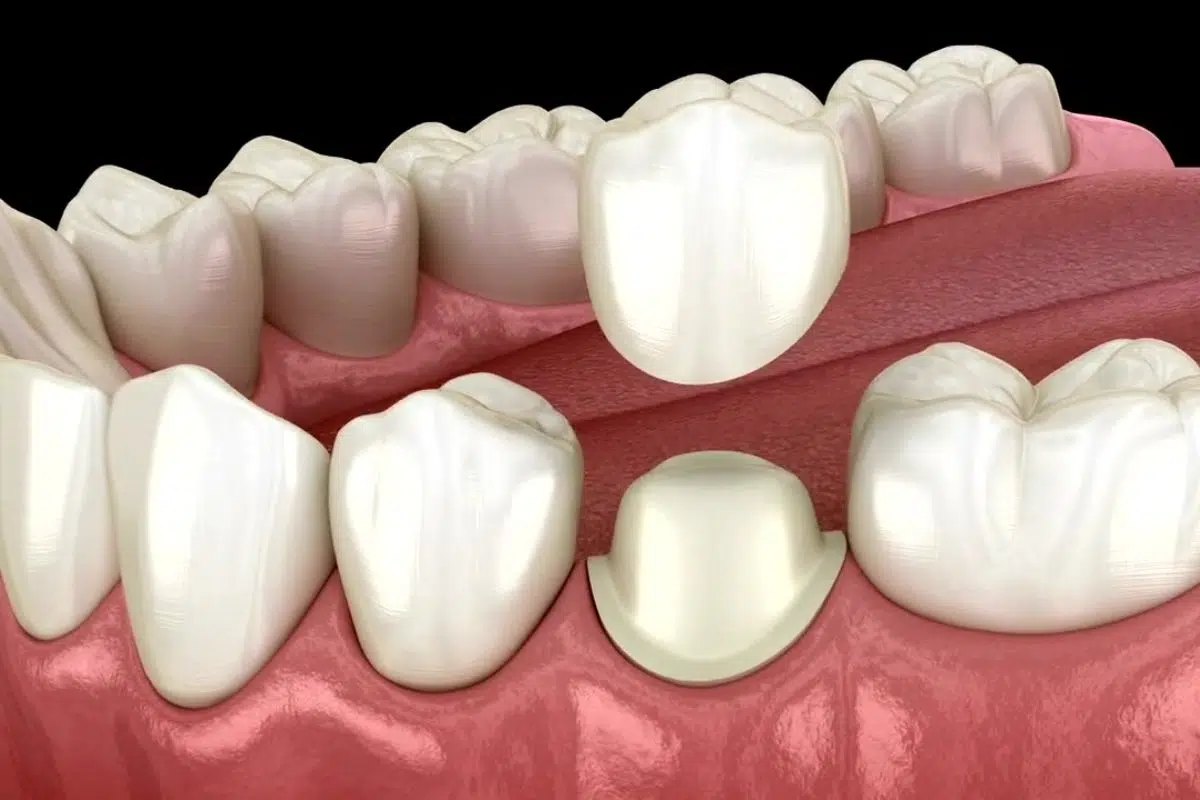
Dental crowns and bridges are both key components of restorative dentistry. While they enhance oral function and aesthetics, they serve different purposes. But what if you’ve already had a cap placed—can you still get a dental bridge afterward? Let’s explore how these two treatments work together and if combining them for optimal results is possible.
How Do Dental Crowns Support Your Oral Health?
Dental crowns serve as protective shields, effectively concealing and reinforcing teeth that have suffered damage or decay. Made from materials like porcelain, ceramic, or metal, these caps mimic the natural tooth’s color and durability. Dentists often recommend these restorative treatments after root canals or large fillings to reinforce the tooth structure.
Tooth coverings play a crucial role in oral health by:
- Protecting weakened teeth from breaking.
- Restoring chewing function and natural bite alignment.
- Enhancing the appearance of damaged or discolored teeth.
With proper care dental crowns can last over a decade, providing a reliable solution for maintaining oral function.
Understanding Dental Bridges and Their Role
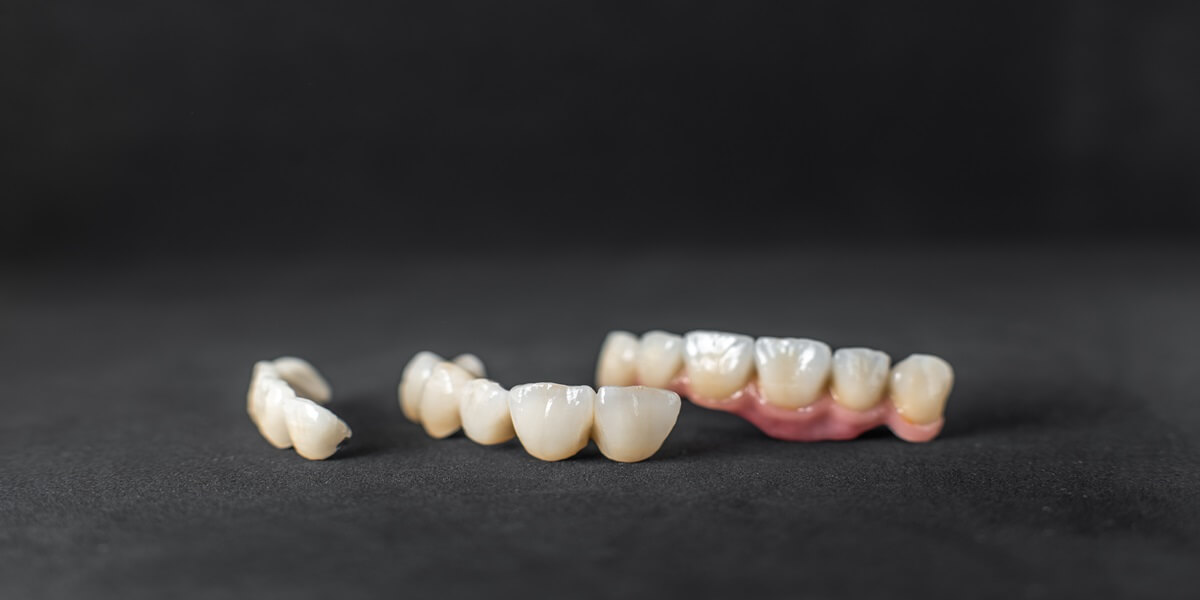
Bridges offer a comprehensive solution for tooth replacement, utilizing neighboring natural teeth or implants as sturdy anchoring points. These restorations maintain oral functionality, prevent teeth from shifting, and improve aesthetics. They are often supported by crowned teeth on either side of the gap, known as abutments.

The key benefits of getting bridges include:
- Restoring your smile and facial structure.
- Improving chewing and speaking ability.
- Preventing neighboring teeth from shifting into gaps.
Is It Safe to Place a Dental Bridge After a Crown?
Yes, a dental bridge or pontic can be placed after a cap, but this depends on several factors. The crowned tooth must be healthy and strong enough to support the bridge. Your dentist carefully evaluates the condition of the existing tooth covering before recommending a bridge.
Tooth covers already in place can sometimes act as abutments for dental prosthetics, but modifications may be necessary. The dentist assesses the fit and integrity of the cap to ensure it withstands the additional pressure from the bridge.
When Dentists Recommend a Bridge After a Crown?
Dentists may suggest placing a bridge after a dental cover in these situations:
- To Replace a Missing Adjacent Tooth: If a tooth adjacent to a crowned tooth is missing, the existing cap can anchor a dental bridge.
- If the Cap is in Good Condition: The tooth covering must be structurally sound and securely bonded to act as a support for the bridge.
- When Implant Placement isn’t Possible: In cases where dental implants aren’t viable due to insufficient bone density or other health concerns, bridges become a suitable alternative.
- For Cost-Effective Restoration: A pontic using an existing cap can be more affordable than opting for a new implant or additional procedures.
How Dentists Ensure Positive Outcomes?
To achieve the best results, dentists take these steps when combining tooth bridges and crowns:
- Detailed Evaluation: The practitioner examines the crowned tooth and surrounding teeth using X-rays and clinical evaluations to determine their suitability for a bridge.
- Cap Modification (If Necessary): If adjustments are needed, the dentist may reshape the crown to ensure a proper fit with the bridge.
- Accurate Impressions and Fittings: Impressions are taken to design a bridge that aligns seamlessly with the coverings and other supporting teeth.
- Proper Bonding Techniques: Dentists use advanced bonding materials and methods to ensure the bridges and tooth coverings remain securely attached and functional.
Tips for Long-Term Success with Crowns and Bridges
To maximize the lifespan of caps and bridges, follow these oral care tips:
- Maintain Good Oral Hygiene: Brush twice daily, floss carefully around the crown and bridge, and use interdental brushes to remove debris.
- Avoid Chewing Hard Objects: Try not to bite ice, pens, or other hard objects that could damage the restoration.
- Wear a Night Guard (If Needed): If you grind your teeth, a night guard can prevent excessive pressure on the dental cover and bridge.
- Regular Dental Checkups: Routine consultations with your dentist ensure your restorations remain in excellent condition and detect any issues early.
A dental bridge often follows a cap, offering a practical solution to replace missing teeth. Dentists carefully assess the condition of the crowned tooth to determine its suitability as a support for the bridge. With proper care and professional guidance, combining a tooth cap and a bridge can restore your oral functionality and confidence.
If you’re considering a dental bridge after a crown, visit your dentist for a thorough evaluation. Their expertise ensures the best outcomes, helping you enjoy a healthy and complete smile.


New Patients Appointment Welcome!