



Missing teeth are more than just a cosmetic concern. They can impact your ability to chew, speak clearly, and even affect your confidence. If you’ve been thinking about dental implants as a solution, you’re probably wondering: “how long is the whole process?“
It’s completely normal to have questions about the time commitment when thinking about implants. It’s not a simple fix, it’s a long-term solution.
If you are considering dental implants for one or multiple missing teeth, and wondering about the timeline, in this article we’ll walk you through different stages involved in the implant procedure.
The Different Stages of the Dental Implant Process
Dental implants is a multi-step process that typically spans several months. The stages of the entire procedure follow:
Consultation and Treatment Planning (1-2 weeks)
The journey to dental implants begins with a consultation. When you first visit our Reno dental office, we take the time to get to know your oral health history, conduct a thorough exam, and take X-rays to assess the condition of your jawbone. Based on this, we’ll create a personalized treatment plan.
The consultation is essential to ensure that you’re a good candidate for dental implants. If there are any existing issues like gum disease or insufficient bone density, we may need to address those before moving forward with the implant.
Implant Placement (1 Day)
Once your treatment plan is ready and you’re clear to move ahead, the next step is the implant placement itself. This procedure usually takes about 1 to 2 hours, depending on the number of implants being placed.
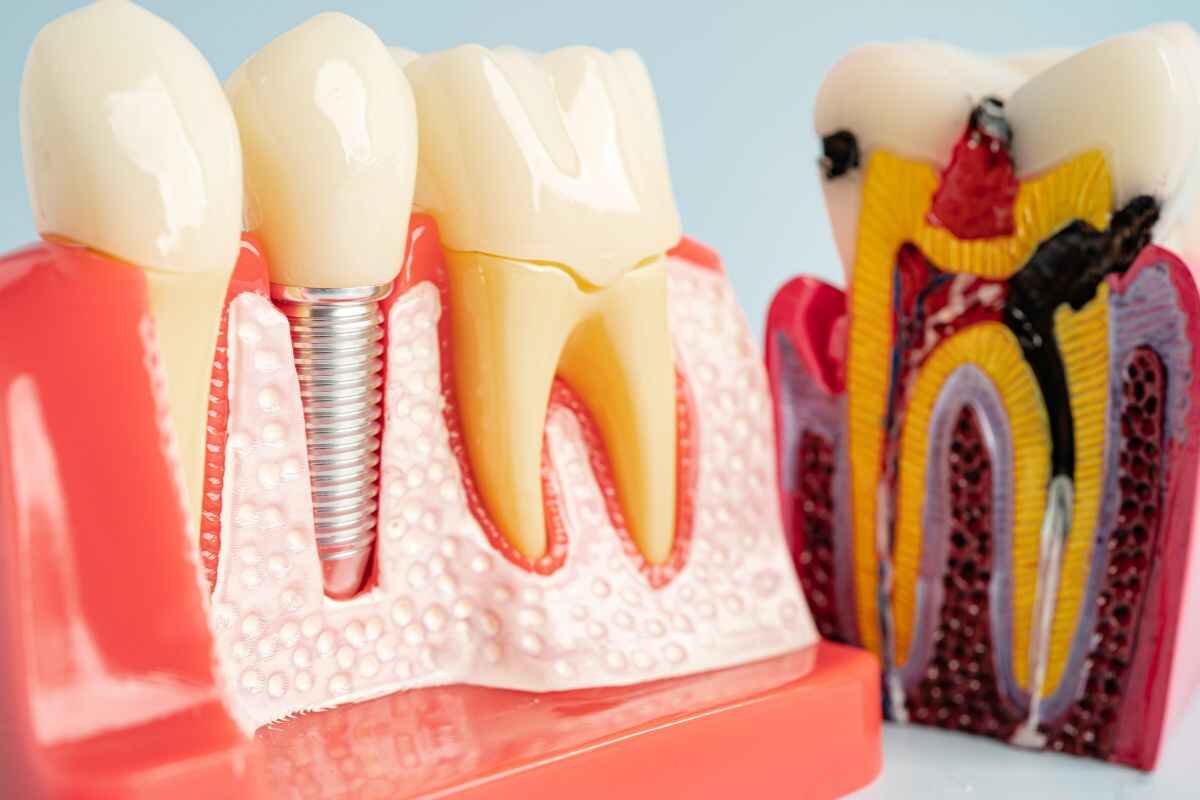
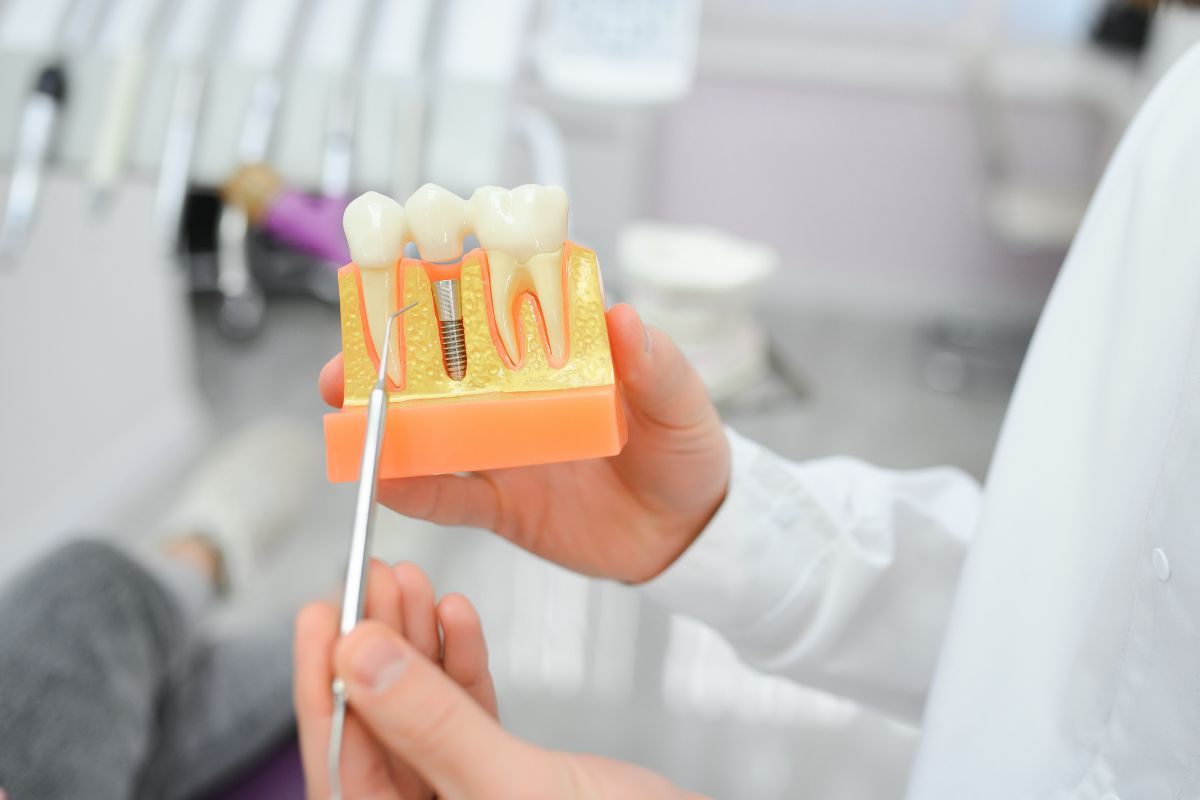
During this procedure, we’ll place the titanium implant into your jawbone. This small post serves as the root for your new tooth. We use local anesthesia to make sure you’re comfortable and pain-free throughout the process.
Healing and Osseointegration (3-6 months)
After the implant is placed, the next and most important phase is healing. This is where the implant fuses with your jawbone in a process called osseointegration. This stage can take anywhere from 3 to 6 months. It’s crucial because the fusion makes the implant a strong and permanent part of your mouth, providing a solid foundation for your final crown.
During this time, it’s important to follow all aftercare instructions to help ensure that the healing process goes smoothly. Regular check-ups will also be scheduled to monitor the progress.
Abutment Placement and Crown Fitting (2-4 weeks)
Once the implant has fully integrated with the bone, we’ll move on to placing the abutment, which is a connector piece that attaches to the implant and holds the custom-made crown. The abutment placement is a quick procedure that generally takes one appointment.
After the abutment is in place, we’ll take impressions of your mouth to create a custom crown that perfectly fits and matches your natural teeth. This can take about 2-4 weeks, depending on how quickly your dental lab completes the work. Once your crown is ready, we’ll fit it to ensure it looks and feels just right.
Factors That Can Impact the Implant Duration
While the process generally follows the timeline above, some factors can affect the duration:
Oral Health
If you have existing oral health issues like gum disease or insufficient bone density, we may need to address those before proceeding with the implant. This can add time to the process, as you may need additional treatments like bone grafting to strengthen your jawbone.
Number of Implants
If you’re getting multiple implants, such as in the case of full-arch restoration, it may take longer than if you’re just getting one or two implants. Multiple implants may also require extra planning and coordination.
Health and Lifestyle
Overall health plays a role in healing time. Patients who are in good general health tend to recover faster. Smoking, for example, can slow down the healing process, as it affects blood flow and bone regeneration. It’s important to follow your dentist’s advice and lifestyle recommendations to ensure the process goes as smoothly as possible.
For a single tooth implant, the timeline may be quicker compared to a full-mouth restoration, which involves multiple implants and additional planning. All-on-4 implants, a popular full-arch solution, may also have a slightly different timeline compared to traditional implants.
What Happens After the Implants Are Placed?
After the implants are in place, there are a few things you need to know about the recovery period. Swelling, bruising, and mild discomfort are common after the surgery, but they usually subside within a couple of days. We’ll provide you with instructions for follow up care to help speed up recovery and prevent infection.
We’ll schedule follow up visits to monitor healing and check that everything is progressing as expected. Once the implant is fully integrated, we’ll place the crown to restore your smile you’ve been waiting for.
Have Questions? Schedule Your Implant Consultation Today!
At Andresen Prosthodontics, we understand that the dental implant process can feel like a big commitment.
If you’re ready to learn more about dental implants, fill out the form to schedule a consultation. Our experienced dentists will answer all your questions, and make sure you feel comfortable at every stage during the procedure.

New Patients Appointment Welcome!