



Are you tired of dealing with gaps in your smile or struggling with dentures that just do not feel secure? Tooth implants might be the right choice to overcome the limitations of temporary prosthetic solutions. These biocompatible posts are designed to restore the appearance and function of natural teeth.
For many people, they provide a more stable and longer-lasting alternative to other tooth restoration options. However, not everyone is an ideal candidate to undergo implant surgery. Continue scrolling down to explore who might qualify for dental implants and what conditions support a successful outcome.
What Are Dental Implants?
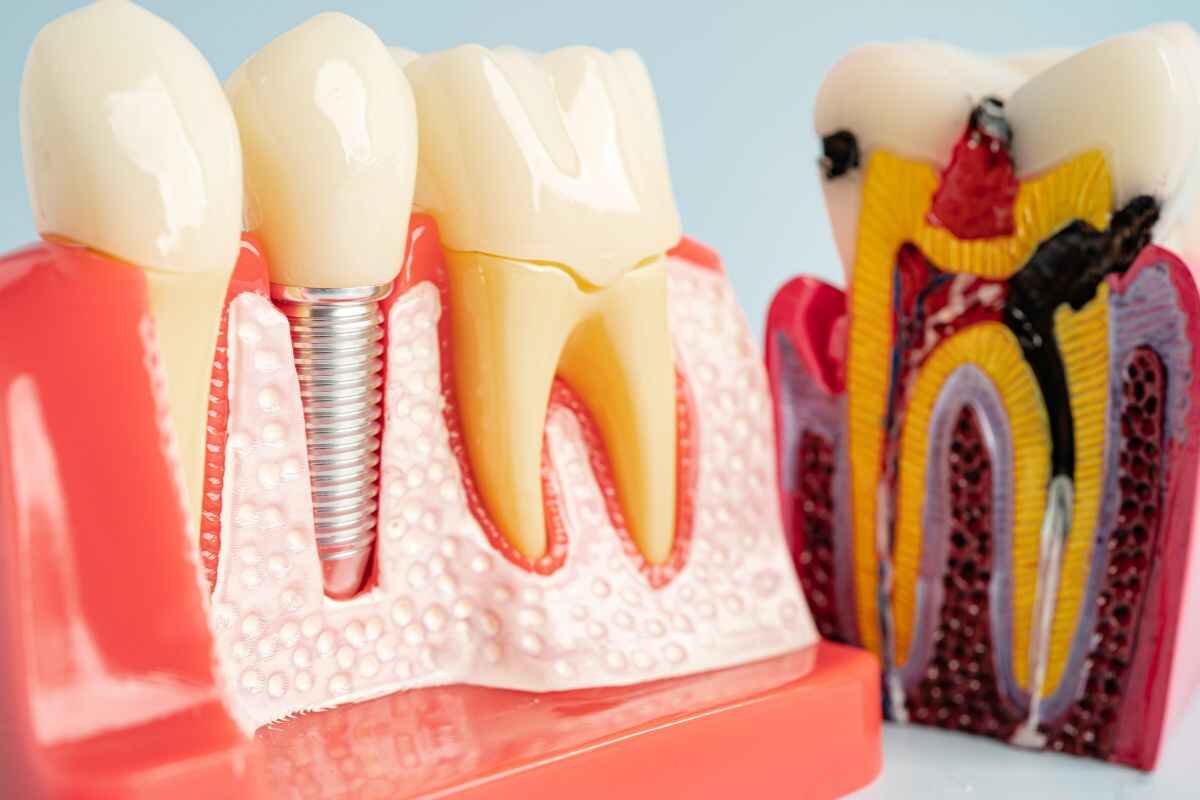
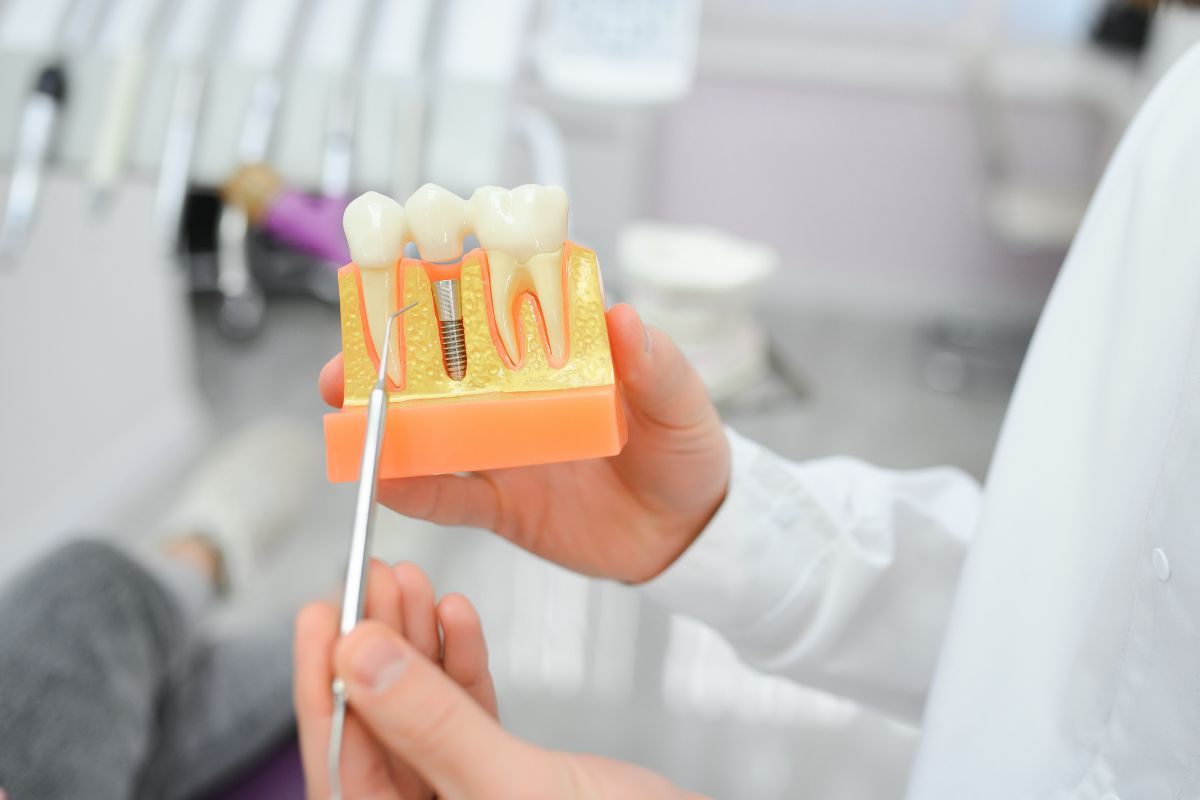
Implants are dental-grade artificial roots that are placed into the jawbone where teeth are missing. The bone bonds with the implant post to create a secure foundation for attaching crowns, bridges, or other custom-made restorations. The outcome feels, looks, and functions much like a real tooth.
Unlike dentures that sit on the gums or bridges that depend on nearby teeth, this option is a standalone solution. Getting implants helps preserve jawbone health, which often deteriorates when teeth are missing for a prolonged period.
The process involves making small incisions in the gums to expose the bone for attaching artificial tooth roots. Through osseointegration, this bonding becomes stronger, enabling you to perform routine activities such as chewing, eating, and smiling with comfort.
What Makes You a Good Candidate for Dental Implants?
The ideal candidate usually meets several health and lifestyle criteria, which allow them to receive dental implants. Let’s explore them one by one:
Overall Health
A healthy body plays a vital role in recovery and long-term success with prosthetic teeth. People with chronic conditions such as uncontrolled diabetes or autoimmune disorders may face challenges during the healing phase after surgery. However, if those conditions are well-managed, you might be a good fit for artificial teeth. Trust your dentist to evaluate your oral health before proceeding with prostheses and to manage any complications that may arise.
Jawbone Strength
The strength and volume of your jawbone are critical in determining your candidacy for implants. Since the biocompatible post must fuse with the bone, your jawbone should have enough density for it to hold securely. If you have had missing teeth for a long time, expect significant bone loss over the years.
However, there’s no need to worry about losing your eligibility for an implant placement. Your practitioner may recommend additional procedures, such as bone grafting, to prepare the site for supporting prosthetic roots.
Healthy Gums
The foundation for any dental restoration is a healthy mouth, which also includes your gums. Active periodontal disease can compromise the outcome and may lead to infection or even prosthetic failure. If you have signs of gum inflammation or bleeding, your dentist may recommend treatment before proceeding with any surgery.
Tooth Loss or Damage
This option is beneficial for individuals who are missing one or more teeth. Many people with damaged teeth that are no longer repairable can opt for dental implants. Rather than undergoing repeated repairs or living with an incomplete smile, many find dental prostheses offer a more permanent fix.
Non-Smoker or Willing to Quit
Smoking can interfere with the healing and integration process, affecting the durability and performance of artificial teeth. Excessive use of nicotine reduces blood flow to the tissues, which is essential during the recovery phase. If you are a smoker, quitting or reducing your tobacco use can ensure implant success and support your oral health.
Essential Considerations for Implant Candidacy
Beyond the basic requirements, there are a few things to think about when considering prostheses for replacing lost teeth.
Age and Growth: Most dentists recommend waiting for implant surgery until jaw growth is complete. Many younger individuals are often advised not to opt for prosthetic teeth until they are in their late teens or early adulthood.
Medical History: Undergoing any radiation therapy to the head or neck area may influence an individual’s candidacy for artificial teeth. This is something that needs to be carefully discussed with your dentist.
Commitment to Oral Care: Once the titanium roots are placed inside the jawbone, you must maintain excellent oral hygiene. This includes regular brushing, flossing, and routine dental visits to ensure optimal health for implants and the surrounding tissues.
How Do You Know If You Qualify for Implant Surgery?
If you can relate to any of the above-discussed conditions, you might already be a good candidate for dental implants. Many people with missing teeth, dental trauma, or loose dentures rely on replacement teeth to restore their smile and confidence. To know if you are eligible for implant surgery, undergo a complete evaluation of your teeth and gums. The assessment is often conducted using X-rays, dental scans, and a comprehensive review of your oral health history.
Your dentist evaluates everything from the state of your jawbone to your lifestyle habits and daily oral care routine. These details help determine if your jawbone is perfect for the surgical insertion of artificial tooth roots without causing complications.
Visit Our Dental Office for An Implant Consultation in Reno
Implants are a modern solution to addressing missing or damaged teeth that many people face. They offer an option that looks like natural teeth, functions well, and can last for years with proper care. While prosthetics are not suitable for everyone, numerous patients can benefit if they meet the necessary health and other criteria.
If you have been exploring ways to combat the issue of tooth loss, it’s time to consider dental implants. A thorough evaluation can help determine whether your smile and oral health can benefit from permanent restoration. Book an appointment online to schedule your visit to Andresen Prosthodontics and explore your eligibility for replacement teeth.

New Patients Appointment Welcome!