


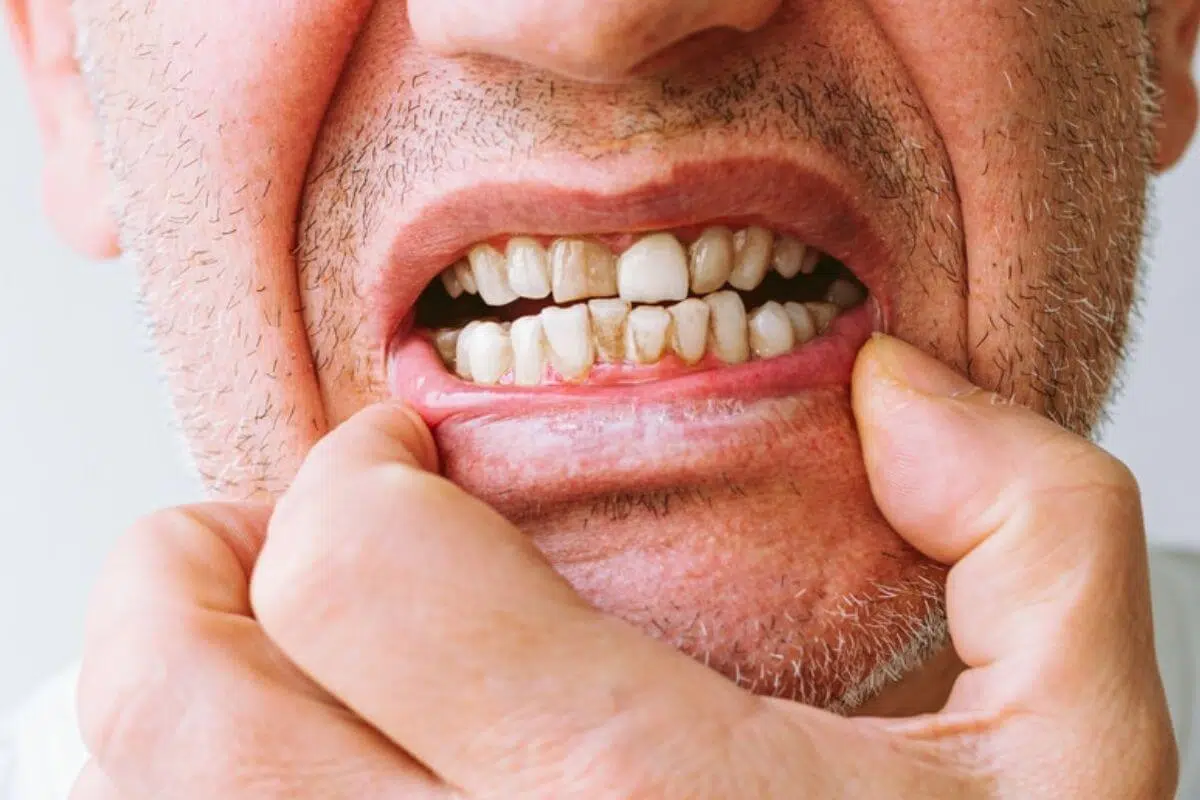
If you use tobacco regularly—whether it’s smoking, chewing, or vaping—you may have noticed subtle changes in your mouth that are easy to overlook. Your gums might feel a little more sensitive than usual, or maybe they bleed when you floss. The signs of tobacco-related gum damage can include a higher risk of gum disease, which may not present with typical bleeding or redness. You might also notice the development of deep gum pockets, receding gums, increased tooth sensitivity, or even tooth loss.
In this blog, we’ll look at the common signs that your gums are being affected by tobacco, how it impacts your oral health over time, and what you can do to prevent long-term complications.
Why Tobacco Is So Harmful to Gums
Tobacco doesn’t just introduce harmful chemicals into your mouth; it also changes how your gums respond to bacteria, injury, and infection.
Hidden Symptoms: Tobacco use can hide the early warning signs of gum disease. It limits blood flow to the gum tissue, which means redness, swelling, or bleeding may not show up as clearly.
Dry Mouth: Tobacco also reduces saliva production that helps rinse away food particles and bacteria and keeps the mouth’s pH balanced. When your mouth stays dry, harmful bacteria are more likely to stick to your teeth and gums, speeding up plaque buildup and irritation.
Slower Healing: Tobacco interferes with your body’s natural healing process. Whether you’re recovering from a routine cleaning or a more involved procedure like implant surgery, healing takes longer and carries a higher risk of complications.
Common Signs of Gum Damage from Tobacco
1. Gums That Bleed Easily
Smoking or using chewing tobacco reduces the body’s ability to fight off bacteria, which means plaque builds up more quickly along the gumline. This can lead to gingivitis, the earliest stage of gum disease.
You might notice your gums feel sore when brushing, or you may see blood after flossing.
2. Gums That Appear Pale or Discolored
Healthy gums should look pink and firm. If you use tobacco, you may start to notice your gums look more pale or grayish in color. This change happens because tobacco reduces blood flow to the tissues in your mouth. Without good circulation, your gums may not get the oxygen and nutrients they need to stay healthy.
In some cases, the discoloration might even look like dark spots or patches. These changes aren’t always painful, but they are a sign that the gum tissue isn’t functioning like it should.
3. Persistent Bad Breath or Unpleasant Taste
Tobacco leaves a strong scent on your breath, but it can also contribute to chronic bad breath that doesn’t go away with brushing or mouthwash. This happens because tobacco encourages the growth of harmful bacteria, especially under the gumline.
If you find yourself constantly dealing with bad breath or a strange taste in your mouth, it might be a sign of infection or gum disease.
4. Gum Recession
One of the more serious signs of tobacco-related gum damage is recession. This happens when the gums start to pull away from the teeth, exposing more of the root. You might not feel pain right away, but over time, the exposed roots can become sensitive and prone to decay.
Teeth may start to appear longer than they used to, and small gaps can form where the gums once fit snugly. Receding gums can eventually lead to tooth mobility or even tooth loss if not treated.
5. Slower Healing After Dental Procedures
Tobacco use affects how your body heals, including inside your mouth. If you’ve had a recent cleaning, extraction, or any other dental work, the healing process may delay due to tobacco.
The chemicals in tobacco slow down blood flow and impair your immune response. This not only delays healing but also increases your risk of infection, especially in the gums.
6. Development of Deep Gum Pockets
As gum disease worsens, the tissue begins to detach from the teeth, forming pockets between the tooth and gum. These pockets trap bacteria, plaque, and food debris, leading to even more inflammation and damage. Tobacco use increases the risk of deep gum pockets forming by weakening your body’s immune defenses and interfering with healing.
What to Do if You Notice These Signs
- Pay attention to changes: Bleeding when brushing, gum tenderness, or teeth that appear longer than usual are all signs worth acting on.
- Keep up with gentle oral care: Brush twice a day using a soft-bristled toothbrush and floss carefully to avoid further irritating your gums.
- Stay consistent with dental visits: Regular professional cleanings help remove buildup and allow your dentist to track any changes in your gum health.
- Talk to your dentist about tobacco use: Let your dental team know if you smoke or use other tobacco products—they can tailor your care plan to help manage its effects.
- Consider cutting back or quitting: Reducing or stopping tobacco use gives your gums a better chance to heal and lowers your risk for serious complications down the road.
Contact Andresen Prosthodontics in Reno, NV for Expert Gum and Restorative Care
If you’re noticing changes in your gums and you use tobacco, contact us today to schedule an appointment.
Our team at Andresen Prosthodontics in Reno is here to help you stay ahead of gum disease and protect your smile’s long-term health. Whether you need a routine cleaning or are preparing for restorative treatment, we’ll guide you every step of the way.



New Patients Appointment Welcome!