


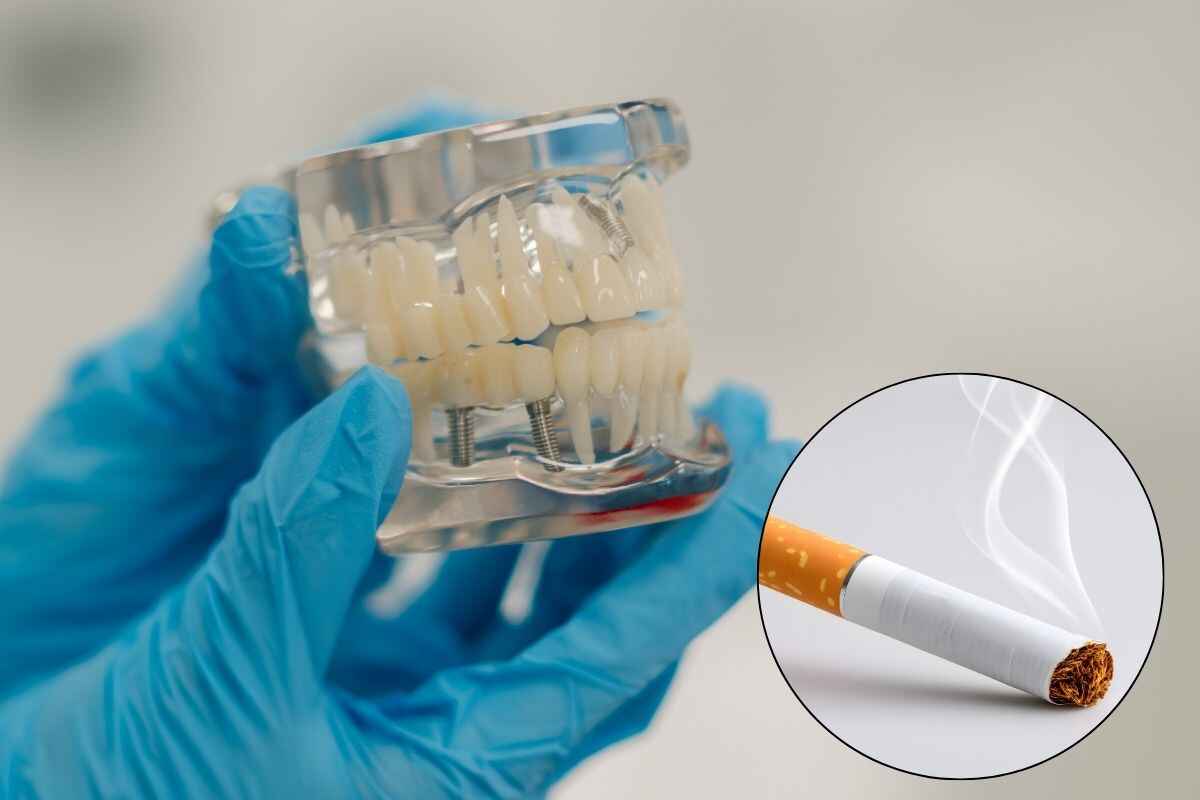
When patients ask why we insist on quitting smoking before dental implant surgery, the answer is simple: your body cannot heal properly while exposed to tobacco. Dental implants rely on healthy bone, strong circulation, and clean oral tissues to fuse securely. Smoking disrupts every one of these systems.
In this article, we explain exactly why quitting before surgery is essential, how smoking undermines implant success, and what you can do to give yourself the best chance at long-term stability.
How Smoking Interferes With Implant Healing
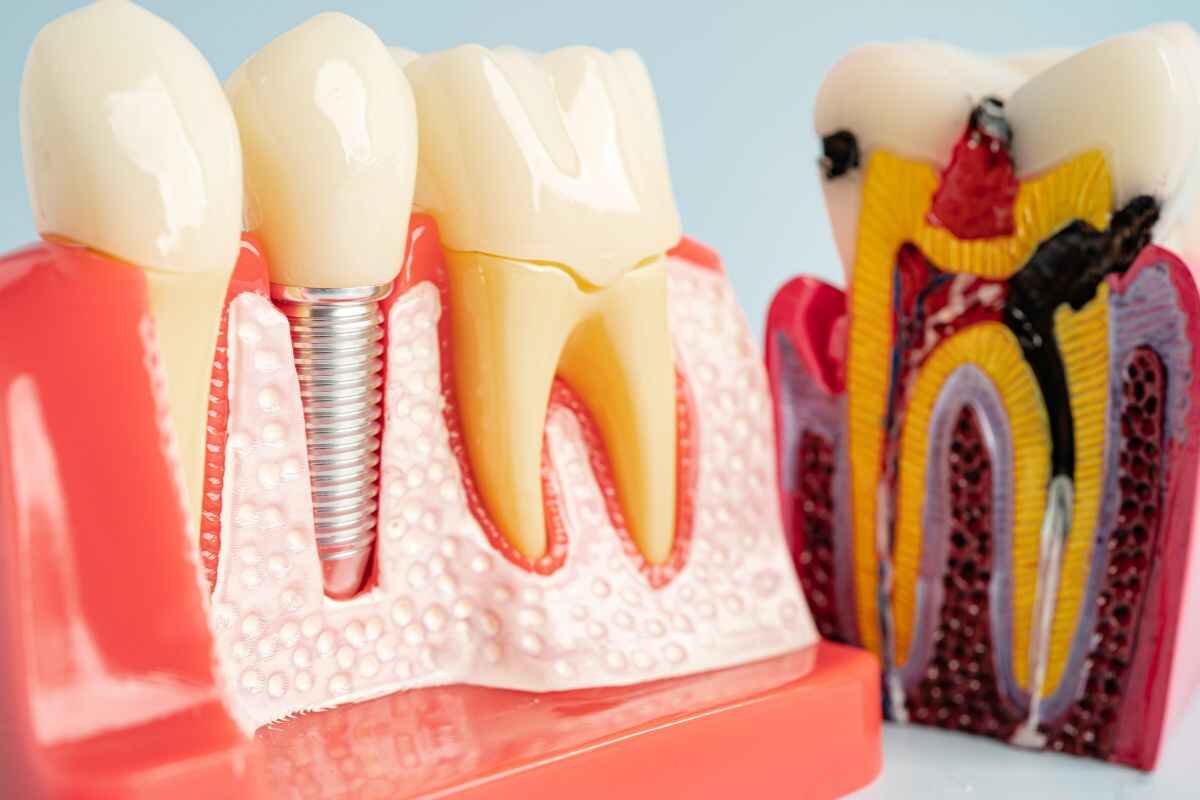
Dental implants depend on a process called osseointegration, where the bone must grow and anchor tightly around the implant. Smoking makes this process harder in several ways:
- It narrows blood vessels and limits oxygen flow.
- It slows the bone’s ability to repair and rebuild.
- It dries out the mouth, increasing irritation and inflammation.
In Reno’s naturally dry climate, these effects are even stronger. The high-desert air already reduces moisture in the mouth, and tobacco compounds magnify that dryness. When the mouth is dry, harmful bacteria multiply more easily, and the tissues supporting the implant become vulnerable.
Peri-Implantitis: A Serious Risk for Smokers
A major concern for smokers is peri-implantitis, a gum and bone infection around the implant. It happens when bacteria settle under the gumline and the body cannot fight them off effectively. Smoking weakens the immune response, so even a small amount of irritation can escalate into an infection.
Peri-implantitis can cause:
- Bone loss
- Persistent swelling around the implant
- Implant loosening
- Complete implant failure
Once bone loss begins, reversal becomes difficult. The treatment can involve surgery, antibiotics, bone grafting or removal of the implant entirely. Preventing peri-implantitis is far easier than treating it, and quitting smoking is the most effective prevention you can control.
Why We Recommend Quitting 6–8 Weeks Before Surgery
We ask patients to stop smoking 6–8 weeks before implant placement because the body needs time to recover:
- Blood flow improves.
- Oxygen reaches the tissues reliably again.
- The immune system becomes more responsive.
- The bone begins to show normal remodeling patterns.
When patients choose our dental implants service and visit us from NorthEast Reno, West Reno, Meadowood Mall area, and Sparks, we see the difference. Those who quit ahead of surgery heal with fewer setbacks and fewer emergency visits. For patients who drive from surrounding towns, smooth healing also prevents repeated, uncomfortable trips back to the office.
Reno’s Outdoor Lifestyle Depends on Good Healing
Many of our patients enjoy the active lifestyle our region offers, like skiing at Mt. Rose, hiking local trails, or spending weekends near the Truckee River. Dental implants healing can affect that lifestyle more than people realize.
Proper healing gives you the strong bite needed to enjoy the food that fuels those activities. After a long day outside, you want to eat without worrying about sore gums or unstable teeth. Smoking works against that stability by weakening the bone and drying the tissues that hold the implant in place.
Local Support to Help You Quit
Quitting smoking isn’t easy, and most patients appreciate having support. The Nevada Quitline offers free tools like coaching, nicotine replacement options, and personal quit plans. Many patients find these resources helpful during the weeks leading up to surgery.
We treat quitting as a necessary part of preparing for implants, not as an extra step. It protects your surgery, your healing, and your long-term comfort.
What Happens If You Continue Smoking?
Continuing to smoke through the implant process puts you at high risk for:
- Delayed healing
- Poor osseointegration
- Peri-implantitis
- Bone loss
- Implant loosening or failure
- Costly re-treatment or implant replacement
For Successful Dental Implants – Contact us
Whether you live in Reno or commute from Sparks or surrounding areas, your success with dental implants depends on the health of your bone and gum tissues.
If you’re planning dental implant treatment, contact us to schedule your evaluation. We’ll guide you through every stage of rebuilding a strong, lasting smile.
Frequently Asked Questions
1. How does smoking affect the success of dental implants?
Smoking reduces blood flow to the gums, slows healing, and increases the risk of infection. These factors significantly raise the chance of implant failure.
2. How long before dental implant surgery should I stop smoking?
Most dentists recommend quitting at least 2–4 weeks before surgery and continuing to refrain from smoking for at least 4–8 weeks afterward to support optimal healing.
3. Can I resume smoking after my dental implants heal?
While possible, it’s not recommended. Ongoing smoking increases the risk of long-term complications such as peri-implantitis, bone loss, and implant failure.
4. What resources can help me quit smoking before implant surgery?
Options include nicotine-replacement therapy, prescription medications, support groups, and stop-smoking programs. Your prosthodontist or primary care provider can guide you toward the best approach.

New Patients Appointment Welcome!