


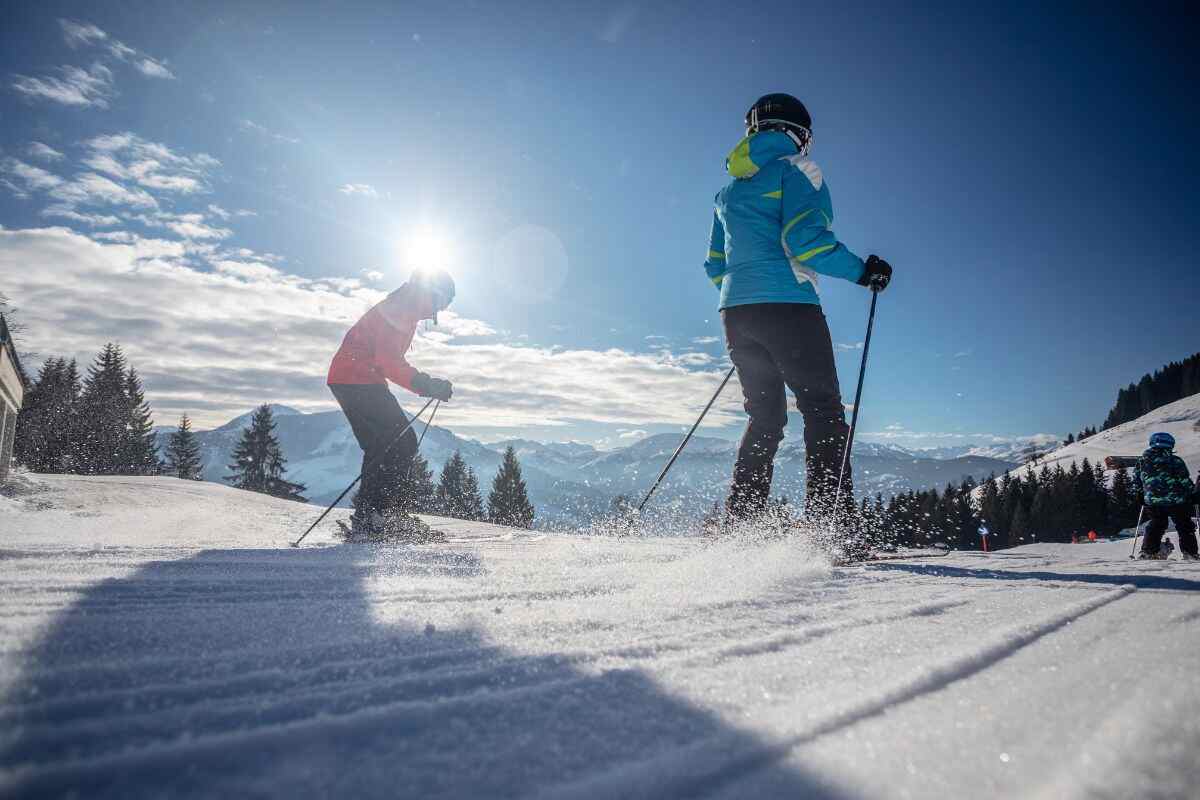
Reno’s outdoor lifestyle is part of what makes living here special. From hiking the Sierra foothills and trail running at elevation to skiing, mountain biking, and long days on the river, many residents spend a good portion of the year outside. While this active way of life benefits overall health, it can place unique demands on oral health that are easy to overlook.
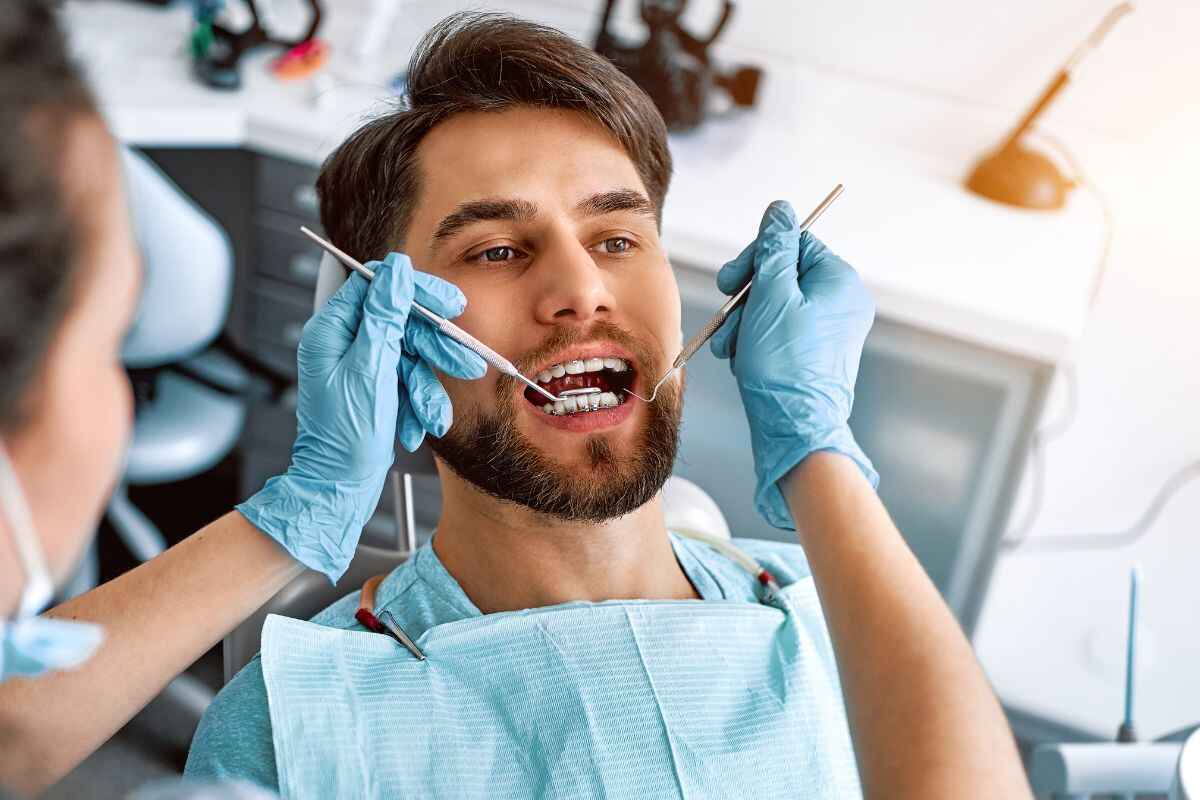
Active lifestyles can mask dental problems until they become painful or disruptive. Regular dental exams help identify early signs of enamel erosion, gum disease, or structural damage before they interfere with training or outdoor plans.

If you notice persistent sensitivity, jaw discomfort, bleeding gums, or changes in how your teeth fit together, we invite you to visit us for an evaluation. At Andresen Prosthodontics, we understand how Reno’s outdoor lifestyle intersects with long-term dental health. Contact us to schedule your appointment and take a proactive approach to your smile
How Reno’s Outdoor Environment Impacts Oral Health
The high desert climate here is dry year-round, and time spent outdoors only amplifies that dryness. Reduced saliva flow is one of the most common dental issues we see in active patients. Saliva plays a key role in neutralizing acids, washing away bacteria, and protecting tooth enamel. When the mouth stays dry for long periods, whether from dehydration, altitude, or heavy breathing during exercise, the risk of cavities and enamel erosion increases.
Higher elevation also matters. Many outdoor enthusiasts breathe more through their mouths while hiking, cycling, or skiing uphill. Mouth breathing dries the oral tissues faster than nasal breathing, creating an environment where bacteria thrive. Over time, this can contribute to gum irritation, bad breath, and a higher likelihood of tooth decay.
Dehydration, Sports Drinks, and Tooth Enamel
Staying hydrated is essential when spending time outdoors in Reno, but the type of hydration matters. Sports drinks and energy beverages are popular among runners, cyclists, and skiers, yet many are acidic and high in sugar. Frequent sipping coats the teeth in acid, softening enamel and making it more vulnerable to wear.
Water should remain the primary source of hydration. If sports drinks are necessary for longer or more intense activities, it helps to:
- Drink them in shorter intervals rather than sipping constantly
- Rinse your mouth with water afterward
- Avoid brushing immediately after acidic drinks, as enamel is temporarily softened
These small habits can significantly reduce enamel erosion over time.
Dental Injuries and Outdoor Activities
Falls, collisions, and unexpected impacts are a reality of outdoor recreation. Chipped teeth, cracked crowns, and jaw injuries are common among cyclists, climbers, skiers, and contact-sport athletes. Even activities that seem low-risk can lead to dental trauma when terrain is uneven or conditions change quickly.
Wearing a properly fitted mouthguard during high-impact or fast-paced activities offers valuable protection. Custom mouthguards provide better comfort and stability than over-the-counter options and are far more likely to stay in place during a fall or collision.
If a tooth is chipped or knocked loose, prompt evaluation matters. Minor damage can worsen if left untreated, especially when exposed to temperature changes and bacteria common in outdoor environments.
Gum Health for Highly Active Individuals
Regular physical activity supports circulation and immune health, but gum tissue can still suffer when oral hygiene routines slip during travel or long days outdoors. Camping trips, early trail starts, and overnight excursions often disrupt normal brushing and flossing habits.
Inflamed or bleeding gums are not just a localized issue, they can affect overall health and recovery. Keeping a compact dental kit with a travel toothbrush, floss, and alcohol-free mouth rinse makes it easier to maintain gum health even on the trail or at a campsite.
Chewing sugar-free gum can also help stimulate saliva flow when brushing isn’t immediately possible.
Tooth Wear, Grinding, and Jaw Stress
Many active individuals clench or grind their teeth without realizing it, especially during physically demanding activities or periods of intense focus. Cold weather sports and strength-based outdoor activities can increase jaw tension, contributing to tooth wear, fractures, and jaw discomfort.
Signs of excessive tooth wear include flattened teeth, sensitivity to temperature, and frequent headaches or jaw soreness. A professionally designed night guard can help protect teeth from long-term damage and reduce stress on the jaw joints.
Nutrition, Recovery, and Oral Health
Outdoor enthusiasts often focus on nutrition for muscle recovery and endurance, but oral health plays a role here too. Frequent snacking on dried fruits, energy bars, and gels exposes teeth to sticky carbohydrates that cling to enamel and feed bacteria.
Balancing these foods with fibrous options like fresh fruits and vegetables, along with thorough cleaning at the end of the day, helps limit cavity risk. Calcium-rich foods and adequate vitamin D intake also support tooth and bone strength, important for those engaging in high-impact sports.
Frequently Asked Questions
1. Are sports drinks harmful to teeth during outdoor activities?
Sports drinks can be harmful when consumed frequently because they are often acidic and high in sugar. Regular exposure weakens tooth enamel and raises the risk of decay. Water should be the primary source of hydration. If sports drinks are needed for endurance activities, rinsing with water afterward and limiting constant sipping can help reduce enamel damage.
2. Should outdoor athletes wear a mouthguard even for non-contact sports?
Yes. Many dental injuries occur during activities that aren’t traditionally considered contact sports, such as cycling, mountain biking, skiing, or hiking on uneven terrain. A properly fitted mouthguard helps protect teeth from fractures, chips, and displacement caused by falls or collisions, making it a smart preventive measure for active individuals.
3. How often should active outdoor enthusiasts see a dentist?
Most people benefit from dental checkups every six months, but highly active individuals may need more frequent evaluations depending on wear, past dental work, or risk of injury. Regular exams allow early detection of enamel wear, gum issues, or damage related to outdoor activity before problems become more complex or disruptive.


New Patients Appointment Welcome!