


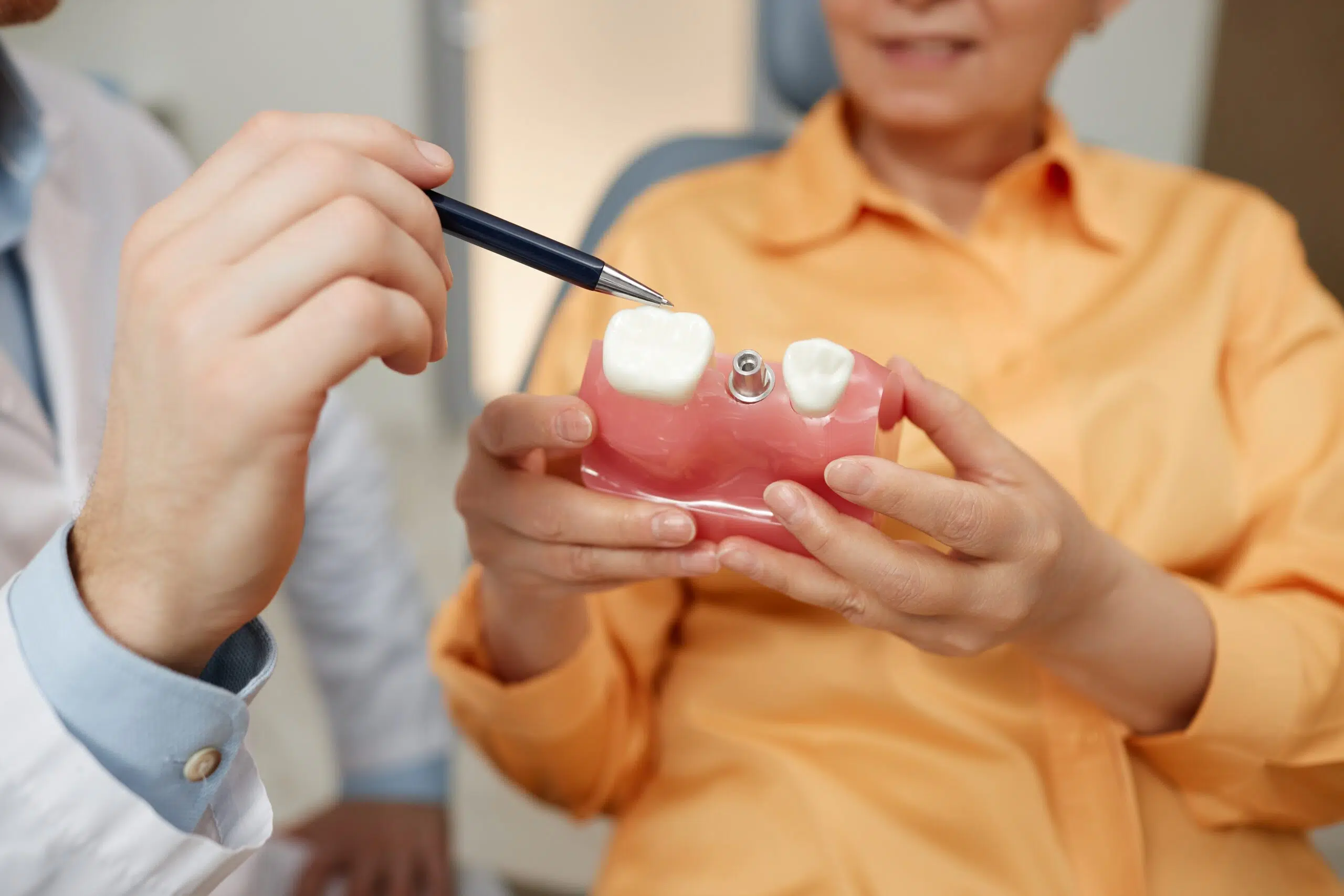
Getting dental implants is a big decision for many people. While the treatment is considered safe and highly successful, patients still worry about possible complications, pain, or healing problems. The good news is that most dental implant issues can be avoided with proper care before and after the procedure.
If you are planning to get a Dental Implant in Reno, understanding the recovery process and knowing what habits to avoid can make a huge difference in your results. From preparing your mouth before surgery to following the right aftercare routine, every step matters when it comes to protecting your new smile.
Why Dental Implant Complications Happen
Dental implants are designed to act like natural tooth roots, but they still need time to heal and bond with the jawbone. Problems usually happen when the area does not heal properly or when patients ignore aftercare instructions.
In some cases, complications may develop because of smoking, poor oral hygiene, untreated gum disease, or underlying medical conditions. Sometimes people go back to eating hard foods too quickly, which can place pressure on the implant before it becomes fully stable.
That’s why dentists always stress the importance of preparation and recovery care.
Preparing for Dental Implant Surgery the Right Way
Choose an Experienced Implant Dentist
The first step toward avoiding complications is choosing the right dental professional. An experienced implant dentist will carefully examine your gums, jawbone, and overall oral health before moving forward with surgery.
If you’re considering a Dental Implant in Reno, look for a clinic that uses digital imaging and creates personalized treatment plans rather than offering the same solution to every patient.
Be Honest About Your Health History
Many patients don’t realize that general health can affect dental implant success. Conditions like diabetes, teeth grinding, autoimmune disorders, or even certain medications may slow down healing.
Your dentist needs accurate information to plan the safest treatment possible and reduce the chances of implant failure.
Stop Smoking Before Surgery
Smoking is one of the most common reasons dental implants fail. Tobacco affects blood circulation and slows down the healing process inside the gums and jawbone.
Patients who quit smoking before surgery usually experience smoother healing and fewer complications afterward.
Treat Existing Dental Problems First
Healthy gums are essential for successful implants. If there is an infection, gum disease, or tooth decay present, your dentist will likely recommend treating those issues first.
This creates a healthier environment for the implant to heal properly.
What to Do After Dental Implant Surgery
Give Your Mouth Time to Heal
One of the biggest mistakes patients make is trying to return to normal activities too quickly. Some swelling and discomfort are completely normal for the first couple of days after surgery.
Your mouth needs time to recover, and resting during the early healing period can help prevent unnecessary irritation around the implant site.
Be Careful With Food Choices
After surgery, soft foods are usually the safest option. Your implant needs time to bond with the jawbone, and chewing hard foods too early can interfere with healing.
Foods like yogurt, soup, smoothies, scrambled eggs, and mashed potatoes are easier on the mouth while recovery takes place.
Maintain Good Oral Hygiene
Some people become afraid to clean around the implant area because they think brushing may damage it. In reality, poor oral hygiene can increase the risk of infection.
Gentle brushing and proper cleaning help keep bacteria away and support healthy healing.
Avoid Smoking and Alcohol During Recovery
Even after surgery, smoking and alcohol can still slow down healing. Dentists often recommend avoiding both for several weeks after treatment to protect the implant during the recovery stage.
Patients recovering from a Dental Implant in Reno procedure are usually advised to follow these instructions carefully to improve long-term success.
Signs Something May Be Wrong
Most patients heal without any major problems, but it’s important to know when to contact your dentist.
Pain that becomes worse instead of better, excessive swelling, bleeding that continues for days, fever, pus, or a loose implant may all be warning signs of infection or healing problems.
Getting treatment early can often prevent more serious complications later.
Long-Term Care for Dental Implants
Dental implants are built to last for many years, but they still require daily care. Brushing twice a day, flossing regularly, and visiting your dentist for checkups can help keep both the implant and surrounding gums healthy.
People sometimes think implants are maintenance-free because they are artificial teeth, but gum health still matters. Healthy habits are what help implants stay stable and natural-looking over time.
Ready to Restore Your Smile?
Dental implants can be a life-changing solution when the procedure is done with the right planning and aftercare. By following your dentist’s recommendations and taking care of your oral health during recovery, you can greatly reduce the chances of complications and enjoy a healthier, more confident smile for years to come.
If you’re thinking about replacing missing teeth, our team is here to guide you through the process and answer any questions you may have. Check out what patients in the Reno area are saying about our clinic, explore our dental services, and schedule your consultation today to take the first step toward a healthier, more confident smile.
FAQs
How long does dental implant healing take?
Most patients recover from the initial surgery within a few days, but full healing inside the jawbone can take several months.
Are dental implant complications common?
Complications are relatively rare when the procedure is done correctly and patients follow aftercare instructions carefully.
Can smoking affect dental implants?
Yes, smoking can slow healing and increase the risk of implant failure because it reduces blood flow to the gums.
What foods should I eat after implant surgery?
Soft foods like soup, yogurt, smoothies, eggs, and mashed potatoes are usually recommended during the early healing period.
How do I know if my dental implant is infected?
Signs of infection may include severe pain, swelling, fever, pus, or a loose implant. Contact your dentist immediately if you notice these symptoms.
Do dental implants require special care?
Dental implants should be cared for just like natural teeth with brushing, flossing, and regular dental checkups.

New Patients Appointment Welcome!