


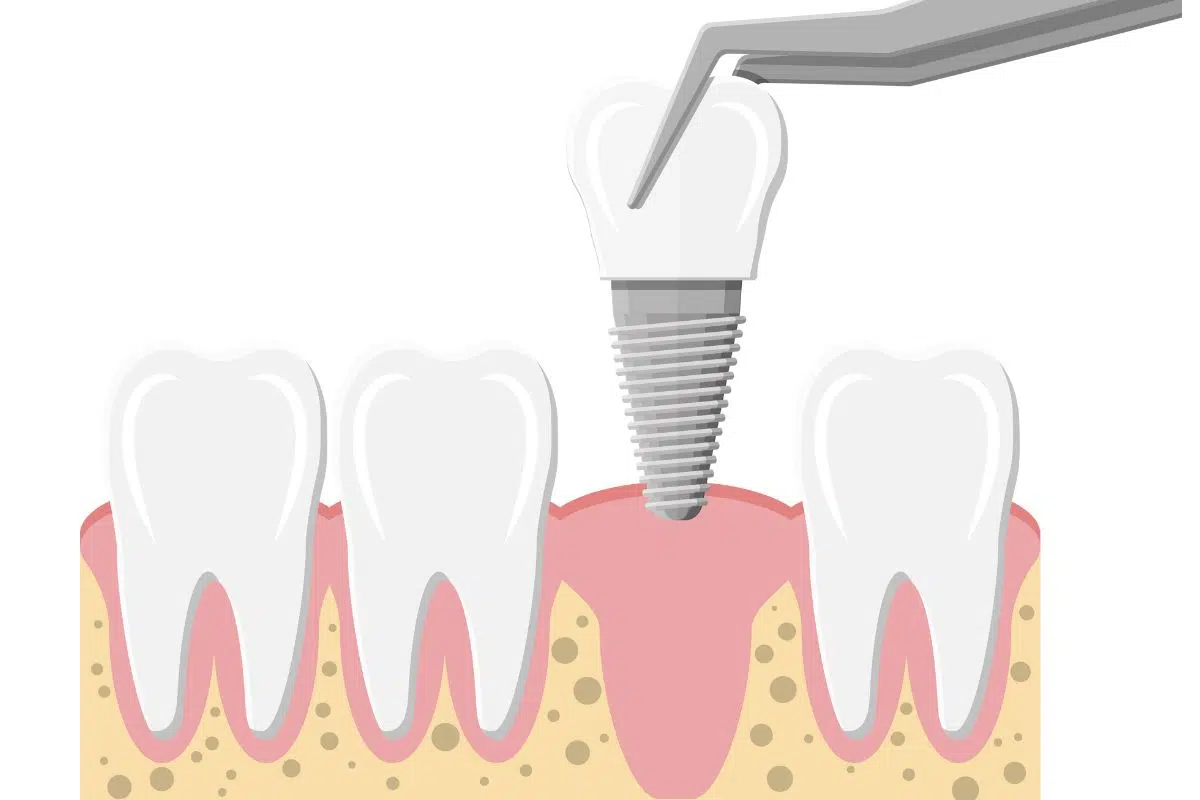
Considering dental implants can bring up many questions, especially when you hear about “bone grafting.” Bone grafting is an important procedure for some patients before they can successfully receive implants. Here, we’ll explain why bone grafting is sometimes necessary, what it involves, and how it can benefit.
What Is Bone Grafting?
Bone grafting is a process used to build up the bone in areas where it has become too thin or weak to support the implant post. The jawbone naturally relies on teeth to maintain its shape and density. When teeth are lost, the bone in that area can shrink over time. Without adequate bone support, the post may not securely bond to the jaw leading to instability.
Why Do Some People Need Bone Grafting?
Bone grafting is only needed for some patients, specifically those with insufficient bone in their jaw. The need for grafting depends on several factors:
- Bone Density: If bone loss has occurred due to gum disease, injury, or tooth loss, grafting might be necessary.
- Extended Time Since Tooth Loss: If a tooth has been missing for a while, the bone may have gradually shrunk.
- Location: The bone structure can vary depending on the location, such as the upper jaw, which sometimes requires a special grafting procedure.
To determine if bone grafting is needed, your dental professional will evaluate the health and density of your jawbone through detailed imaging.
Types of Bone Grafts
If bone grafting is needed, your dentist may recommend one of several types depending on your jaw’s condition and the placement site. Here’s a look at the common types:
- Socket Graft: Placed directly into the socket after a tooth is extracted, a socket graft helps preserve bone in that area and prepare it for an implant later.
- Sinus Lift: If bone loss has occurred in the upper jaw, especially near the back teeth, a sinus lift raises the sinus floor to allow more space for bone material.
- Ridge Augmentation: This procedure restores bone along the jaw ridge to prepare it for the surgery, particularly in cases where the jaw is narrow or has seen significant bone loss.
Each type serves a different purpose and helps ensure a solid foundation for your dental implant.
The Bone Grafting Process
Bone grafting is typically done with local anesthesia to ensure a comfortable experience. Here’s a step-by-step look at what the process entails:
- Graft Placement: Bone material is placed in the area that requires support.
- Healing and Integration: Over the next few months, the graft fuses with the natural bone, creating a strong, stable base for the implant.
The recovery period depends on the graft type and your body’s natural healing process. Dentist will provide specific instructions to follow after the procedure to encourage healing.
Benefits of Bone Grafting for Implants
While bone grafting may add extra steps to the surgical process, it offers substantial long-term benefits:
- Better Support: A solid bone structure gives a strong foundation, which helps improve stability and durability.
- Preservation of Facial Structure: Bone grafting helps maintain the natural shape of your jaw and face, which can be impacted by tooth and bone loss.
- Improved Aesthetics: With sufficient bone, implants align naturally with other teeth, creating a seamless, natural-looking smile.
These benefits make bone grafting a worthwhile investment for many patients, helping ensure that their implants look and function optimally.
Common Questions About Bone Grafting and Dental Implants
- Is bone grafting painful?
The procedure itself is done under anesthesia, so you shouldn’t feel pain during the grafting. Some mild discomfort can occur afterward, but pain management techniques, including over-the-counter medication, will be provided to help.
- How long does bone grafting take to heal?
Healing generally takes several months. During this time, the graft integrates with your existing bone to create a strong foundation. Your dentist will monitor the healing process closely.
- Will I always need bone grafting before an implant?
Not everyone requires bone grafting. Patients with sufficient jawbone density can often proceed without it. A consultation and imaging with your dentist will reveal if grafting is necessary in your case.
How Andresen Prosthodontics Can Help You in Reno
At Andresen Prosthodontics, we’re dedicated to helping patients achieve secure, lasting results with dental implants. If you are considering dental implants in Reno, our team will assess your gum to ensure if your jaw is fully prepared or you might need bone grafting for placement. Our goal is to guide you comfortably through each step, helping you achieve a confident smile that lasts. Contact us today to learn more about your options for dental implants and bone grafting.

New Patients Appointment Welcome!