


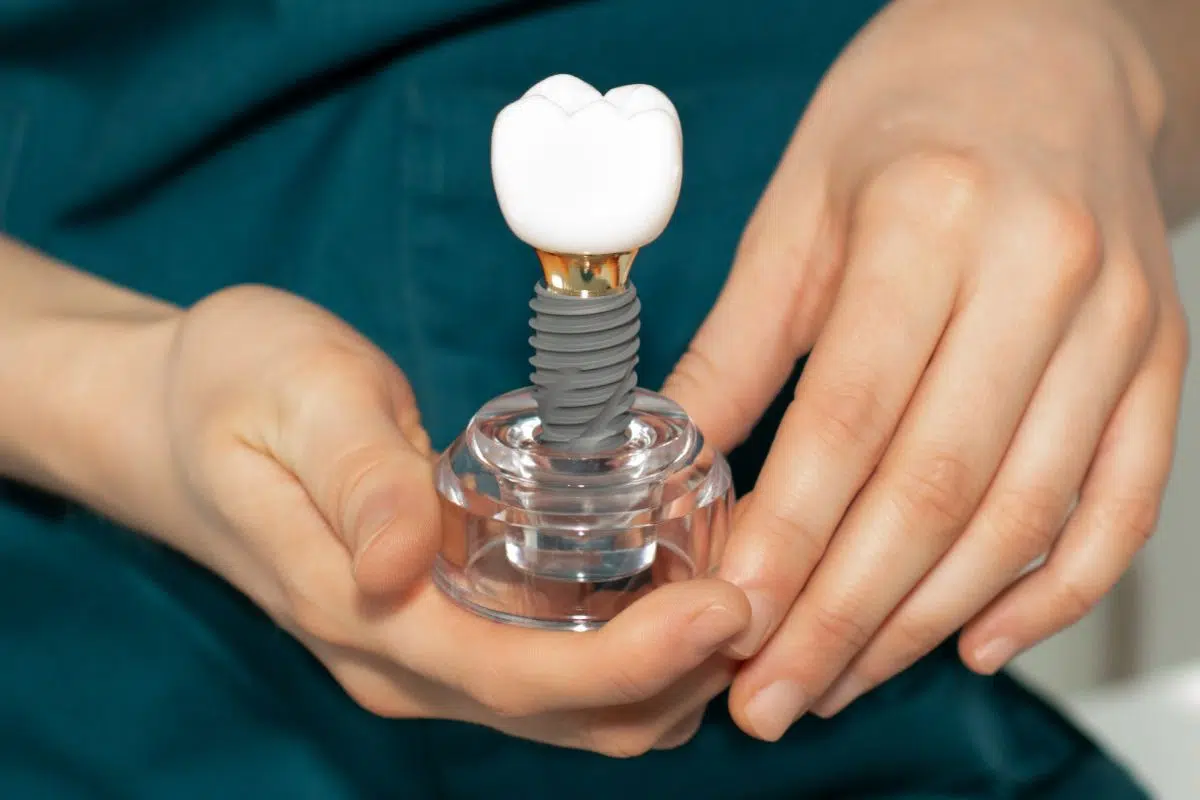
Yes, it’s possible to get dental implants even if you’ve had gum disease, but only after the infection is properly treated. When gum disease is active, it can damage the bone and soft tissues that hold your teeth in place, which are the same structures that support a dental implant. Placing an implant in infected or weakened tissue can lead to complications or implant failure. That’s why your dentist will first need to address the gum infection and ensure your mouth is healthy enough for surgery.
Depending on how advanced the gum disease is, treatment may involve deep cleanings, antibiotic therapy, or in some cases, bone grafting to rebuild lost support. Once your gums are stable and the bone is strong enough, you can move forward confidently with implant placement.
In this blog, we’ll explain how gum disease affects your eligibility for dental implants, what steps are needed before implant placement, and how to protect your new smile for years.
How Gum Disease Impacts Dental Implants
Gum disease, or periodontal disease, is a chronic infection that affects the gums and bone supporting your teeth. In its early stage (gingivitis), it causes mild inflammation and bleeding gums. But when left untreated, it can progress to periodontitis—a more advanced form that breaks down bone and connective tissue.
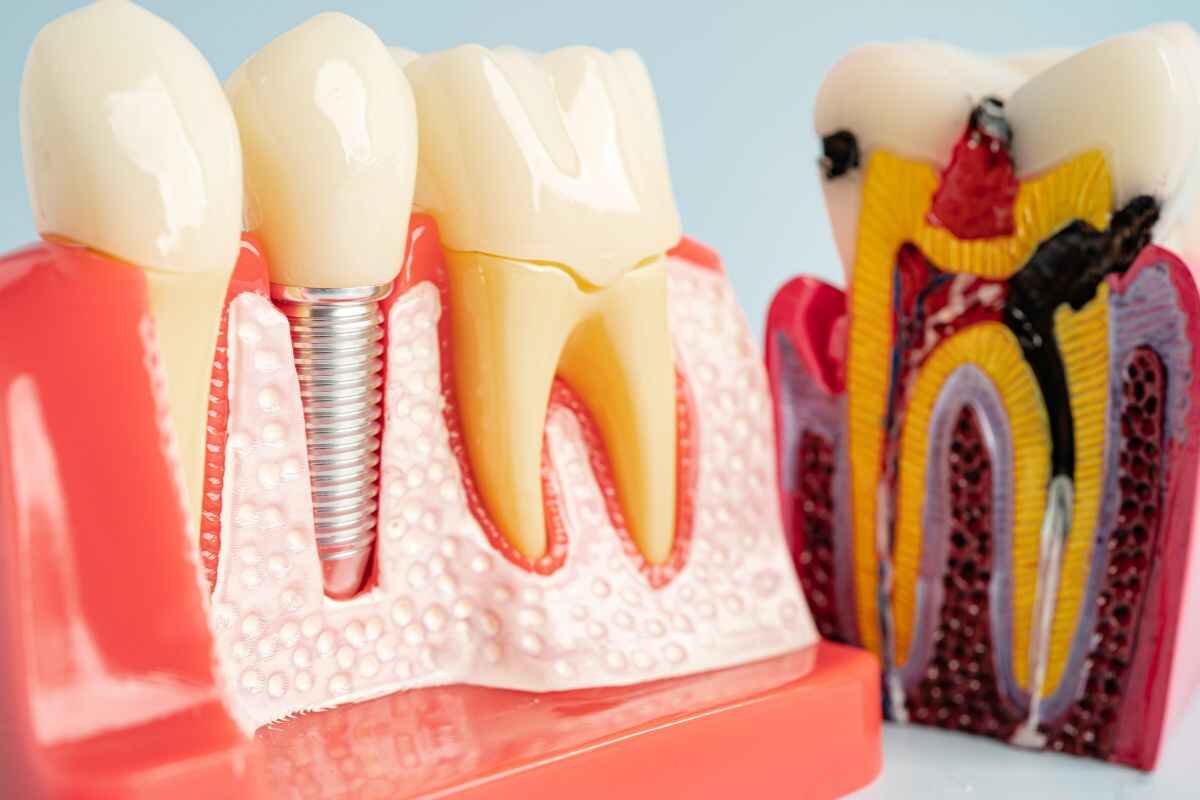
This loss of bone and tissue is what makes gum disease a concern for dental implant treatment. Implants need strong, healthy bones to stay securely anchored. If the surrounding structures are weakened by infection, the implant may not integrate properly, increasing the risk of failure.
Even after implant placement, untreated or recurring gum disease can lead to peri-implantitis, an infection that affects the tissue around the implant, similar to periodontitis around natural teeth.
Steps To Control Gum Disease Before Implants
Before you can safely receive implants, your dentist will focus on eliminating any active gum infection. The process usually involves:
- Comprehensive Evaluation – Your dentist or periodontist will assess your gum health, bone levels, and overall oral condition using X-rays and a clinical exam.
- Professional Treatment – Depending on the severity of the gum disease, treatment may include deep cleaning (scaling and root planing), antibiotic therapy, or periodontal surgery to remove bacteria and promote healing.
- Bone or Tissue Regeneration – If gum disease has caused significant bone loss, bone grafting may be recommended to rebuild the structure needed to support an implant.
- Healing Period – Once your gums are healthy and stable, your dentist will determine when it’s safe to proceed with implant placement.
The Dental Implant Process After Gum Disease Treatment
Once your mouth is free of infection, your dentist can begin planning your implant procedure. This involves several key steps:
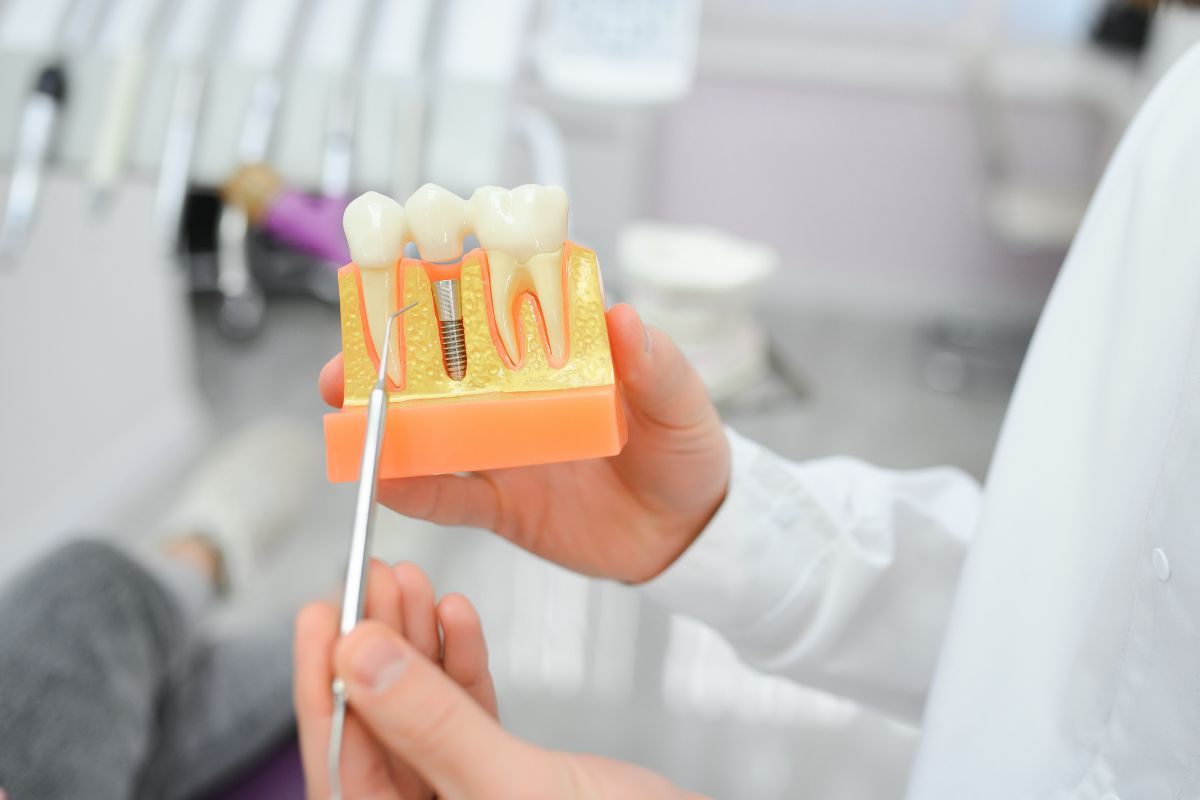
- Implant Placement: A small titanium post is surgically inserted into the jawbone, acting as the root for your new tooth.
- Healing and Osseointegration: Over the next few months, the bone gradually fuses with the implant, creating a secure bond.
- Restoration: Finally, a custom dental crown is attached to complete your natural-looking, functional smile.
Your dentist will closely monitor your healing and provide instructions to help maintain gum and bone health throughout the process.
Maintaining Healthy Gums After Implant Surgery
Good oral hygiene and regular dental visits are key to keeping your implants healthy long-term. Here’s how to protect your investment:
- Brush and floss daily to remove bacteria and plaque around your gums and implants.
- Use an antimicrobial mouthwash to reduce bacteria that can cause inflammation.
- Schedule regular professional cleanings so your dental team can monitor implant health and catch early signs of gum issues.
- Avoid tobacco use, which can slow healing and increase the risk of implant complications.
Restore Your Smile with Confidence at Andresen Prosthodontics
If you have gum disease but are considering dental implants, don’t lose hope. With proper treatment and a healthy foundation, implants can still be a great long-term solution for replacing missing teeth.
At Andresen Prosthodontics, our team specializes in advanced restorative and periodontal care to help you achieve a stable, beautiful smile. We’ll evaluate your gum health, create a personalized treatment plan, and guide you through every step of your implant journey.
Contact us today to schedule a consultation and learn how we can help you rebuild your smile, starting with healthy gums and lasting confidence.
FAQs
1. Can dental implants fail if I have a history of gum disease?
Yes, dental implants can fail if gum disease isn’t properly treated before placement. Active infection or weakened bone and gum tissue can prevent the implant from integrating securely with the jaw, increasing the risk of complications. Treating gum disease first greatly improves the chances of a successful implant.
2. How long should I wait after treating gum disease before getting implants?
The waiting period varies depending on the severity of your gum disease and any additional procedures, such as bone grafting. Your dentist will evaluate healing progress and bone stability before recommending the right time for implant placement. In some cases, it may take several months for your gums and bone to be ready.
3. Can bone grafting help if gum disease has caused bone loss?
Absolutely. Bone grafting is often used to rebuild areas where gum disease has caused bone deterioration. This procedure provides a strong foundation for dental implants, improving both stability and long-term success. Your dentist will determine if grafting is necessary based on imaging and clinical evaluation.
4. How can I protect my implants from gum disease in the future?
Maintaining excellent oral hygiene is essential to prevent gum disease around implants. Brush twice daily, floss carefully, and schedule regular professional cleanings. Avoid tobacco use, manage underlying health conditions, and attend routine dental checkups so your dentist can monitor the health of your implants and surrounding gum tissue.

New Patients Appointment Welcome!