


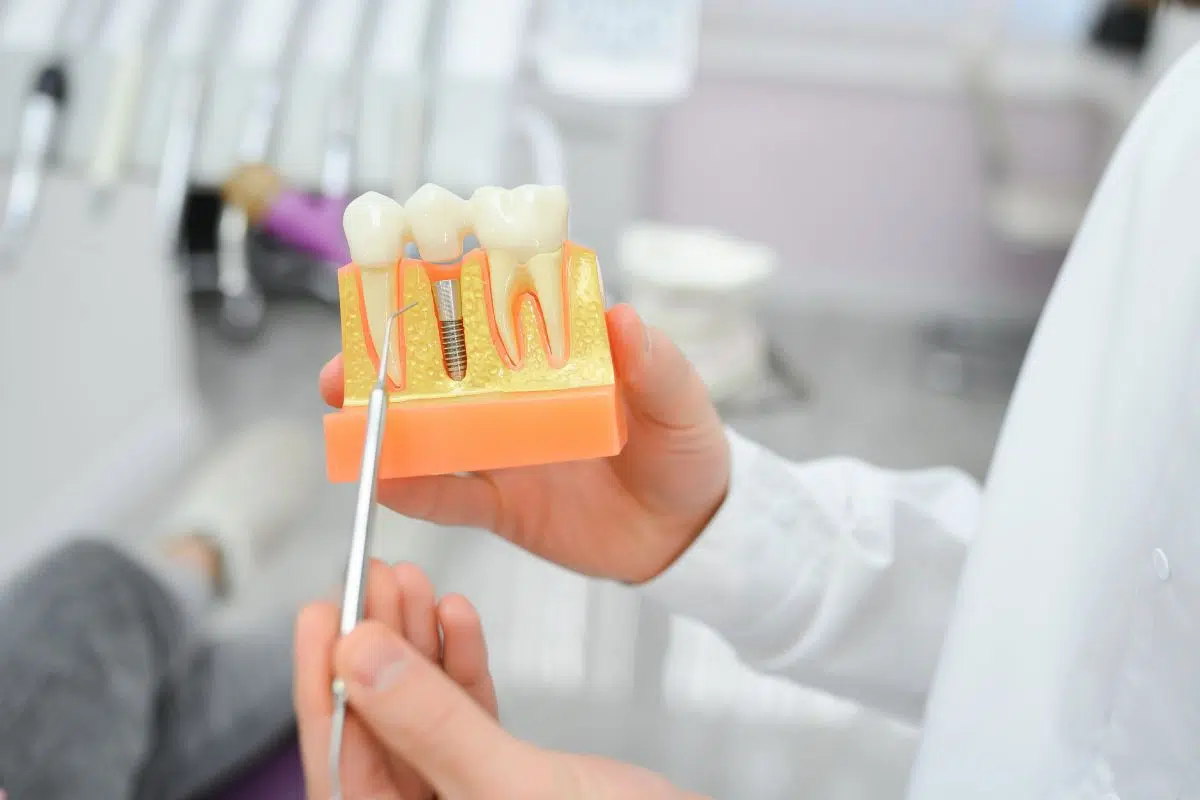
Dental implants can be an excellent solution, but they’re not something to rush into without understanding the full picture. While the placement appointment itself may be straightforward, implants involve multiple stages. First comes a thorough evaluation, followed by implant placement, healing, and finally the restoration (the crown, bridge, or denture that attaches to the implant).
Healing alone can take several months. That time allows the implant to fuse with the jawbone, a biological process called osseointegration. In Reno’s dry, high-desert climate, staying hydrated and following post-surgical care closely matters more than many people expect.
This guide walks through what patients should know before committing to dental implants treatment and the realities of living here in Reno, Northern Nevada.
Dental Implants Considerations
Bone Health Matters More Than Tooth Loss Timing
Whether a tooth was lost recently or years ago, the condition of the jawbone determines whether an implant can be placed safely. Bone loss is common after tooth loss and doesn’t always cause obvious symptoms.
In some cases, bone grafting is needed before implants can be placed. This step helps rebuild support and protects the long-term stability of the implant. Skipping this evaluation can lead to problems later for patients who want a solution that lasts.
Your Overall Health Affects Implant Success
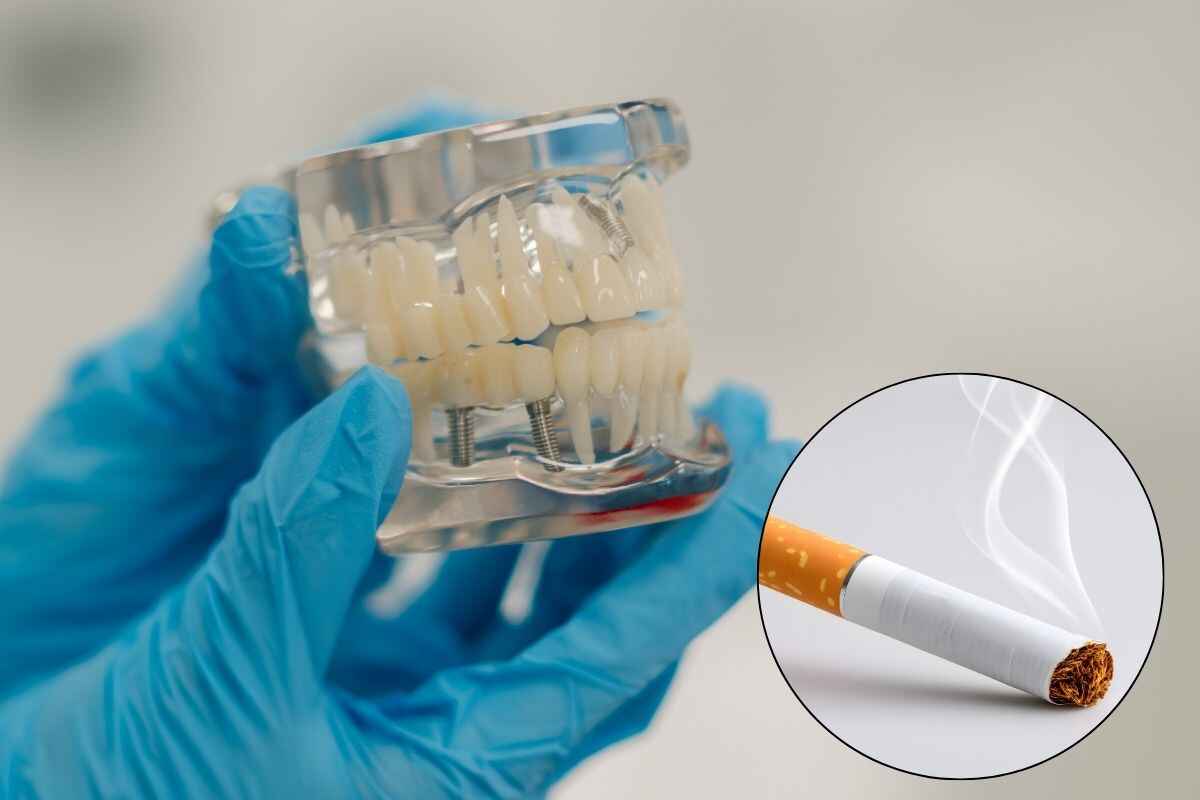
Dental implants rely on your body’s ability to heal and maintain healthy bone and gums. Conditions such as diabetes, autoimmune disorders, or smoking habits can influence outcomes.
Locals around Rancho San Rafael Park or in neighborhoods like Caughlin Ranch often assume they’re ideal candidates and many are. Still, medical history matters. Being upfront about medications, health conditions, and lifestyle habits helps prevent complications and leads to better results.
Not All Dental Implants Are the Same
Every implant case is different. Front teeth require precise positioning for appearance, while back teeth must withstand strong chewing forces, something to think about if you enjoy local dining spots around Midtown or frequent dinners with family.
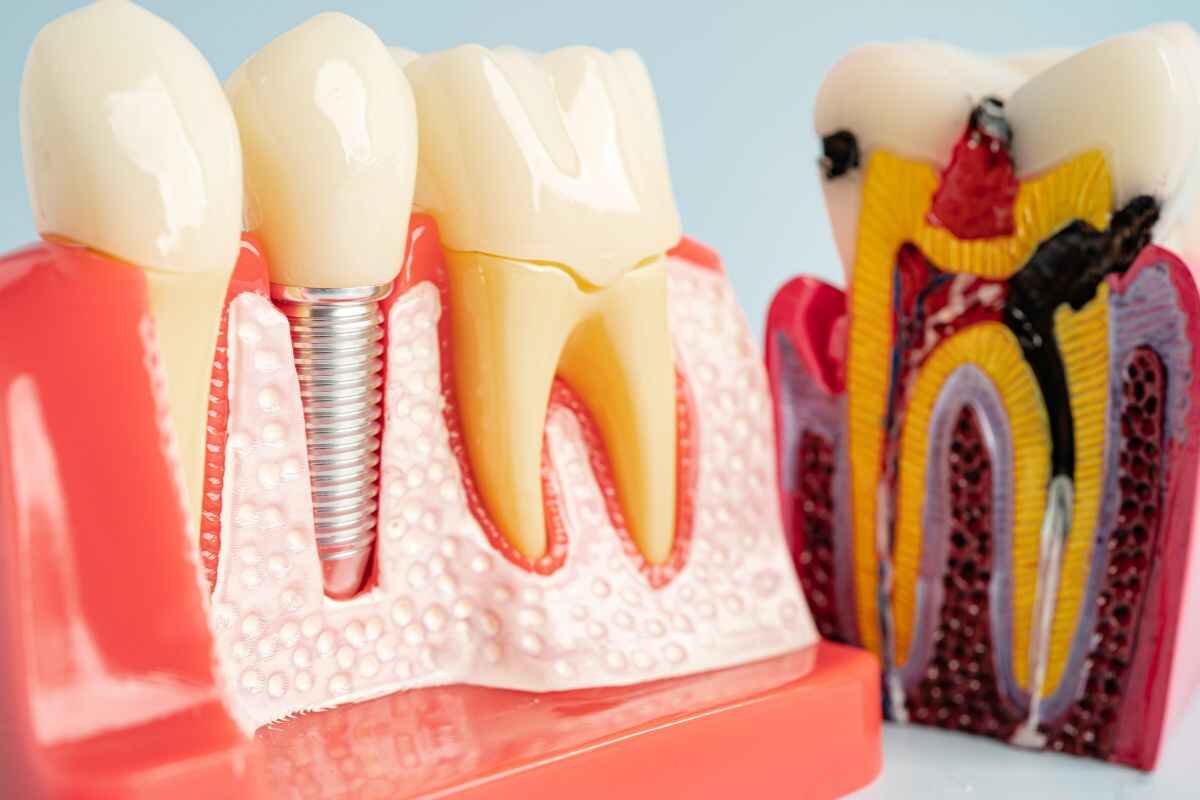
Implants vary in design, size, and placement technique. Proper planning considers bite alignment, bone density, and long-term function. A carefully placed implant should feel natural, not like a foreign object, and should support daily activities like speaking, eating, and smiling without discomfort.
Think Long-Term When Considering Cost
Dental implants often cost more upfront than bridges or removable dentures. However, implants don’t rely on adjacent teeth for support and don’t shift or loosen over time when properly maintained.
Many patients prefer implants because they fit an active, independent lifestyle. Whether you are commuting across town, traveling frequently, or simply don’t want to deal with removable appliances, implants often provide better long-term value when compared over decades rather than years.
Ongoing Care Is Still Essential
Dental implants require consistent care, just like natural teeth. Daily brushing, flossing, and regular professional cleanings are critical to keeping the gums healthy around the implant.
Dry mouth is common in Reno due to the climate and certain medications. Reduced saliva can increase the risk of inflammation around implants. Addressing this early and maintaining routine dental visits helps protect the investment you’ve made in your oral health.
Timing Can Be Flexible, Planning Should Not
Some patients want to begin implant treatment right away; others prefer to wait due to work schedules or upcoming life events. Both approaches can be appropriate.
What matters is having a clear, realistic plan. For example, sometimes an implant can be placed at the time of tooth removal, while other cases benefit from a healing period first. These decisions are based on anatomy and long-term success, not convenience alone.
Why Local Experience Makes a Difference
From North Valleys to South Reno, every patient has different needs. When patients ask about our implant services at Andresen Prosthodontics, our focus is always on education first. Knowing what to expect helps you feel confident throughout the process.
Ready to Discuss Dental Implants? If you’re looking for clear, experience-based guidance, contact us to schedule a consultation. We take the time to evaluate your situation and help you decide on a solution that supports your lifestyle here in Reno.
Frequently Asked Questions
1. How long does the dental implant process usually take?
For most patients, dental implants take several months from start to finish. After the implant is placed in the jawbone, time is needed for proper healing and integration before the final tooth is attached. The exact timeline depends on bone health, whether grafting is needed, and how your body heals. While it requires patience, this slower, planned approach is what helps implants last for many years.
2. What if I’ve been missing a tooth for a long time?
Missing a tooth for several years does not automatically rule out dental implants. What matters most is the condition of the jawbone in that area. Some patients experience bone loss over time and may need a bone graft before an implant can be placed. A proper evaluation helps determine what steps are needed to create a stable foundation for the implant.
3. How long do dental implants last?
With good oral hygiene and regular dental care, dental implants can last for decades. They are designed to be a long-term solution, not a temporary fix. Keeping the gums healthy, avoiding smoking, and attending routine dental visits all contribute to the longevity of an implant. The goal is for your implant to function like a natural tooth for as long as possible.

New Patients Appointment Welcome!