


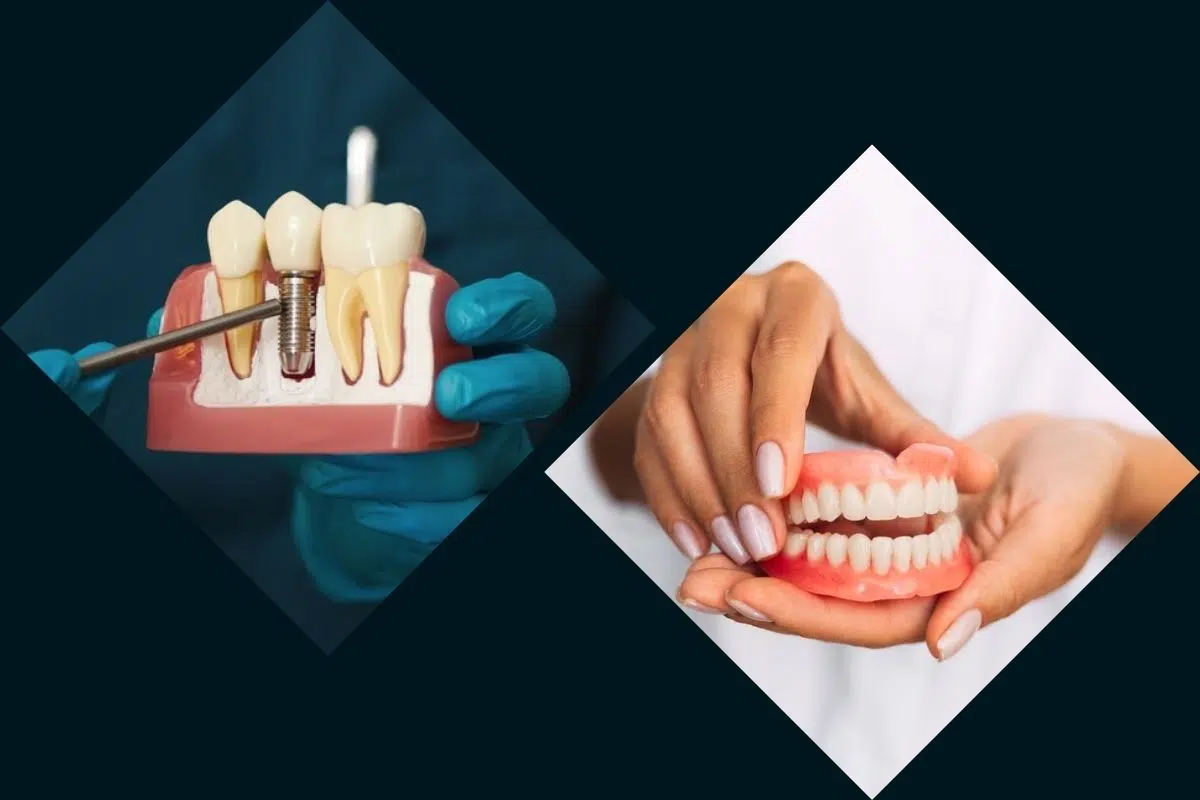
Missing teeth can affect more than just your smile, they can make it harder to chew, speak, and feel confident. That’s why many people consider dental restorations like implants or dentures when it’s time to take back their oral health. But which option is right for you?
You might be wondering if dental implants are worth the investment, or if dentures will give you the comfort and function you need. Both alternatives have distinctive advantages and drawbacks.
In this article, we’ll explore the pros & cons, and the key factors that you might consider when deciding between dental implants and dentures, so you can make the best choice for your health and lifestyle.
Advantages of Dental Implants
- Enhanced Stability and Functionality
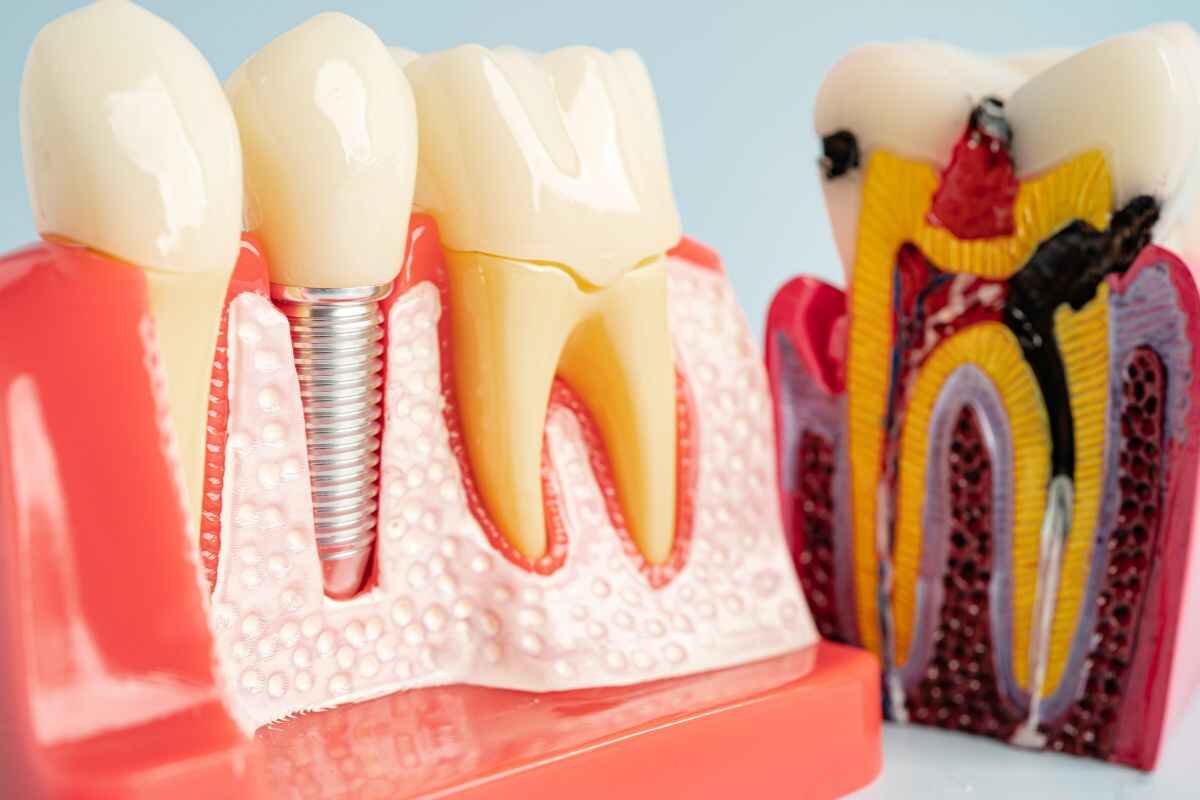
Patients consider dental implants to replace a single tooth or multiple missing teeth, because implants feel and function like natural teeth. You can chew without worry. You can speak without problems. Implants are fastened right into your jawbone. That makes them steady and strong.
- Longevity
Unlike dentures, dental implants last long if cared for properly. Regular dentures must be replaced often. But implants go on providing new teeth permanently. With good dental habits, implants stay in great shape for life.
- Preservation of Jawbone Health
Implants stimulate the jawbone, prevent bone loss and help maintain the natural structure of your face. This will prevent the sunken appearance of the cheek, often appearing due to the missing teeth and denture users.
Disadvantages of Dental Implants
- Higher upfront cost: Dental implants can be significantly more expensive than dentures, especially when multiple teeth need replacement.
- Surgical procedure required: Getting implants involves oral surgery, which means longer healing time and the possibility of complications.
- Not suitable for everyone: Patients with insufficient bone density or certain health conditions may not be good candidates for implants without additional procedures like bone grafting.
Advantages of Dentures
- Affordability
Dentures are often an affordable option compared to implants, making them accessible to a wider range of patients.
- Non-Invasive Procedure
Unlike dental implant surgery, which requires a surgical procedure to implant the titanium posts into the jawbone, getting dentures is a non-invasive process that doesn’t involve surgery.
- Easy Maintenance
Dentures are easy to clean and maintain, requiring regular brushing and soaking in a denture cleaning solution.
That said, they may require periodic adjustments or replacements due to wear or changes in jaw shape.
Disadvantages of Dentures
- Less stability: Dentures may slip or shift while eating or speaking, especially if they don’t fit properly.
- Bone loss over time: Unlike implants, dentures do not stimulate the jawbone, which can lead to bone shrinkage and facial changes.
- Shorter lifespan: Dentures typically need to be replaced every 5–8 years due to wear or changes in your mouth’s structure.
- Initial adjustment period: Many people need time to get used to speaking and chewing with dentures.
Should You Consider Implant-Supported Dentures?
If you’re torn between the stability of implants and the affordability of dentures, implant-supported dentures may offer the best of both worlds.
These dentures are anchored to dental implants placed in the jawbone, providing a more secure fit than traditional removable dentures. They don’t shift or slip during eating and speaking, and they offer better support for the jawbone, helping prevent bone loss over time.
Implant-supported dentures are typically used for patients missing most or all of their teeth, especially in the lower jaw. While they do involve surgery and a higher cost upfront than regular dentures, they provide increased comfort, better chewing ability, and a more natural feel.
Other Factors That You May Consider Before Choosing Between Implants and Dentures
- Oral Health
The condition of your oral health plays a significant role in determining whether dental implants or dentures are the right choice for you. If you have healthy gums and sufficient jawbone density, you may be a candidate for implants. However, if you have underlying oral health issues or insufficient bone density, dentures may be a better option.
- Long-Term Goals
Consider your long-term goals when deciding between dental implants and dentures. If you’re looking for a permanent solution that closely mimics natural teeth, implants may be the better choice. However, if affordability and ease of maintenance are top priorities, dentures may be more suitable.
- Lifestyle Factors
Your daily lifestyle and personal preferences should also influence your decision. If you lead an active lifestyle and prefer stability and durability, dental implants are the ideal choice. On the other hand, if you prefer a removable option that allows for easy cleaning and maintenance, dentures may be a better fit.
Have Questions About Your Restorations? Contact Us Today
At Andresen Prosthodontics, we help our Reno patients decide on and get the best dental care for their missing teeth. Whether it’s a single missing tooth or multiple teeth replacement, we examine the patients’ oral health and help them understand which option fits their oral health.
Contact us today to learn more about our dental implants service and dentures by scheduling an appointment online and let us help you in making your choice.
Frequently Asked Questions
Which option is better for bone health?
Dental implants help preserve jawbone density because they stimulate the bone just like natural tooth roots. Dentures do not provide this stimulation, and over time, can contribute to bone loss in the jaw, which may alter facial structure.
Are dental implants more expensive than dentures?
Yes, dental implants typically have a higher upfront cost due to surgery and materials. However, they may be more cost-effective in the long term because they last longer and require fewer replacements compared to dentures.
How long do dental implants and dentures last?
Dental implants can last 15–25 years or more with proper care. Dentures generally need to be replaced every 5–8 years due to wear and changes in the shape of the jawbone.
Can I eat normally with implants or dentures?
Dental implants function like natural teeth, allowing you to eat most foods without issue. Dentures may limit your ability to chew certain hard or sticky foods and can sometimes shift during eating.

New Patients Appointment Welcome!