


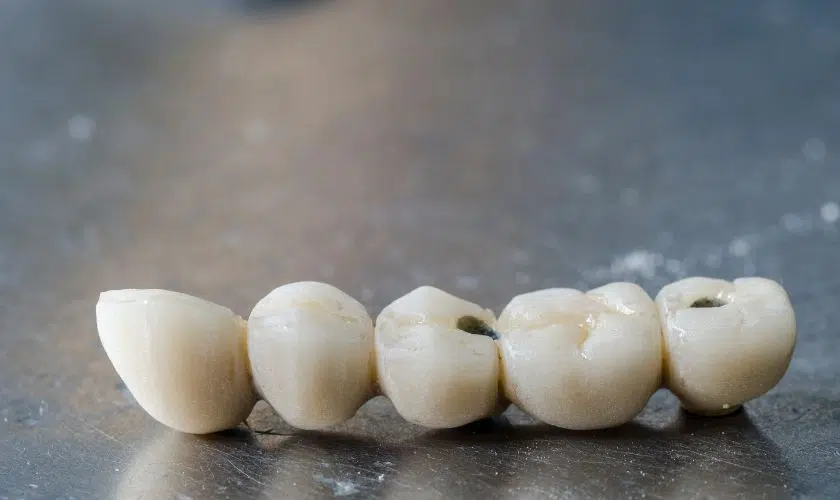
Dental bridges are a popular solution for replacing missing teeth. They help restore your smile, improve your ability to chew and speak, and maintain the shape of your face. But one common question many people have is, “How long does a dental bridge last?” In this blog post, we will explore the factors that influence the lifespan of it, how to take care of it, and what signs indicate that it might need to be replaced.
What Is a Dental Bridge?
It is a prosthetic device that fills the gap created by one or more missing teeth. It typically consists of two or more crowns for the teeth on either side of the gap (called abutment teeth) and a false tooth or teeth (called pontics) in between. These false teeth can be made from gold, alloys, porcelain, or a combination of these materials. They are supported by natural teeth or implants.
Types of Dental Bridges
Before diving into their lifespan, it’s important to understand the different types of it:
- Traditional Dental Bridges: These are the most common type, made of porcelain fused to metal or ceramics. They involve creating a crown for the tooth or implant on either side of the missing tooth, with a pontic in between.
- Cantilever Dental Bridges: These are used when there are adjacent teeth on only one side of the missing tooth or teeth. This type is not very common and is typically used for front teeth.
- Maryland Bonded Bridges: Also known as a resin-bonded bridge, this type involves a false tooth supported by a metal or porcelain framework bonded onto the back of the adjacent teeth.
- Implant-Supported Bridges: They are similar to traditional one but are supported by dental implants rather than natural teeth. They are often used when more than one tooth is missing.
How Long Does a Bridge Last?
On average, they last between 5 to 15 years, but with proper care, they can last even longer. Some bridges have been known to last over 20 years. The longevity of a bridge depends on several factors:
- Material Used: The type of material used in making the bridge affects its durability. Porcelain and ceramic bridges tend to be less durable than metal or porcelain-fused-to-metal bridges.
- Oral Hygiene: Proper oral hygiene is crucial. Regular brushing and flossing help prevent decay and gum disease, which can compromise the bridge’s supporting teeth.
- Diet and Lifestyle: Eating hard foods or chewing on non-food items can damage the bridge. Smoking and excessive alcohol consumption can also negatively affect oral health, potentially shortening the lifespan of the bridge.
- Regular Dental Visits: Regular check-ups and cleanings help detect any issues early on, ensuring that the bridge and the supporting teeth remain healthy.
- Overall Health: General health conditions, such as diabetes, can affect oral health and, consequently, the longevity of the bridges.
Caring for Your Dental Bridge
Taking care of it is similar to taking care of your natural teeth. Here are some tips to help prolong the lifespan:
- Brush Twice Daily: Use a fluoride toothpaste and brush for at least two minutes twice a day. Pay special attention to the area around the bridge.
- Floss Daily: Flossing removes food particles and plaque from between the teeth and under the bridge. Use a floss threader or an interdental brush to clean around the bridge effectively.
- Use an Antibacterial Mouthwash: Rinsing with an antibacterial mouthwash can help reduce the risk of gum disease.
- Avoid Hard Foods: Chewing on hard foods like ice, nuts, or hard candies can damage the bridge.
- Visit the Dentist Regularly: Regular dental check-ups and professional cleanings are essential. Your dentist can check the condition of the bridge and the supporting teeth.
Signs Your Dental Bridge Needs Attention
Even with the best care, they can sometimes develop problems. Here are some signs that your bridge may need repair or replacement:
- Pain or Sensitivity: If you experience pain or sensitivity around the bridge, it could be a sign of decay or damage to the supporting teeth.
- Movement: If the bridge feels loose or moves when you touch it with your tongue or finger, it may need to be re-cemented or replaced.
- Visible Damage: Chips or cracks in the bridge can compromise its function and appearance.
- Gum Issues: Swollen, red, or bleeding gums around the bridge can indicate gum disease, which can affect the bridge’s stability.
- Bad Breath or Unpleasant Taste: Persistent bad breath or an unpleasant taste can be a sign of decay or an infection under the bridge.
In Summary
A bridge is a durable and effective solution for replacing missing teeth. While the average lifespan of it is 5 to 15 years, with good oral hygiene, a healthy lifestyle, and regular dental care, it can last much longer. Paying attention to the care tips and being aware of the signs that indicate a problem can help ensure that your bridges remain in good condition for many years.
Remember, your restorative dental professional is your best resource for information and advice on how to care for your dental bridge. Regular visits and open communication with your dental care provider will help you maintain a healthy, beautiful smile.


New Patients Appointment Welcome!