


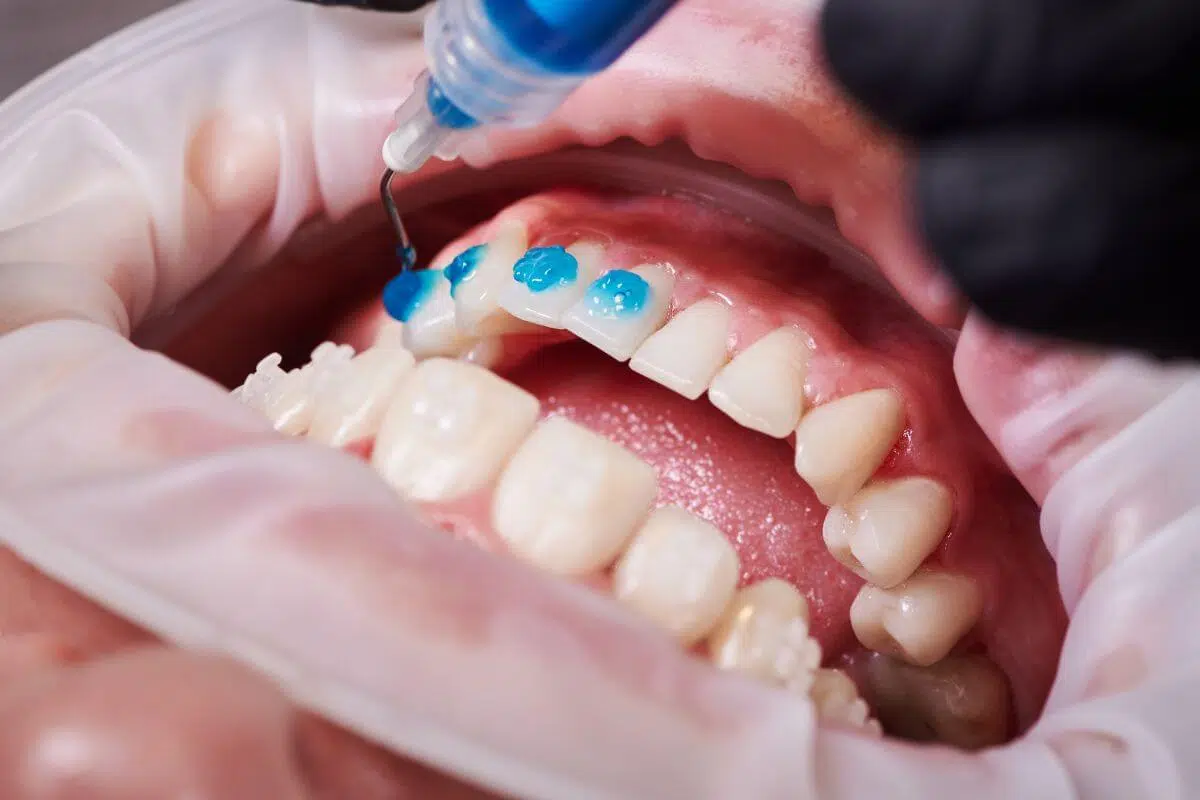
Teeth whitening is one of the most popular cosmetic dental treatments, but it’s important to know how often it can be done without damaging your teeth or gums. The safe frequency depends on the method you’re using. In general, dentists recommend waiting at least 6months between in-office whitening treatments. Whitening too often can lead to tooth sensitivity, enamel thinning, and irritation along the gumline.
In this blog, we’ll break down how different whitening methods affect your teeth, signs you may be overdoing it, and how to safely maintain a brighter smile over time.
Common Teeth Whitening Methods and How They Affect Frequency
There are several ways to whiten your teeth, and each method comes with its own recommendations on how often it can be used. Here’s a closer look at the most common options and how to use them safely.
Professional In-Office Whitening
Frequency:
Most patients can safely have in-office whitening once every 6 to 12 months. Because the bleaching agents used are highly concentrated, results last longer, so there’s usually no need to repeat the treatment frequently.
Benefits:
This method delivers the fastest and most noticeable results, often in just one visit. It’s ideal for people with deeper stains or for those looking for a dramatic change before a big event.
Safety:
In-office treatments are supervised by dental professionals, which reduces the risk of complications.
At-Home Whitening with Custom Trays
Frequency:
Most patients can safely repeat this treatment every 4 to 6 months, depending on their lifestyle and level of staining. Occasional touch-ups may be recommended in between, but only under your dentist’s guidance.
Benefits:
Custom trays provide an effective balance between convenience and strength. The trays are made to fit your teeth, which allows the whitening gel to work evenly and reduces the risk of gum irritation.
Safety:
Because the trays are designed specifically for your mouth and use a dentist-approved gel, they’re generally safe for repeated use.
Over-the-Counter (OTC) Strips and Kits
Frequency:
Most products are intended for use once or twice a year, often in a 10- to 14-day cycle. Using them more often than recommended on the label can lead to enamel wear and gum discomfort.
Benefits:
OTC whitening kits are widely available and cost-effective. They’re easy to use at home and can help maintain a brighter smile between professional treatments.
Safety:
Because these products aren’t custom-fitted, the whitening gel may come into contact with your gums or miss certain areas of your teeth. Frequent or improper use can lead to irritation and uneven results. Stick to products with the ADA Seal of Acceptance when possible.
Whitening Toothpastes and Mouthwashes
Frequency:
These products are designed for regular use and can typically be used daily. However, if you start noticing sensitivity or gum discomfort, it’s a good idea to scale back or switch to a gentler formula.
Benefits:
Whitening toothpastes and rinses help remove surface stains and maintain the results of more intensive whitening treatments. They’re a good option for ongoing maintenance rather than dramatic whitening.
Safety:
Many whitening toothpastes use mild abrasives to polish away stains. Look for products that are labeled as enamel-safe.
Factors That Influence Whitening Frequency
Not everyone needs to whiten their teeth at the same rate. Several personal factors affect how often whitening treatments are needed or even recommended.
1. Your Natural Tooth Color and Enamel Thickness
Some people naturally have whiter teeth, while others have a more yellow or gray undertone. Genetics also play a role in how thick or thin your enamel is. Thinner enamel shows more of the dentin underneath, which can make teeth appear darker. If your enamel is already on the thinner side, whitening too often can make sensitivity worse and increase the risk of long-term damage.
2. Diet and Lifestyle Habits
Coffee, tea, red wine, and tobacco are some of the biggest contributors to staining. If you regularly consume these, your whitening results may not last as long, and you might be tempted to whiten more frequently. Instead of jumping into another full treatment, consider using whitening toothpaste or touch-up trays to manage stains in between.
3. Type of Whitening Method Used
As mentioned earlier, in-office whitening treatments last longer and require less frequent touch-ups than over-the-counter products. If you’re relying on OTC kits or strips, you may notice stains returning sooner, but using these too often without supervision can do more harm than good.
4. Oral Hygiene Routine
Brushing twice a day, flossing, and keeping up with professional cleanings can extend the results of any whitening treatment. The better your oral hygiene, the less often you’ll need to whiten. Skipping regular cleanings, on the other hand, can lead to faster buildup of surface stains and dullness.
5. Tooth Sensitivity
If your teeth become sensitive after whitening, that’s a signal to slow down. Some people are more prone to sensitivity than others. If you notice discomfort, it’s best to space out treatments and talk to your dentist about sensitivity management options before whitening again.
Tips for Safe Whitening
Whitening your teeth can brighten your smile, but it’s important to do it safely. Here are some quick tips to keep in mind:
1. Follow Your Dentist’s Advice : Get a professional opinion before starting whitening, especially if you have sensitive teeth or dental work.
2. Don’t Overdo It: Wait at least six months between strong whitening treatments to protect your enamel.
3. Use Gentle Toothbrushes and Toothpaste: Choose a soft-bristled brush and non-abrasive toothpaste to avoid irritation after whitening.
4. Be Careful with At-Home Kits: Always follow instructions and stop use if you experience sensitivity or gum irritation.
5. Practice Good Oral Hygiene: Brush, floss, and avoid stain-causing foods to keep your smile bright longer.
Need Teeth Whitening? Contact Us in Reno
At Andresen Prosthodontics, we understand how important a bright, healthy smile is to you. Whether you’re considering professional whitening in Reno or need advice on safe at-home options, our team is here to help.
Contact us today to schedule your appointment and let us help you achieve the confident, radiant smile you deserve.


New Patients Appointment Welcome!