


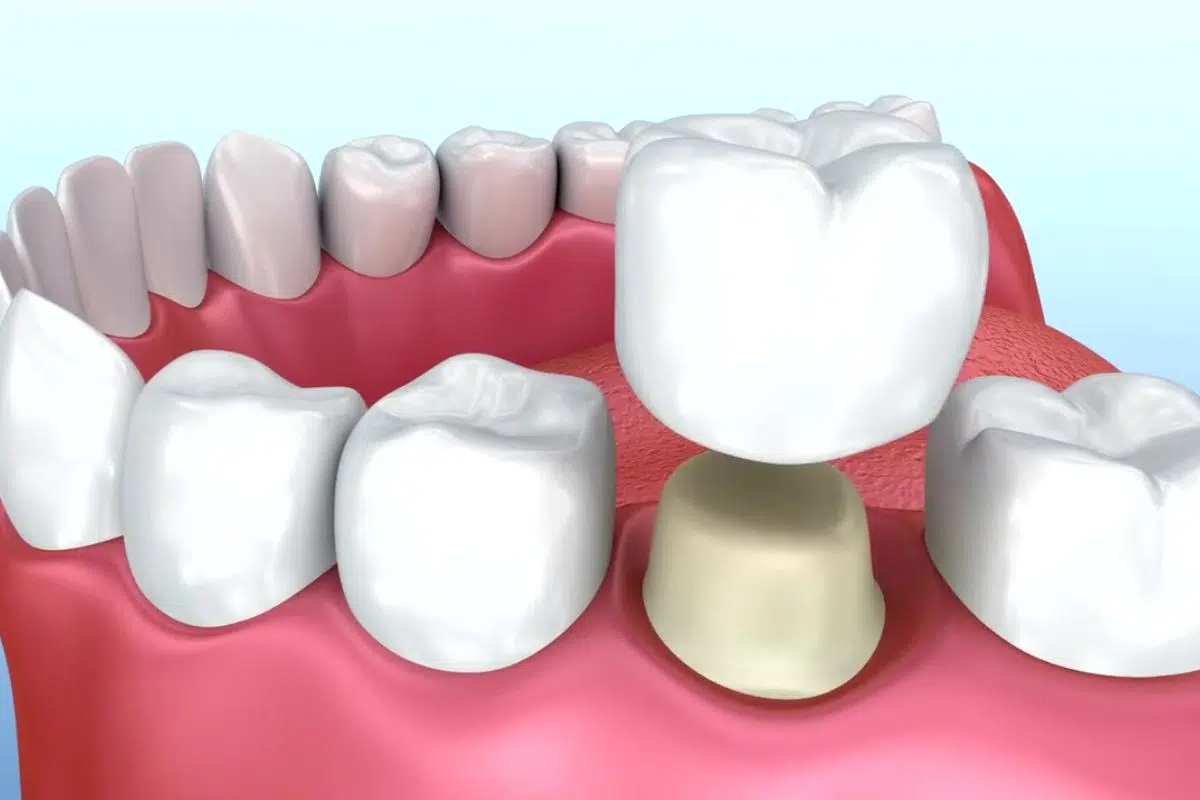
Dental crowns are a trusted solution for repairing teeth that are damaged, cracked, or weakened. While the idea of dental work can sometimes cause worry about pain, modern techniques and anesthesia make getting a crown much more comfortable than you might expect.
In this article, we’ll explore the common concerns about discomfort during the procedure and explain what you can expect to feel, so you can approach your treatment with confidence.
Why Getting a Dental Crown Is Important for Repairing Damaged or Weak Teeth
A dental crown is a custom-made covering that is placed over damaged teeth to restore their shape, size, strength, and appearance. They are often recommended to address various oral health complications, including the following:
- Severe Tooth Decay
- Cracked or Broken Teeth
- Protection After Root Canal Treatment
- Cosmetic Improvements
“As per the National Center for Health Statistics, a single crown is the most common restorative procedure. Nearly 2.3 million implant supported crowns are made annually in the U.S. alone.” – Source: https://www.fortunebusinessinsights.com/
Crowns are not just about fixing a problem; they provide long-term benefits that enhance your quality of life.
- Durability and Strength
- Custom Aesthetics
- Preventive Benefits
- Versatile Applications
Does Getting a Dental Crown Hurt and What to Expect During the Procedure?
No, receiving a dental cap is not inherently painful. Dentists use anesthesia to ensure your comfort throughout the restorative procedure.
How Long Does It Take to Get a Dental Crown?
The full crown process typically takes two visits over 1 to 2 weeks, depending on the materials used and the dental lab schedule.
- First Visit (Preparation): The affected tooth is reshaped to make room for the crown. An impression of your tooth is then taken to create a custom fit. A temporary crown is placed to protect the tooth while your permanent one is being fabricated.
- Second Visit (Final Placement): Once the final crown is ready, it is permanently cemented and adjusted for proper bite and comfort.
In some cases, same-day crowns may be available using CAD/CAM technology, but traditional crowns still remain widely used due to their strength and long-term durability.
Here’s what to expect during the process:
- Preparation Phase: Your dentist reshapes the tooth to accommodate the cap. Local anesthesia numbs the area, so you won’t feel pain.
- Impressions and Temporary Crown: After reshaping, impressions are taken to design the permanent one. In the meantime, a temporary cap protects the tooth.
- Crown Placement: After preparation, the customized one is firmly attached to the tooth surface using appropriate bonding techniques. Minimal discomfort is normal during adjustments.
Temporary tooth sensitivity might occur following the placement, though most patients find this discomfort resolves quickly.
How Long Does Sensitivity Last After Getting a Crown?
Sensitivity following crown placement is common and temporary. You may notice discomfort when eating or drinking hot, cold, or sweet items for a few days. For most patients, this sensitivity fades within 3 to 7 days as your tooth and gums adjust to the new restoration.
If you have a history of tooth sensitivity or grinding, your dentist may recommend using a sensitive-teeth toothpaste or a nightguard to reduce irritation. Should the sensation persist beyond a week or worsen, a follow-up is recommended to rule out any bite or fit issues.
What If You Still Feel Discomfort After a Crown?
It’s normal to experience mild sensitivity after a crown procedure, especially when biting down or consuming hot and cold foods. This usually resolves within a few days. However, if you continue to feel discomfort beyond a week—or experience sharp pain—it’s important to follow up with your dentist.
Lingering discomfort could be caused by a crown that needs slight adjustment, such as bite alignment or margin fit. These issues are generally minor and can be easily corrected with a quick visit. Ongoing communication with your dental provider helps ensure your crown feels comfortable and functions as intended.
How to Reduce Pain and Discomfort When Getting a Dental Crown
Modern techniques ensure that full coverage restorations for your teeth are as painless as possible. Here’s how discomfort is minimized:
- Use of Local Anesthesia: The administration of numbing agents or sedation makes the procedure virtually pain-free.
- Temporary Crowns: After the initial appointment, a temporary crown is placed over your prepared tooth to protect it. This cover is made from acrylic or resin and is not as strong as the permanent version, so some care is needed. Till you get the permanent crown, avoid sticky or hard foods, chew on the opposite side of your mouth, and brush gently around the temporary crown. Mild gum soreness or sensitivity may occur but usually subsides within a day or two. If the temporary crown comes loose or feels uncomfortable, contact your dentist to have it re-secured until the final crown is ready.
- Precision Technology: Advanced imaging and crafting techniques reduce the time needed to install tooth caps and improve your comfort.
- Post-Procedure Care: Following your dentist’s guidance ensures swift recovery and relief from minor sensitivity after restorations with crowns.
If you experience lingering discomfort, book a dental consultation for adjustments or additional care with tooth covers.
Experience Comfortable, Customized Dental Crown Care at Andresen Prosthodontics
If you’re considering a dental crown in Reno and have concerns about discomfort, Andresen Prosthodontics is here to help. We use the latest techniques and local anesthesia to make the process as smooth and painless as possible.
Caps play a vital role in preserving tooth structure, preventing further damage, and enhancing your smile. You can visit our dental clinic in Reno, NV 89509 to explore tooth caps and other restorative dentistry treatments.


New Patients Appointment Welcome!