


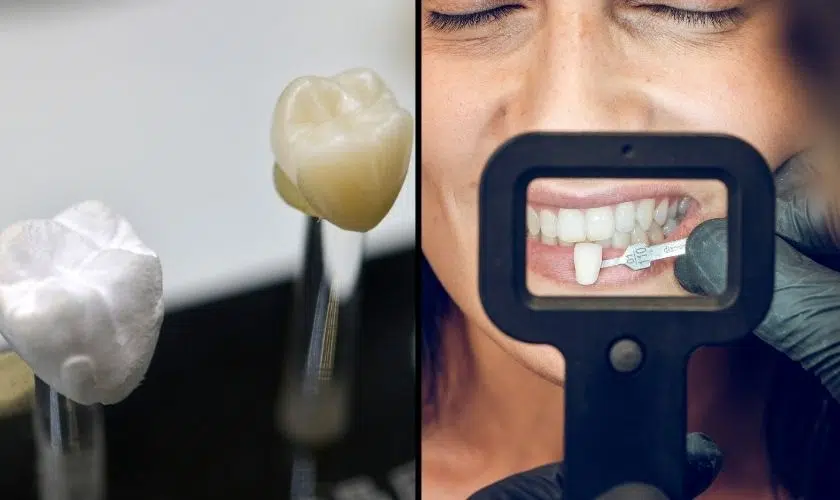
Veneers and crowns are two common choices that are frequently used to improve the appearance of your teeth and smile. Both offer special advantages and serve distinct functions. Knowing the distinctions between them will help you choose the best dental procedure for you, particularly if you’re thinking about seeing a cosmetic dentist in Reno.
What are Veneers?
They are very thin shells that are bonded to the front surface of your teeth. They are usually constructed of porcelain or composite resin. They are mostly used cosmetically to improve the look of your smile. This treatment can resolve several dental problems, including:
- Discoloration
- Chips or cracks
- Gaps between teeth
- Misalignment
- Irregularly shaped teeth
Veneers Come in Different Forms, each suited for specific needs.
Types of Veneers
There are mainly two types: porcelain and composite veneers.
Porcelain Veneers
They are made of porcelain, which is the most popular material used. These veneers are known for their resilience to stains and their ability to replicate the natural look of real teeth. Porcelain veneers last for many years with proper care, making them an ideal choice for those seeking a long-lasting and aesthetically pleasing smile.
Composite Veneers
Composite veneers are made from tooth-colored resin. While they are less costly than porcelain one, they might not last as long and are also less sturdy. On the other hand, they can often be applied in a single visit.
What are Crowns?
Crowns are caps that cover the entire tooth, restoring its shape, size, strength, and appearance. They serve both practical and aesthetic functions. When teeth are severely decaying or damaged, or following a root canal procedure, crowns are used to protect the underlying area. Crowns may be made from various materials, including:
- Porcelain
- Ceramic
- Metal
- Resin
- A combination of these materials
Types of Crowns
They come in different types, each with its advantages.
Porcelain-Fused-to-Metal (PFM) Crowns
Porcelain-fused-to-metal crowns combine the strength of metal with the aesthetic appeal of porcelain. They are durable and matches the color of your natural teeth, although the metal underlying the porcelain can sometimes show through as a dark line, especially at the gum line.
All-Porcelain or All-Ceramic Crowns
All-porcelain or all-ceramic crowns offer the best natural color match and are an excellent choice for people with metal allergies. However, they are typically applied on the front teeth rather than molars and are not as sturdy as PFM crowns.
Metal Crowns
Metal crowns are made from gold, palladium, nickel, or chromium. They are extremely durable and resistant to wear and tear, making them a good choice for molars. However, their metallic color makes them less aesthetically pleasing.
Resin Crowns
Resin crowns are less expensive than other types but also wear down more quickly and are more prone to fractures. They are often used as a temporary solution.
Key Differences Between Veneers and Crowns
Understanding the key differences between veneers and crowns is crucial for making the right choice for your dental needs, whether you’re looking for veneers or dental crowns.
Coverage and Application
Veneers only cover the front surface of the tooth, making them a less invasive option that requires minimal tooth reduction. They are ideal for cosmetic improvements and minor issues.
Crowns, on the other hand, cover the entire tooth. This makes them suitable for teeth that are more severely damaged or decayed. The process of getting a crown involves more extensive tooth reduction.
Purpose and Use
Veneers primarily improve the aesthetic of your smile. They are perfect for improving the color, shape, and overall appearance of teeth that are otherwise healthy.
Crowns are used for both functional and aesthetic purposes. They are the go-to solution for teeth that need significant restoration due to damage, decay, or after procedures like root canals.
Durability
Crowns generally offer more durability and strength compared to veneers, making them suitable for teeth that endure high pressure, such as molars.
Veneers, while durable, are not as strong as crowns. They are best suited for front teeth, which are less subjected to heavy biting forces.
Procedure Time
With composite resin the cosmetic restoration can be done in a single visit. Porcelain veneers typically require two visits—one for tooth preparation and another for bonding the veneer.
Crowns usually require two visits as well: one for tooth preparation and taking impressions, and another for fitting and placing the crown.
Pros and Cons of Veneers
Pros
- Aesthetic Appeal: Veneers provide a natural and attractive appearance.
- Minimally Invasive: Less tooth reduction compared to crowns.
- Stain Resistance: Porcelain veneers are resistant to staining.
Cons
- Fragility: Veneers, especially composite ones, can chip or crack.
- Not Suitable for Damaged Teeth: If your teeth are badly decaying or damaged, veneers are not the best option.
- Cost: Porcelain veneers can be expensive.
Pros and Cons of Crowns
Pros
- Durability: Crowns provide strong and long-lasting protection.
- Versatility: Suitable for both cosmetic and restorative purposes.
- Comprehensive Coverage: Ideal for severely damaged or decayed teeth.
Cons
- Invasive Procedure: Requires significant tooth reduction.
- Aesthetic Concerns: Metal crowns and PFM crowns may show a dark line at the gum line.
- Cost: High-quality crowns can be costly.
Choosing Between Veneers and Crowns
When deciding between veneers and crowns, consider the following factors:
Condition of Your Teeth
- Minor Issues: If your teeth are mostly healthy with minor cosmetic issues, veneers might be the best option.
- Severe Damage: Crowns are a better option for severely decaying, damaged, or weak teeth.
Desired Outcome
- Cosmetic Improvements: If the main goal is to enhance your smile’s appearance, veneers are ideal.
- Functional Restoration: For restoring function and strength to a damaged tooth, crowns are the better choice.
Longevity and Maintenance
- Veneers: Require good oral hygiene to maintain their appearance and longevity. Regular dental check-ups are essential.
- Crowns: Also require good oral hygiene but are generally more durable and can last longer than veneers.
Cost Considerations
- Veneers: Porcelain veneers can be expensive, but composite veneers offer a more affordable option.
- Crowns: The cost varies depending on the material, with metal crowns being less expensive but less aesthetically pleasing than porcelain or ceramic crowns.
Restore Your Smile With Andresen Prosthodontics in Reno
Choosing between veneers and dental crowns doesn’t have to be overwhelming. At Andresen Prosthodontics in Reno, we specialize in advanced cosmetic and restorative dental solutions tailored to your unique smile goals.
During your personalized consultation, Dr. Andresen will thoroughly evaluate your oral health, explain your options, and recommend the most effective treatment, whether you need minor cosmetic enhancements or full-tooth restoration.
Contact us today to schedule your consultation and take the first step toward a healthier, more confident smile.
Frequently Asked Questions
1. How do I know if I need a veneer or a crown?
If your tooth is mostly healthy and you’re looking to improve its appearance like correcting discoloration, shape, or small gaps, veneers may be the right choice. If your tooth is damaged, decayed, or weakened, a crown is typically recommended for added strength and protection.
2. Which lasts longer: veneers or crowns?
Crowns generally last longer than veneers because they cover the entire tooth and are built to withstand more pressure. However, porcelain veneers last for many years when properly maintained. The longevity of both depends on oral hygiene, bite pressure, and materials used.
3. Are veneers or crowns more expensive?
The cost can vary based on the material and complexity of the procedure, but porcelain crowns and porcelain veneers are typically in a similar price range. Composite veneers are usually more affordable but less durable. A consultation with your dentist can provide a clearer cost comparison for your specific needs.
4. Do veneers or crowns require more tooth reduction?
Crowns require more tooth structure as it cover the entire tooth. Veneers are less invasive, only requiring minimal enamel removal from the front surface. Your dentist will determine the best option based on your tooth’s condition and treatment goals.


New Patients Appointment Welcome!