


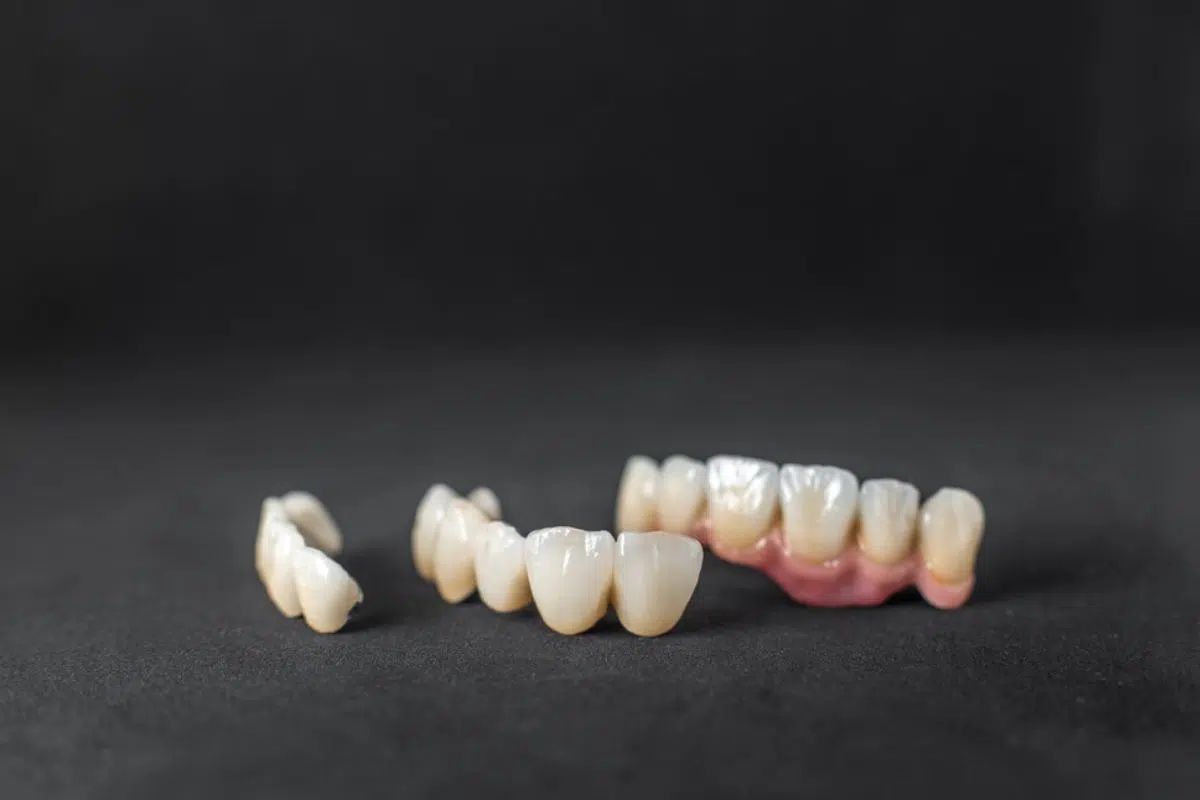
Dental crowns are meant to protect damaged teeth and restore normal function. Most people don’t think much about them once they’re in place. According to Fortune Business Insights, approximately 2.3 million implant supported crowns are made in the USA.
But sometimes, things don’t feel quite right. You might notice pain or pressure when you chew, or a sharp ache when you bite down. It’s easy to assume the pain will go away on its own, but if it sticks around, it could be your tooth’s way of saying something needs attention.
In this article, we’ll talk about what might be causing the discomfort, what you’ll experience during the pain, and how you can get rid of the crown pain.
Symptoms Associated with Crown Pain
If you’re having trouble with a crowned tooth, the pain usually shows up when you eat. But it’s not always the case. Other symptoms may include:
- A dull ache in the crowned tooth
- Sharp pain when biting down
- Sensitivity to hot or cold foods
- Soreness in the gums around the crown
- Pain that comes and goes, or lingers after chewing
Even if the pain feels small now, it’s worth paying attention to. It could be a sign of something going on beneath the surface.
Is It Normal to Feel Pain After Getting a Crown?
Some sensitivity after getting a crown is totally normal. Your tooth has been worked on, and it may react to temperature or pressure for a few days. This usually fades on its own.
But if the pain persists, you shouldn’t ignore it. If chewing feels uncomfortable, or if there’s sharp pain when you bite down, there may be more going on than just sensitivity.
Common Reasons Why a Dental Crown Hurts When You Bite Down
The Crown Is Too High
Even a slight difference in height can throw off your bite. If the crown is a bit too tall, it may hit before your other teeth do. That extra pressure can cause soreness, especially when chewing.
Decay Under the Crown
It’s possible for a cavity to develop underneath a crown. If the edge of the crown doesn’t seal well or if decay forms over time, it can irritate the inner part of the tooth.
Loose or Poorly Fitted Crown
A crown that doesn’t fit snugly can shift slightly or press unevenly on the tooth. This can lead to pain, especially when you’re eating.
Nerve Irritation or Infection
If the tooth under the crown still has a nerve and it wasn’t root-canaled, it could be inflamed or infected. That kind of pain often feels deep and sharp, especially under pressure.
Gum Inflammation Around the Crown
Sometimes the pain isn’t coming from the tooth at all—it’s from the gum tissue around it. Inflamed or infected gums can feel sore or tender to the touch.
Teeth Grinding (Bruxism)
If you grind or clench your teeth, your crown may be taking more pressure than it should. Over time, that can cause soreness in the crowned tooth and even damage the crown itself.
Crack in the Tooth Underneath
A fracture beneath the crown can sometimes go unnoticed. If there’s a hidden crack in the tooth structure, it can hurt when pressure is applied.
How To Identify the Source of Pain From Crown
If your crown hurts, try to notice the pattern. Does it only hurt when you chew? Is it sensitive to hot drinks? Does the crown feel loose, or are your gums swollen around it?
These small details can help your dentist figure out what’s causing the problem. At your visit, they’ll usually:
- Check your bite to see if the crown is too high
- Take x-rays to look for hidden decay or nerve problems
- Press gently around the crown to test for movement or gum issues
- Ask when and how the pain started
But, When Should You See Your Dentist?
If the pain lasts more than a few days or seems to get worse instead of better, it’s time to make an appointment. Also contact your dentist if:
- You feel sharp pain when chewing
- The crown feels loose or unstable
- You notice swelling or redness around the crown
- There’s new sensitivity to temperature or pressure
Treatment Options For Crown Pain
Once the source of the pain is clear, your dentist will suggest a solution based on what’s going on. This might include:
Bite adjustment: If your crown feels too high or uneven, your dentist can smooth it down to restore proper alignment. This helps balance the pressure on your teeth when you bite, which can reduce discomfort.
Replacing the crown: If the crown is poorly fitted, cracked, or damaged, it may need to be replaced. A well-fitted crown will fit snugly over the tooth, eliminating discomfort and preventing further irritation.
Root canal therapy: If the pain is coming from an infection or inflammation in the tooth’s nerve, a root canal may be necessary. This treatment removes the infected tissue and seals the tooth, alleviating pain and preventing future problems.
Cleaning and treating the gum tissue: If the surrounding gums are swollen or infected, cleaning and treating the gums can help. This will relieve tenderness and irritation, which might be contributing to the discomfort.
A night guard: If you grind your teeth while sleeping, a night guard can protect your crown and reduce pressure on the tooth. It’s especially helpful in preventing further wear and tear on both your crown and natural teeth.
These treatments will be tailored to your specific needs, so your dentist will take the time to find the right approach to relieve the pain and get your crown feeling just right.
If Crown Pain Persists, Visit Andresen Prosthodontics
Pain from a crown isn’t something you have to live with. Whether it’s a simple bite adjustment or something deeper, it’s worth figuring out what’s going on.
At Andresen Prosthodontics, we restore smiles with dental crowns in Reno and help patients every day who are dealing with crown discomfort. If your crown hurts when you bite down, we’re here to help.
Schedule a visit with us. Let’s get your bite feeling normal again.


New Patients Appointment Welcome!