


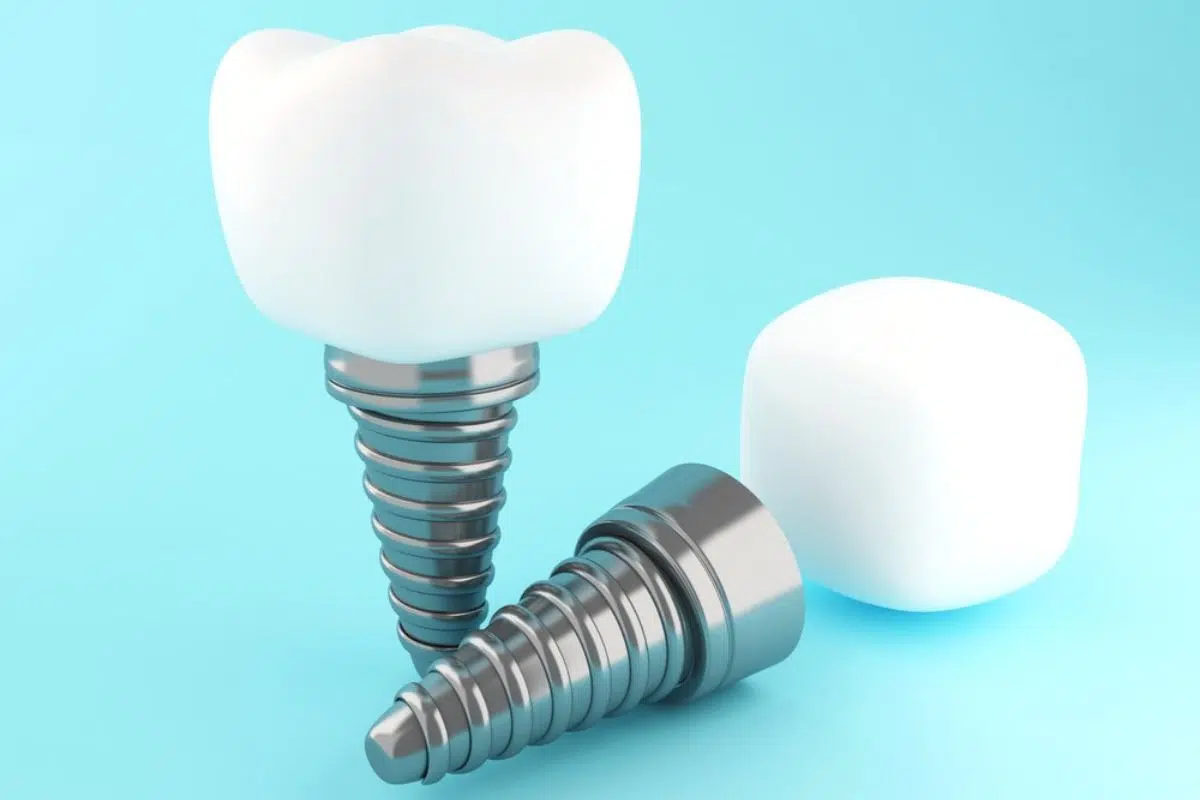
Dental implants are a popular and reliable solution for replacing missing teeth, providing a long-lasting, natural-looking option. However, individuals with chronic health conditions like diabetes, arthritis etc. may face unique challenges with their implant procedures.
Chronic diseases can impact the body’s ability to heal, increasing the risk of complications and influencing the success of the implants. It’s important to understand how specific chronic conditions can affect the healing process and how they interact with dental implants.
According to a report, dental implants have a success rate of 95%, but patients with chronic diseases may experience a lower success rate due to complications with healing and infection.
Chronic Diseases That Impact the Success of Dental Implants
Diabetes
High blood sugar levels can impair the body’s ability to heal wounds and fight infections, critical during the implant procedure. This can increase the risk of post-surgical infections and delay the osseointegration process, where the implant fuses with the jawbone.
Maintaining proper blood sugar control before and after surgery is essential for ensuring the success of implants in diabetic patients.
Osteoporosis
In this condition bone mineral density and bone mass decrease and weaken bones, including the jawbone. This makes it more difficult for implant post to properly integrate. The reduced bone density in the jaw can result in implant failure or instability.
Without adequate bone mass, the risk of implant complications is higher, making careful assessment essential before proceeding with the procedure. In some cases, bone grafting may be necessary to ensure a strong foundation for the implants.
Cardiovascular Disease
Patients with cardiovascular disease may encounter circulation issues in the blood, which can hinder the body’s ability to heal effectively after the surgery. Poor blood circulation can slow the recovery process, and certain heart medications, such as blood thinners, can increase the risk of bleeding during or after surgery.
This can complicate the dental implant procedure, as proper healing is crucial for the implant to remain stable. Cardiovascular health needs to be carefully considered during the treatment planning process to avoid potential complications.
Rheumatoid Arthritis
It is an autoimmune disease that affects joint and bone health. The condition can also impact the bones of the jaw, potentially causing bone loss or changes in bone structure.
Patients with rheumatoid arthritis may experience a weakened immune system. This can delay the healing time and increase the risk of infection following the surgery. The presence of this condition requires a tailored approach to treatment, with careful monitoring throughout the process.
Autoimmune Disorders (like Lupus)
In these cases, the immune system attacks healthy tissue, which can interfere with the healing of implant surgery. Additionally, some medications used to manage autoimmune diseases can suppress the immune system further, heightening the risk of infection.
Careful coordination with both the dentist and the patient’s physician is vital to ensure that implant procedures can be performed safely.
Cancer Treatment (Chemotherapy and Radiation)
In the treatment of cancer, chemotherapy and radiation therapy can have a significant effect on bone health and the immune system.
Chemotherapy can impair the body’s ability to produce new cells, leading to slower healing times and a higher risk of infection.
Radiation therapy, especially in the head and neck area, can weaken the bone and soft tissue, making it more challenging for implants to integrate properly.
Patients undergoing cancer treatment may need to wait until their treatment is completed. Their health must be stabilized before undergoing dental implant surgery.
How to Manage Dental Implants with Chronic Disease
Here are key considerations to keep in mind:
- Consult with Healthcare Providers: It’s essential to consult both your dentist and primary care physician to assess the risks and ensure your chronic condition is well-managed before the procedure.
- Thorough Health Evaluation: A comprehensive evaluation of your overall health, the severity of your chronic disease, and your ability to heal is critical for planning the procedure.
- Adjusting the Treatment Plan: In some cases, the dentist may need to adjust the implant procedure or explore alternatives like bone grafting, mini implants, or hybrid dentures based on the patient’s health condition.
- Consideration of Medication: Certain medications, especially for chronic conditions (such as blood thinners for cardiovascular disease or immunosuppressants for autoimmune diseases), may need to be adjusted prior to surgery to minimize risks during the procedure.
- Monitor Recovery Carefully: Patients with chronic diseases may have slower recovery times. Regular follow-ups with the dentist are essential to monitor the healing process and identify any complications early.
Wondering if Implants Are Right If You Have Chronic Diseases?
After finding how chronic diseases can affect dental implants, you might wonder if it is still a viable option for you. It’s important to consult with both your dentist and healthcare provider to determine if implants are the right choice based on your specific health condition.
Reach out to us for personalized dental implants in Reno and customized plans depending on your health and needs.
Contact us today to schedule your consultation.

New Patients Appointment Welcome!