



Is your tooth cracked, broken, or worn down to the point where eating or drinking has become uncomfortable? You are not alone. Tooth damage is one of the most common dental concerns, and it can happen to anyone, whether from an accident, a cavity that went untreated, or simply years of wear and tear.
However, you no longer have to live with a weakened tooth or worry about it getting worse. A dental crown is one of the most reliable ways to restore a tooth, protect it from further damage, and return to a normal, comfortable life.
At Andresen Prosthodontics, Dr. Craig Andresen helps patients across Reno find lasting, functional solutions for compromised teeth. If you are searching for dental crowns in Reno, this guide will walk you through everything you need to know before you take the next step.
What Is a Dental Crown?
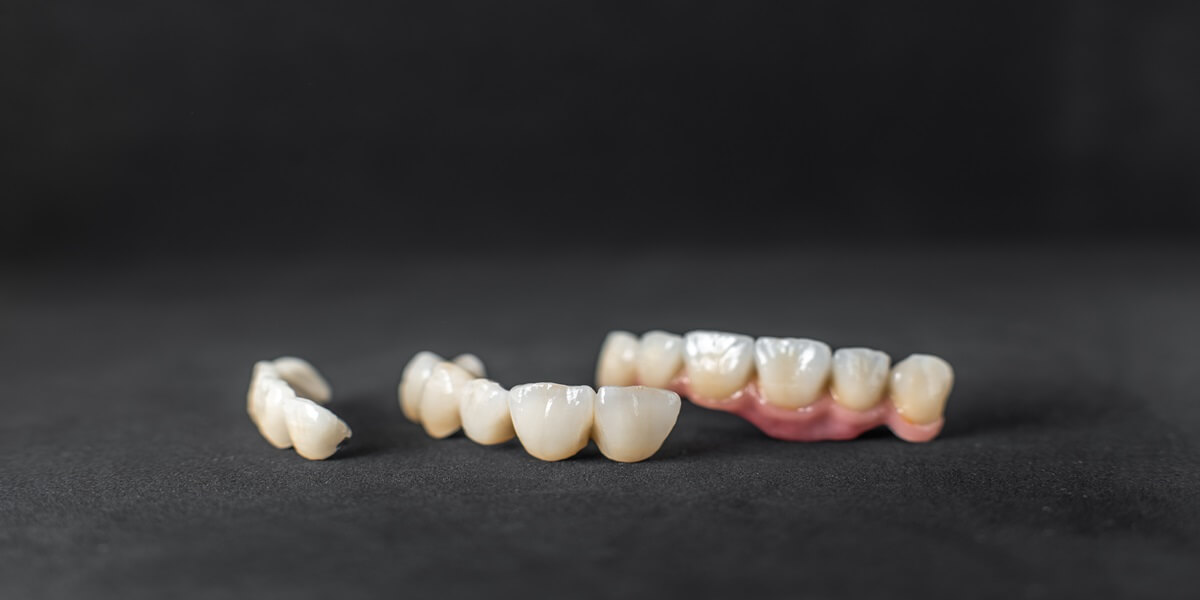
It is a tooth-shaped cap placed over a natural tooth. This restoration fully covers the visible portion of the tooth above the gum line. Once bonded in place, a crown restores the tooth’s shape, size, strength, and appearance.
Crowns are made from several materials, each with its own strengths. Common options include:
• Porcelain: Closely matches the color of natural teeth. A popular choice for front teeth.
• Porcelain-fused-to-metal: Offers a combination of strength and a natural look.
• Zirconia: Extremely durable and tooth-colored. Works well for back teeth under heavy chewing pressure.
• Metal alloys: Very strong and long-lasting. Often used for molars, where appearance is less of a concern.
The dentist will recommend the right material based on the location of the tooth, your bite, and your cosmetic goals.
When Are Dental Crowns the Right Solution?
Not every tooth problem requires a crown, but many situations call for one. The dentist may recommend a crown when:
• A tooth has a large cavity that a filling cannot adequately restore
• A tooth is cracked or chipped and at risk of splitting further
• A tooth has broken and lost significant structure
• A tooth has just had a root canal and needs protection
• A dental implant needs a crown to complete the restoration
• A tooth is severely worn down due to grinding or erosion
In all of these cases, a crown acts as a protective shell that holds the tooth together and keeps it functional.
How Do Crowns Protect and Restore a Tooth?
A crown does more than just cover a tooth. It actively works to protect and restore it in several important ways.
1. They Hold a Cracked or Fractured Tooth Together
When a tooth is cracked, biting down can cause the crack to spread deeper into the root. A crown surrounds the entire tooth, preventing the crack from widening and saving the tooth from extraction.
2. They Prevent Bacteria from Reaching the Inner Tooth
An untreated cavity or broken tooth is an open door for bacteria. Once bacteria reach the inner pulp, you may need a root canal or even lose the tooth entirely. A crown seals the tooth and stops bacteria from causing further damage.
3. They Restore Full Chewing Function
A compromised tooth can make it painful or difficult to chew. After a crown is placed, you can eat normally without worrying about pressure or sensitivity. This is especially important for molars and premolars that handle most of the chewing load.
4. They Protect Teeth After Root Canal Treatment
A tooth that has had a root canal is more fragile because the inner pulp that kept it nourished has been removed. Without a crown, that tooth is vulnerable to fractures. Placing a crown over it significantly extends its lifespan.
5. They Look and Feel Natural
Modern tooth caps are designed to match the color, shape, and texture of surrounding teeth. Most people cannot tell the difference between a crown and a natural tooth. This makes them a great choice for both front and back teeth.
How Long Does a Dental Crown Last?
Dental crowns are designed to last. With proper care, they typically last between 10 and 15 years. Many crowns last 20 years or more, depending on the material used and how well they are maintained.
Here is what makes the difference between a crown that lasts 10 years and one that lasts 20:
• Brushing twice a day and flossing daily, paying close attention to the crown margin
• Avoiding hard foods like ice, hard candy, and nuts that can crack or chip a crown
• Wearing a nightguard if you grind your teeth while sleeping
• Visiting your dental practice regularly for checkups and cleanings
• Addressing bite issues that put excess pressure on the crown
The foundation matters too. A well-placed crown on a properly prepared tooth, placed by a knowledgeable dental practice, is far more likely to last.
What to Expect During the Procedure
Many patients put off getting a crown because they are unsure of what the process involves. Here is a simple breakdown of what typically happens:
• Step 1 – Examination and X-rays: Your dentist evaluates the tooth and takes images to assess the damage and root condition.
• Step 2 – Tooth preparation: A small amount of enamel is removed from around the tooth to make room for the crown.
• Step 3 – Impressions or digital scan: Your dentist captures the shape of your tooth and surrounding teeth so the crown fits perfectly.
• Step 4 – Temporary crown: A temporary crown is placed while your permanent crown is being made.
• Step 5 – Placement: Once the permanent crown is ready, your dentist removes the temporary one, checks the fit and bite, and bonds the crown in place.
Most patients find the procedure comfortable and are pleased with the results. Some minor sensitivity after placement is normal and fades within a few days.
Why Early Treatment Matters
One of the most important things to understand about a weakened or fractured tooth is that waiting makes things worse. A small crack can become a split that travels into the root. A large cavity that needs a crown today might need an extraction tomorrow if left alone.
Acting early often means you can save the tooth with a crown rather than needing more involved treatment down the road. It also means less time in the dental chair and, in most cases, a better long-term outcome.
Patients from areas around Reno and nearby who come in at the first sign of tooth pain or damage often leave with a simple, straightforward solution. Those who wait tend to face more complex situations that require additional steps.
Ready to Protect Your Tooth? Visit Our Dental Office in Reno
If you have a cracked, broken, or weakened tooth, do not wait for the problem to grow. Visit our dental office and find out how a crown can give your tooth the protection it needs for the long term. Dr. Craig Andresen and the team at Andresen Prosthodontics are here to evaluate your tooth, walk you through your options, and help you make the decision that is right for you.
Whether you are a teen dealing with a sports injury, an adult with a cracked molar, or a senior looking to keep your natural teeth as long as possible, the right restoration can make a meaningful difference in your daily comfort and long-term oral health.
Final Thoughts
Dental crowns have proven themselves as one of the most reliable restorations in modern dentistry. They protect fragile teeth, restore full function, prevent further decay, and blend seamlessly with your natural smile. When placed correctly and cared for properly, they can last for decades.
If you are dealing with a cracked, broken, or decayed tooth, there is no need to put it off any longer. Take the first step toward a stronger, healthier smile today. Book an appointment with us, located at 1601 Lakeside Dr, Reno, NV 89509. Call us to schedule your visit. Your tooth deserves the best protection, and we are here to provide it.
Frequently Asked Questions (FAQs)
How do I know if my tooth needs a crown or just a filling?
A filling works well for smaller areas of decay. If the damage covers a large portion of the tooth, if the tooth is cracked, or if a previous filling has failed, a crown is usually the right choice. A dentist can evaluate the extent of the damage and recommend the most appropriate option for your situation.
Is getting a dental crown painful?
The procedure is performed under local anesthesia, so you should not feel pain during treatment. Some patients experience mild sensitivity or soreness around the tooth for a few days after placement. This is temporary and typically resolves quickly on its own.
Can a crown fall off, and what should I do if it does?
A crown can occasionally come loose, especially if the tooth beneath it develops new decay. If your crown comes off, keep it safe and contact your dental practice as soon as possible. In many cases, the crown can be re-cemented. Do not attempt to glue it back yourself.
How should I care for a tooth with a crown?
Care for a crowned tooth the same way you care for your natural teeth. Brush twice a day, floss daily (being careful around the crown margin), and attend regular checkups. Avoid chewing ice or very hard foods, as these can damage the crown over time.
Are dental crowns covered by insurance?
Many dental insurance plans cover a portion of the cost of a crown when the procedure is deemed medically necessary. Coverage varies depending on your specific plan. It is a good idea to contact your insurance provider in advance and ask your dental practice to verify your benefits before treatment begins.


New Patients Appointment Welcome!