


If your dentist just told you that you need a dental crown, it’s normal to feel a little uneasy. Maybe you’ve heard stories about lengthy appointments or discomfort, and now your mind is racing with questions.
Here’s the good news: a dental crown procedure is one of the most common, well-established treatments in modern dentistry. Millions of people get crowns every year to protect damaged teeth, restore function, and improve their smile.
In this guide, we’ll walk you through exactly what happens before, during, and after a dental crown procedure, so you can walk into your appointment feeling informed and confident.
What Is a Dental Crown, Exactly?
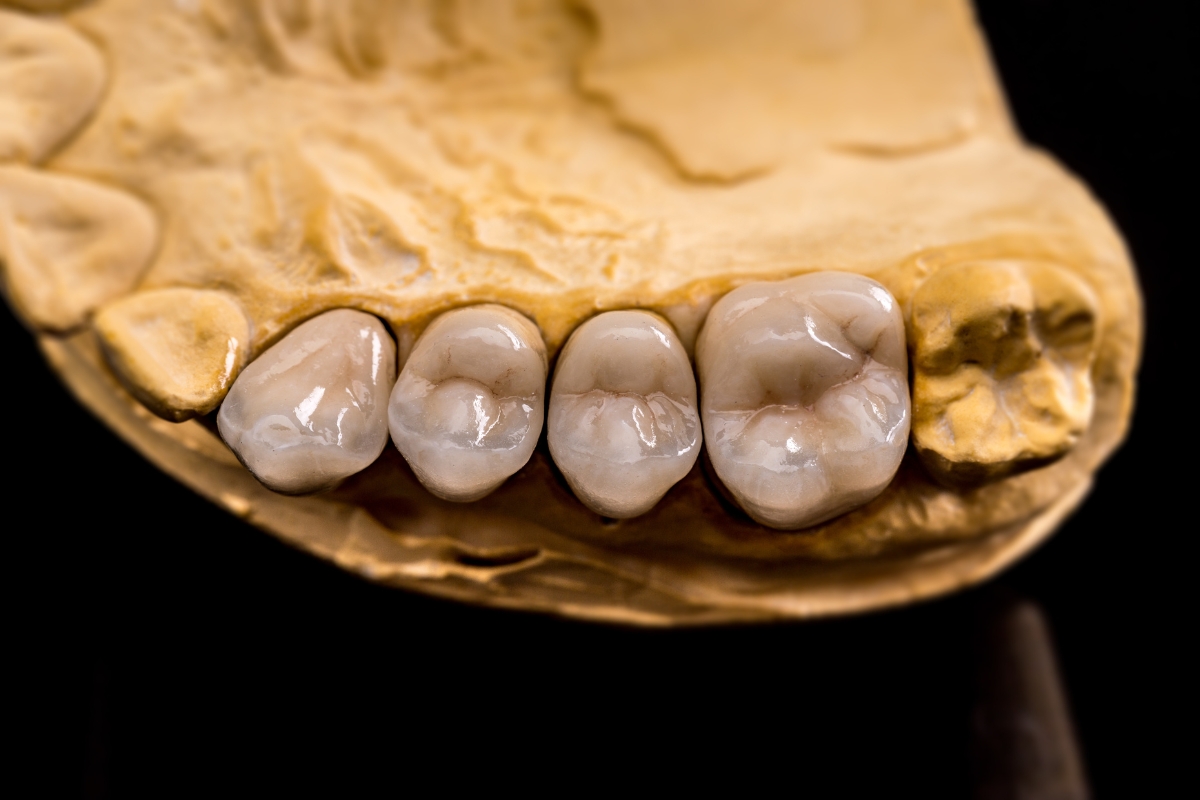
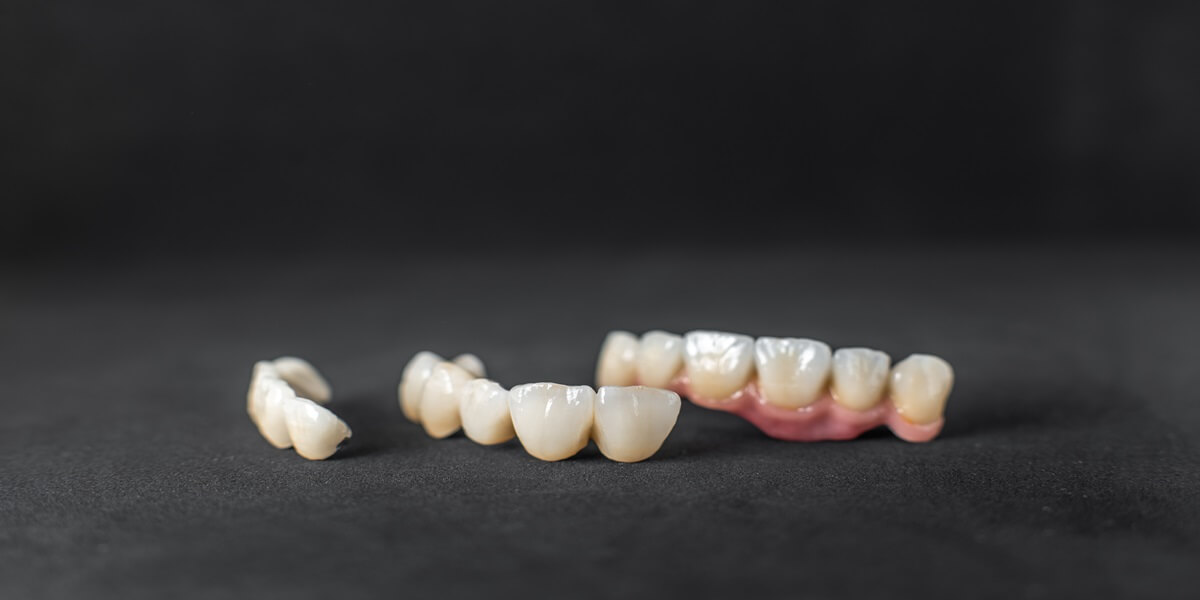
A dental crown is a custom-made cap that fits over a damaged or weakened tooth. Think of it as a protective shell that restores the tooth’s shape, size, strength, and appearance.
Dentists typically recommend a crown when a tooth is:
- Cracked or fractured
- Severely decayed
- Worn down from grinding
- Weakened after a root canal
- Misshapen or discolored beyond whitening
Crowns can be made from porcelain, ceramic, metal, or a combination of materials, depending on the location of the tooth and your specific needs.
Step 1: The Initial Consultation and Exam
Every dental crown procedure starts with a thorough evaluation. Your dentist will examine the tooth, take X-rays, and check the surrounding gum tissue to confirm a crown is the right solution.
During this visit, you’ll also discuss:
- Which crown material fits your bite and budget
- Whether any additional treatment (like a root canal) is needed first
- A timeline for your procedure
This step matters because it sets the foundation for a crown that fits comfortably and lasts for years.
Step 2: Preparing the Tooth
Once your treatment plan is set, the actual preparation begins. Your dentist will numb the area with local anesthesia, so you shouldn’t feel any pain during this part.
Next, the tooth is gently reshaped to make room for the crown. If there’s significant damage, your dentist may need to build up the tooth structure first with a filling material before shaping it.
Taking Impressions
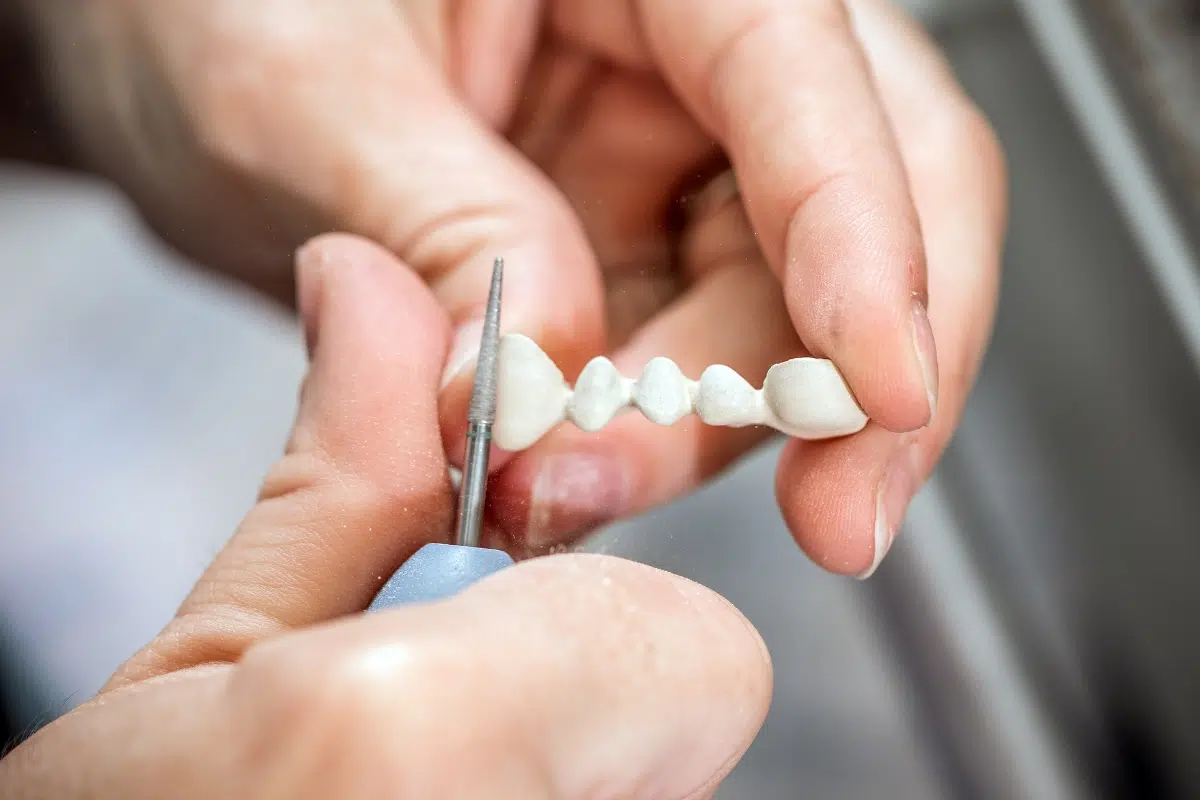
After reshaping, your dentist takes an impression of the tooth, either with a digital scanner or a traditional mold. This impression is sent to a dental lab, where technicians craft your custom crown to match your bite and the color of your natural teeth.
Step 3: The Temporary Crown
Since your permanent crown takes one to two weeks to be fabricated, you’ll wear a temporary crown in the meantime. This protects the prepared tooth from sensitivity and keeps it functional for everyday activities like eating and speaking.
Temporary crowns are usually made of acrylic or composite material. They’re not as strong as permanent crowns, so your dentist will likely recommend:
- Avoiding sticky or hard foods
- Chewing on the opposite side when possible
- Being gentle when brushing and flossing around the area
Step 4: Placing the Permanent Crown
When your custom crown arrives from the lab, you’ll return for your final appointment. Your dentist removes the temporary crown, cleans the tooth, and checks the fit, shape, and color of the permanent crown.
If everything looks and feels right, the crown is bonded into place with a strong dental cement. Your dentist will check your bite one more time to make sure everything aligns comfortably.
This entire visit typically takes less than an hour, and most patients return to their normal routine the same day.
What Does a Dental Crown Procedure Feel Like?
This is one of the most common questions patients ask, and understandably so. Here’s what most people experience:
- During the procedure: Numbness from the anesthesia means little to no pain, just some pressure or vibration.
- After the anesthesia wears off: Mild soreness or sensitivity is common for a day or two.
- With the temporary crown: Slight sensitivity to hot or cold is normal but manageable.
- After the permanent crown is placed: Any lingering sensitivity usually fades within a week as your tooth adjusts.
If you experience sharp pain or ongoing discomfort beyond a few days, it’s worth reaching out to your dentist to have it checked.
Caring for Your Crown Long-Term
A dental crown can last anywhere from 10 to 15 years, or even longer, with proper care. To get the most out of your investment:
- Brush twice daily and floss regularly around the crown
- Avoid chewing on hard objects like ice or pen caps
- Wear a nightguard if you grind your teeth
- Keep up with regular dental checkups and cleanings
Good oral hygiene habits not only protect your crown but also support the health of your surrounding natural teeth.
Why Choose an Experienced Prosthodontist
Not all dental providers have the same level of training in restorative work. Prosthodontists complete additional years of specialized education focused specifically on crowns, bridges, dentures, and complex restorations.
This extra training often means a more precise fit, better aesthetic results, and fewer follow-up adjustments, especially for patients with more complex dental histories.
At Andresen Prosthodontics in Reno, NV, our team focuses exclusively on restorative and prosthetic dentistry. We combine advanced technology with a patient-first approach, so your dental crown procedure feels straightforward from start to finish.
Common Patient Questions
How long does a dental crown procedure actually take?
Most patients need two visits, spaced one to two weeks apart. Each visit typically lasts 60 to 90 minutes, though same-day crown options may be available depending on your case.
Will getting a dental crown hurt?
No, the procedure itself is performed under local anesthesia, so you shouldn’t feel pain. Mild sensitivity afterward is normal and usually resolves within a few days.
Can I eat normally with a temporary crown?
You can eat, but it’s best to avoid sticky, hard, or chewy foods that could dislodge the temporary. Sticking to softer foods for a week or two helps protect it.
How do I know if I need a crown instead of a filling?
A filling works well for smaller areas of decay, while a crown is recommended when a large portion of the tooth structure is compromised or weakened. Your dentist can determine the best option after an exam.
Is a dental crown covered by insurance?
Many dental insurance plans cover a portion of crown costs, especially when the crown is medically necessary. Our team can help you understand your coverage before treatment begins.
How long will my crown last?
With good oral hygiene and regular checkups, most crowns last well over a decade. Avoiding habits like teeth grinding or chewing on hard objects also helps extend their lifespan.
Ready to Restore Your Smile?
A dental crown procedure doesn’t have to be intimidating. With the right dental team guiding you through each step, it’s a straightforward path to a stronger, healthier tooth and a more confident smile.
If you’re in the Reno, NV area and think you might need a crown, or simply want a professional opinion, the team at Andresen Prosthodontics is here to help.
Contactus today for your appointment and let us walk you through a personalized treatment plan designed around your comfort and long-term oral health. Visit us to book your consultation.
Related Articles

New Patients Appointment Welcome!