


Dental implants have become a popular and effective solution for replacing missing teeth. They offer a durable and natural-looking alternative that can significantly improve a person’s smile and overall dental health. At Andresen Prosthodontics, we often receive questions from patients about the care and maintenance of implants. One common question is: Can dental implants get cavities?
The Composition of Dental Implants
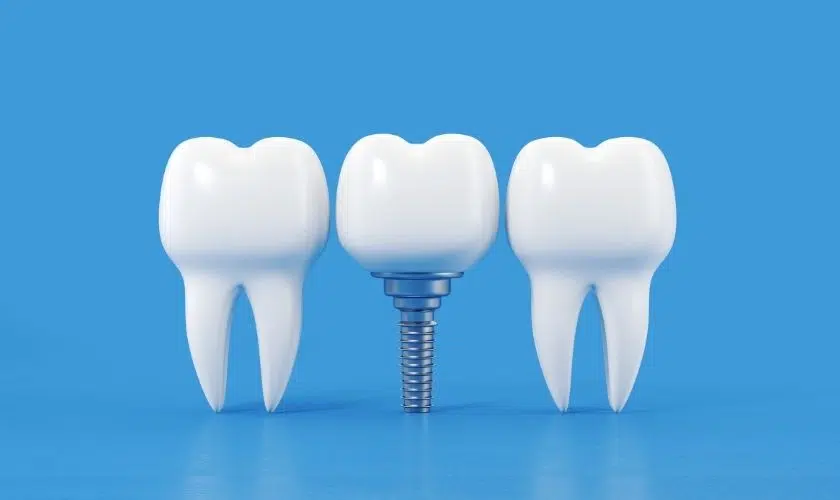
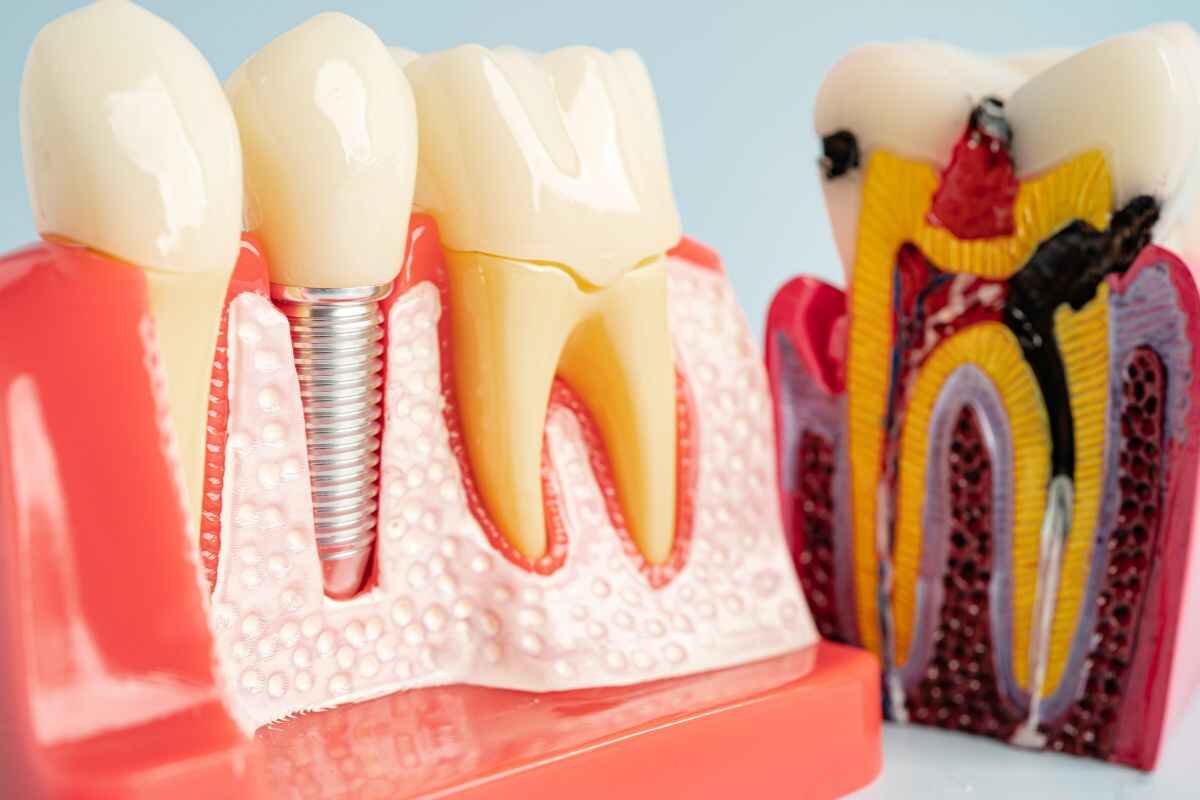
Unlike natural teeth, dental implants are made from materials that do not decay. The implant post is typically made of titanium, a biocompatible material that fuses with the jawbone. The crown is often made from porcelain or ceramic, which are resistant to decay. This means that, technically, dental implants cannot get cavities.
Why Implants Can’t Get Cavities
Cavities, also known as dental caries, are caused by bacteria that produce acids, which erode the enamel of natural teeth. Since dental implants do not have enamel and are not made from materials that can decay, they are immune to cavities.
However, this does not mean that they are maintenance-free. It’s crucial to maintain good oral hygiene and regular dental visits to ensure the longevity and health of your dental implants.
Importance of Oral Hygiene with Dental Implants
While dental implants themselves cannot develop cavities, the surrounding gum tissue and bone can still be affected by poor oral hygiene. This can lead to peri-implant diseases, which are similar to gum diseases that affect natural teeth.
Peri-Implant Mucositis and Peri-Implantitis
- Peri-Implant Mucositis: This is an inflammation of the gum tissue around the implant. It is similar to gingivitis and can be reversed with proper care.
- Peri-Implantitis: This is a more severe condition where the inflammation extends to the bone supporting the implant, potentially leading to bone loss and implant failure.
Maintaining good oral hygiene practices is essential to prevent these conditions. Regular brushing, flossing, and dental check-ups with your dentist are key to keeping your implants healthy.
Tips for Caring for Dental Implants
To ensure the health and longevity, follow these simple yet effective oral hygiene tips:
- Brush Twice a Day: Use a soft-bristle toothbrush and non-abrasive toothpaste to clean your teeth and implants. Be sure to brush all surfaces, including the gums and tongue.
- Floss Daily: Flossing helps remove food particles and plaque from areas that brushing cannot reach. Use floss designed for dental implants or interdental brushes to clean around the implant.
- Use an Antimicrobial Mouthwash: Rinsing with an antimicrobial mouthwash can help reduce bacteria in your mouth and prevent gum infections.
- Regular Dental Visits: Schedule regular check-ups and cleanings with your dentist. Professional cleanings can remove tartar and detect any early signs of problems.
Benefits of Dental Implants
They offer numerous benefits beyond just being cavity-free. They provide a stable and durable solution that can improve your quality of life in many ways.
1. Improved Appearance and Confidence
They look and feel like natural teeth. They are custom-made to match the color and shape of your existing teeth, giving you a seamless and confident smile.
2. Better Oral Health
Dental implants do not require reducing other teeth, as a tooth-supported bridge does. Because nearby teeth are not altered to support the implant, more of your natural teeth are left intact, improving long-term oral health.
3. Enhanced Comfort and Functionality
Dental implants function like your own teeth, allowing you to eat your favorite foods with confidence and without pain. They also eliminate the discomfort and inconvenience of removable dentures.
4. Durability and Convenience
With proper care, dental implants can last many years, often a lifetime. They are also fixed in place, eliminating the need for messy adhesives and the worry of dentures slipping out of place.
In Summary
In summary, while dental implants cannot get cavities, it is crucial to maintain good oral hygiene and regular dental visits to ensure their longevity and overall oral health. At Andresen Prosthodontics, we are dedicated to provide exceptional care for our patients, including those with dental implants. By following proper oral hygiene practices and scheduling regular check-ups with our Reno dentist, you can enjoy the many benefits of dental implants for years to come.
If you have any questions or are considering dental implants in Reno, please contact us at Andresen Prosthodontics. Our team is here to help you achieve and maintain a healthy, beautiful smile.

New Patients Appointment Welcome!