


Dental implants can be a complex topic with many questions surrounding their use, benefits, and care. To help you make an informed decision, we have compiled a list of frequently asked questions about dental implants and provided detailed answers to each one.
Who Is a Good Candidate for Dental Implants?
Most people who have lost teeth are the good candidates, but certain conditions must be met:
- Good Oral Health: Healthy gums and sufficient bone to support the implant are crucial.
- Overall Health: Chronic conditions such as diabetes or heart disease must be well-controlled.
- Non-Smokers: Smoking can interfere with the healing process and reduce the success rate of implants.
What Is the Procedure for Getting Dental Implants?
The dental implant process typically involves several steps:
- Initial Consultation: A comprehensive dental exam, including X-rays, to assess the health of your jawbone and gums.
- Implant Placement: The implant is surgically placed into the jawbone. Healing time can vary from a few months to allow the bone to integrate with the implant.
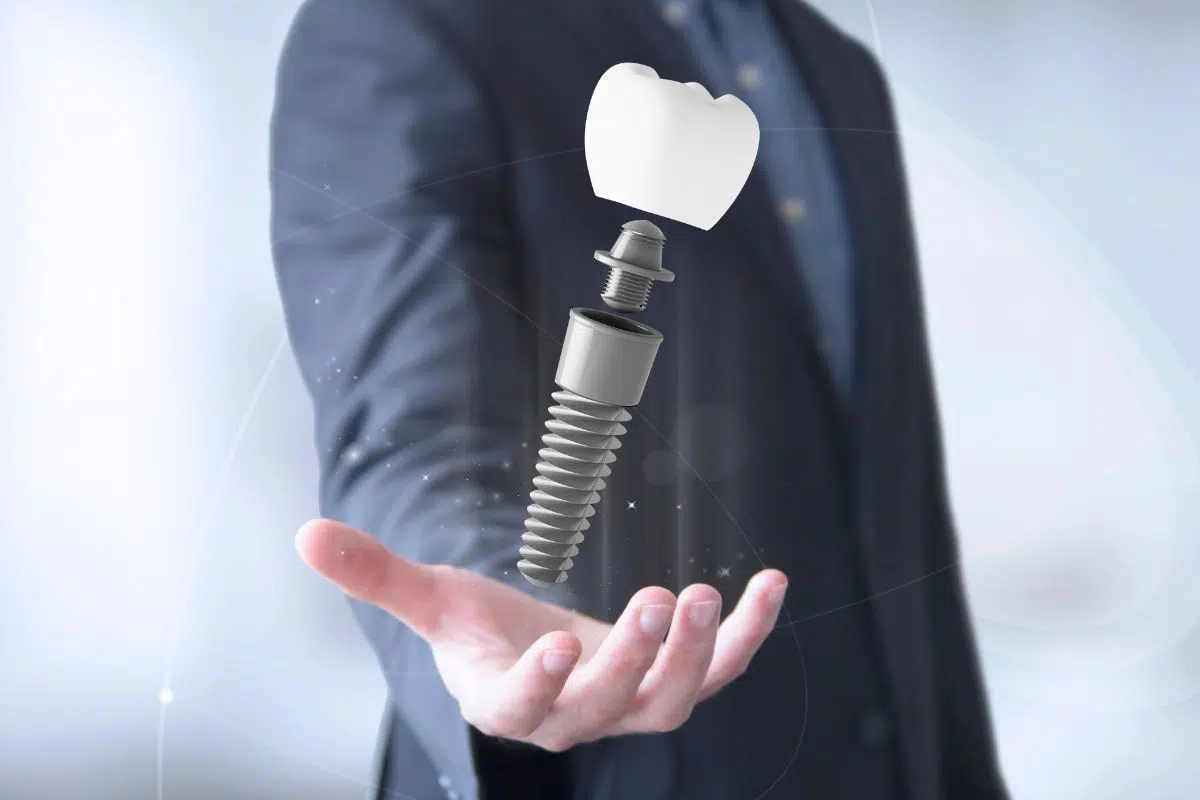
- Abutment Placement: Once the implant has bonded with the bone, an abutment (a connector) is placed on top of the implant.
- Crown Placement: A custom-made crown is attached to the abutment, completing the restoration.
How Long Do Dental Implants Last?
They are designed to be a long-term solution for missing teeth. With proper care, including good oral hygiene and regular dental check-ups, they can last a lifetime. The success rate of dental implants is high, generally around 95% or higher over a decade of use .
Are Dental Implants Painful?
Most patients report that getting dental implants involves less discomfort than a tooth extraction. Local anesthesia is used during the procedure to minimize pain, and any post-operative discomfort can be managed with over-the-counter pain medications. Most patients find the recovery period to be quite manageable.
How Do I Care for Dental Implants?
Caring for dental implants is similar to caring for natural teeth:
- Brush and Floss Daily: Use a soft-bristle toothbrush and low-abrasive toothpaste to clean your teeth and implants.
- Regular Dental Visits: Schedule regular check-ups and professional cleanings.
- Avoid Hard Foods: Refrain from biting on hard objects, which can damage the implant or crown.
Can Dental Implants Fail?
While they have a high success rate, there are instances where they can fail. Factors that may contribute to implant failure include:
- Poor Oral Hygiene: Not maintaining good oral hygiene can lead to infections and implant failure.
- Insufficient Bone: Lack of adequate bone can prevent proper integration of the implant.
- Smoking: Smoking can impede healing and increase the risk of implant failure.
What Are the Advantages of Dental Implants Over Other Tooth Replacement Options?
Dental implants offer several advantages over other tooth replacement options such as dentures or bridges:
- Durability: Implants are a long-term solution that can last a lifetime with proper care.
- Natural Appearance: They look and feel like natural teeth.
- Bone Preservation: Implants help maintain the jawbone’s integrity by preventing bone loss.
- Comfort: Unlike dentures, implants do not slip or cause discomfort.
Are There Any Risks Associated with Dental Implants?
As with any surgical procedure, there are some risks associated with dental implants, although they are rare. Potential risks include:
- Infection: At the implant site, which can be managed with antibiotics and proper care.
- Nerve Damage: This can cause pain, numbness, or tingling in natural teeth, gums, lips, or chin.
- Sinus Issues: When implants placed in the upper jaw protrude into one of the sinus cavities.
How Much Do Dental Implants Cost?
The cost of dental implants can vary depending on several factors, including the number of implants needed, the complexity of the case, and the materials used. While dental implants may have a higher initial cost compared to other tooth replacement options, their durability and longevity can make them a cost-effective solution over time. Many dental offices, including Andresen Prosthodontics, offer financing options to help manage the cost.
What Can I Expect After the Dental Implant Procedure?
After the implant placement, some swelling and discomfort are normal and can be managed with prescribed or over-the-counter pain relievers. Your dentist will provide specific post-operative care instructions to ensure proper healing. It’s essential to follow these instructions closely and attend all follow-up appointments.
Looking For Replacing Your Missing Teeth? Visit Us Today
At Andresen Prosthodontics, we use latest technologies to provide dental implants and ensure our patients get the best results for their missing teeth. Whether you need a full-mouth restoration or a single tooth replacement, we are here to help you achieve a healthy, confident smile.
For more information or a consultation, schedule your appointment online today.

New Patients Appointment Welcome!