



Dental implants have revolutionized the field of dentistry, providing a durable and natural-looking solution for those missing teeth. Choosing the right type of dental implant to meet each patient’s unique needs is crucial. In this blog, we will explore the various types of dental implants available and how they can help restore both the function and aesthetics of your smile. Whether you’re considering implants for a single missing tooth or need a replacement of a complete set of teeth, understanding the options can help you make an informed decision about your oral health.
Understanding Dental Implants
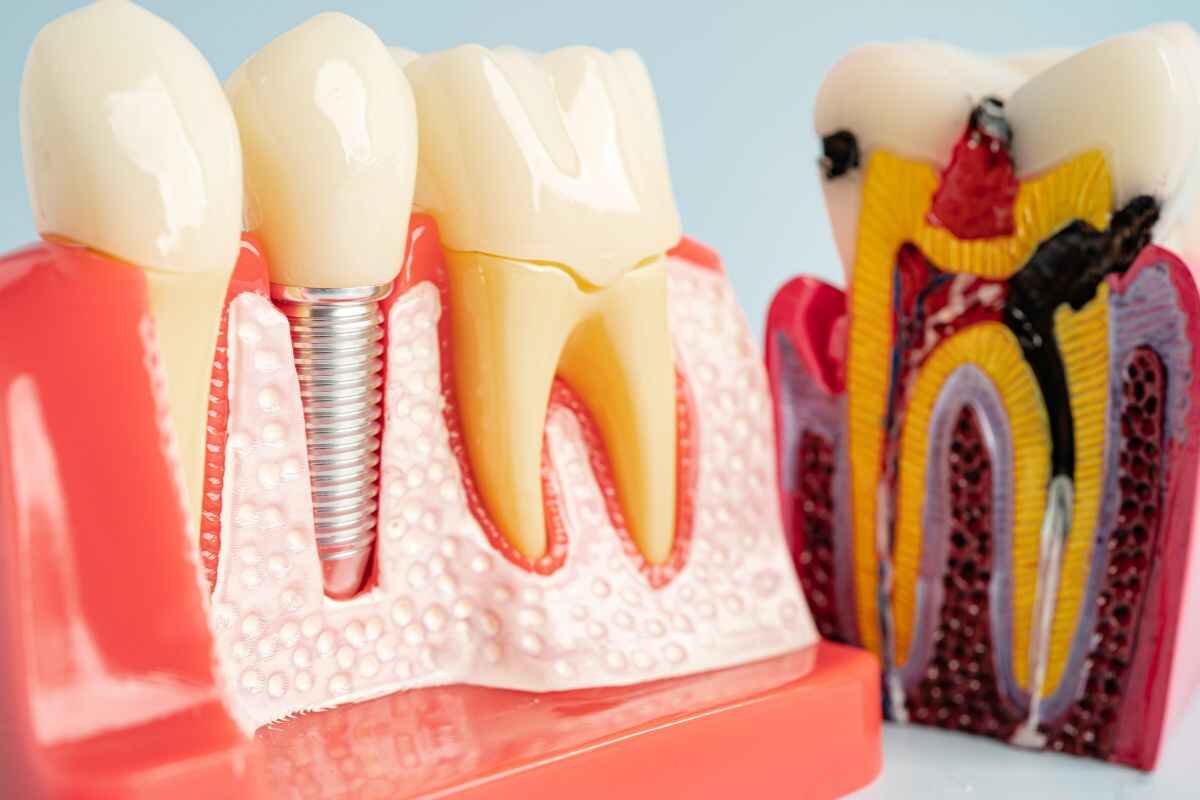
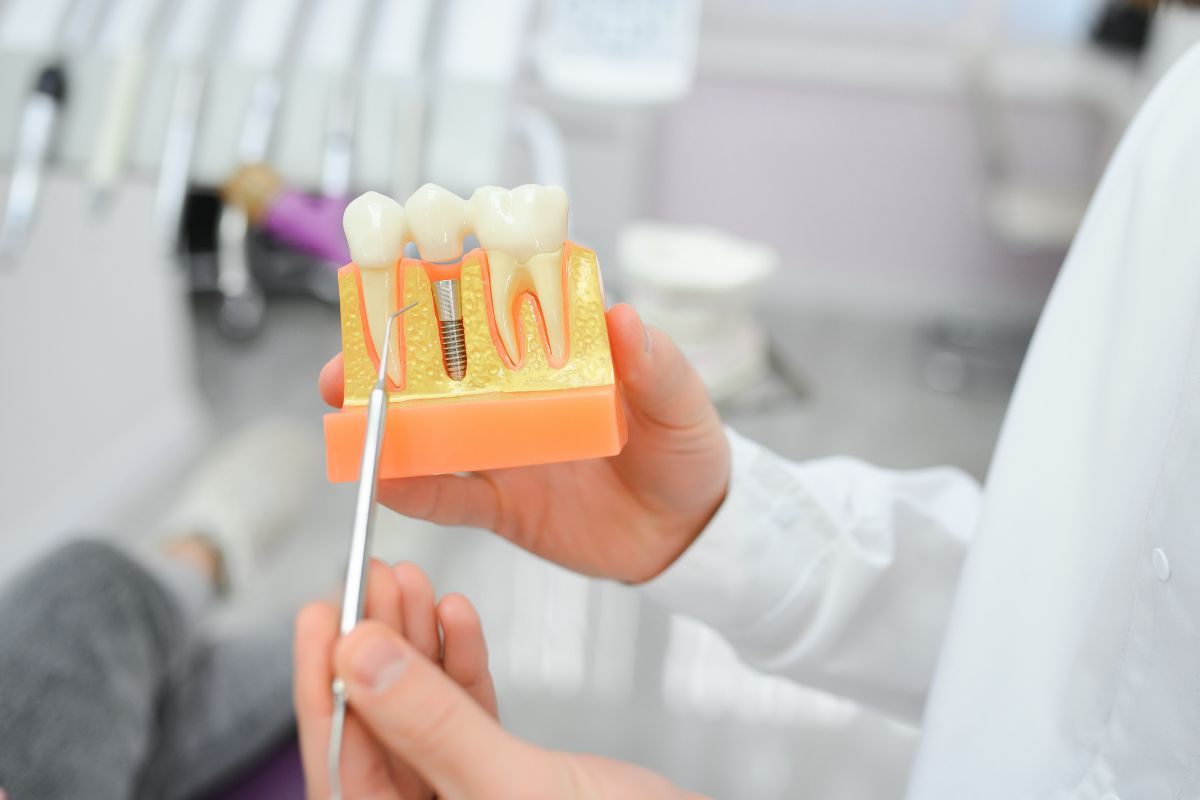
Dental implants are titanium posts that are surgically placed into the jawbone which act as artificial tooth roots. Once the implant integrates with the bone, a dental crown, bridge, or denture is attached to provide a functional and aesthetically pleasing replacement for missing teeth. Dental implants offer several advantages over traditional tooth replacement methods, including improved stability, durability, and a natural appearance.
Types of Dental Implants
There are several types of dental implants available, each designed to meet specific needs and conditions. Here, we will discuss the most common types and their unique benefits.
- Endosteal Implants:
Endosteal implants are the most common type of dental implants. These implants are placed directly into the jawbone and are typically shaped like small screws, cylinders, or blades. Once the implant integrates with the bone, a post is attached, and a dental restoration is placed on top. Endosteal implants are suitable for most patients with sufficient jawbone density and provide excellent stability and support for single crowns, bridges, or dentures.

- Subperiosteal Implants:
Subperiosteal implants are an alternative for patients who do not have enough healthy jawbone to support endosteal implants. Instead of being placed into the jawbone, subperiosteal implants rest on top of the bone, beneath the gum tissue. A metal framework with posts is used to support the dental restoration. While less common than endosteal implants, subperiosteal implants can be a viable option for patients with significant bone loss who are not candidates for bone grafting.
- Zygomatic Implants:
Patients with severe bone loss in the upper jaw can use zygomatic implants. These implants anchor to the zygomatic bone (cheekbone) rather than the maxillary bone (upper jawbone). Zygomatic implants are longer than traditional implants and provide a stable foundation for dental restorations without the need for extensive bone grafting procedures. This type of implant is typically used in complex cases and requires specialized training and experience to place.
- Full Arch Implants:
Full arch implants, also known as implant-supported dentures or All-on-4, are an excellent solution for patients who have lost all or most of their teeth in one or both arches. This method involves placing four to six implants in the jawbone to support a full set of dentures. Full arch implants provide a stable and secure fit, preventing the slipping and discomfort often associated with traditional dentures. They also help preserve the jawbone and maintain facial structure.

Implant-Supported Restorations
Dental implants can support various types of restorations, depending on the number of missing teeth and the patient’s specific needs. Here are the most common types of implant-supported restorations:
- Single Tooth Implants:
A single tooth implant replaces one missing tooth. The implant is placed into the jawbone, and a custom-made dental crown is attached to the post. Single tooth implants provide a natural-looking and functional replacement for a missing tooth without affecting the adjacent teeth.

- Implant-Supported Bridges:
An implant-supported bridge replace multiple missing teeth in a row. Instead of relying on natural teeth for support, the bridge anchors to dental implants. This provides greater stability and helps maintain the integrity of the surrounding teeth and jawbone.
- Implant-Supported Dentures:
Implant-supported dentures offer a more stable and comfortable alternative to traditional removable dentures. Patients can remove the dentures depending on their preferences and the number of implants they have used. Implant-supported dentures help prevent bone loss and provide a secure fit, allowing for easier eating and speaking.

Get Your Natural Smile
Dental implants are a highly effective and versatile solution for replacing missing teeth. Whether you need to replace a single tooth, multiple teeth, or an entire arch, dental implants can provide a stable, durable, and natural-looking result. By understanding the different types of dental implants and their benefits, you can make an informed decision about the best treatment option for your needs.
At Andresen Prosthodontics, we specialize in providing high-quality dental implant services. Our experienced team will dedicatedly help you achieve a beautiful and functional smile. If you’re considering dental implants Reno or have questions about the process, contact us today to schedule a consultation. Let us help you restore your smile and improve your oral health with our expert care and personalized treatment plans.

New Patients Appointment Welcome!