



Dental crowns are a widely-used solution in restorative dentistry, providing a durable and protective covering for damaged or decayed teeth. While they offer both cosmetic and functional benefits, one common question patients have is, “How long do dental crowns last?” The answer depends on several factors, including the type of crown, dental care routine, and lifestyle habits. Let’s explore the lifespan of dental crowns and what you can do to extend their longevity.
Understanding Dental Crowns
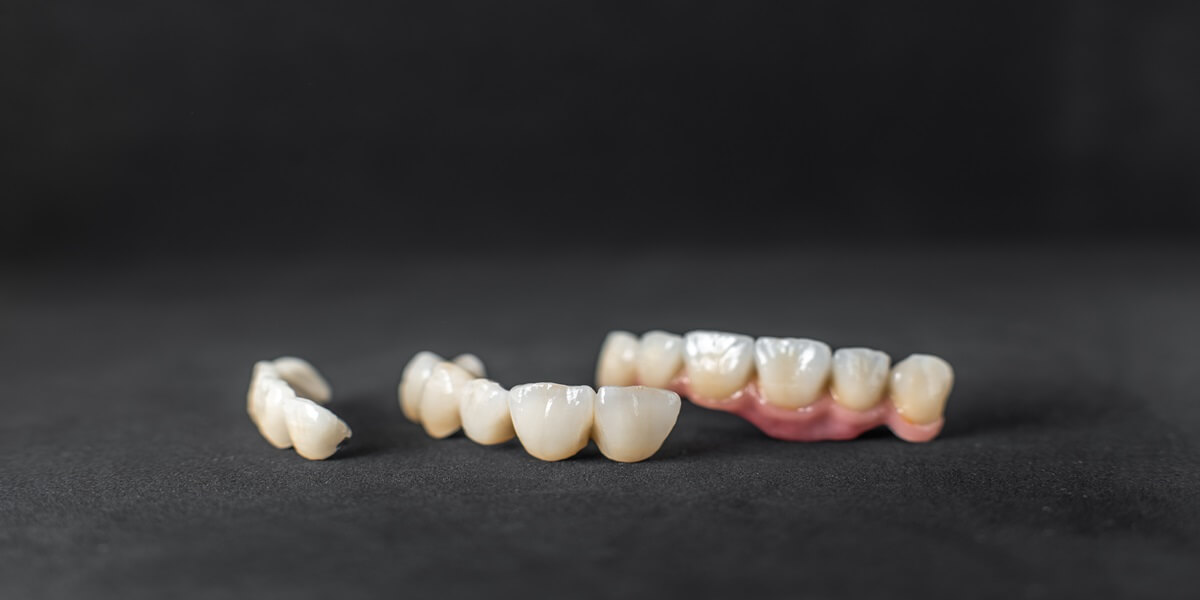
A dental crown is a tooth-shaped “cap” placed over a tooth to restore its shape, strength, and function. Crowns are typically recommended when a tooth is cracked, broken, or heavily decayed and cannot be fixed with a simple filling. They are also used after root canal therapy or to support dental bridges. Crowns protect the tooth from further damage and enhance your overall smile.
There are different types of crowns, each with varying longevity:
- Porcelain Crowns – These are popular for their natural look, mimicking the color and texture of real teeth. Porcelain crowns are often used on front teeth, where appearance matters most. Though aesthetically pleasing, porcelain crowns can be more prone to chipping or wear.
- Metal Crowns – Made from gold, palladium, or other metal alloys, these crowns are extremely durable. They are often used on molars, where strength is prioritized over appearance. While not as discreet as porcelain crowns, metal crowns can last a very long time.
- Porcelain-fused-to-metal (PFM) Crowns – Combining the strength of metal with the natural look of porcelain, PFM crowns offer a balanced option. The porcelain layer may wear down over time, but the underlying metal structure provides a solid foundation.
- Ceramic Crowns – Another natural-looking option, ceramic crowns are often used for both front and back teeth. They are less prone to wear and can withstand moderate pressure.
The Lifespan of Dental Crowns
On average, a well-maintained dental crown can last between 10 to 15 years. However, many crowns can last even longer, up to 20 years or more, with proper care. The longevity of a dental crown largely depends on a combination of factors:
- Material: Metal crowns tend to last longer due to their durability, while porcelain or ceramic crowns may wear down more quickly.
- Oral hygiene: Maintaining good oral health is critical. Regular brushing, flossing, and professional cleanings help prevent decay around the crown and gum disease, which can affect the underlying tooth.
- Bite force: Grinding your teeth (bruxism) or biting into hard objects can cause a crown to chip or crack, reducing its lifespan. Wearing a mouthguard at night can protect both your natural teeth and crowns.
- Dental work quality: A well-placed and fitted crown is more likely to last longer than one that doesn’t fit properly. That’s why it’s important to visit an experienced prosthodontist for crown placement.
- Diet: A diet high in sugar or acidic foods can increase the risk of decay in the tooth under the crown, shortening its lifespan. Limiting sugary snacks and acidic drinks is essential for overall oral health.
Extending the Life of Your Crown
While dental crowns are designed to be durable, they are not indestructible. Here are some tips to help you extend the life of your crown:
- Practice Excellent Oral Hygiene
Brush twice a day using fluoride toothpaste and floss daily to remove plaque and bacteria from between your teeth. Pay special attention to the area around your crown, as this is where decay is most likely to develop. Use an antimicrobial mouthwash to further reduce bacteria.
- Visit Your Dentist Regularly
Routine dental check-ups and professional cleanings are vital. During your visits, your dentist will examine your crowns to ensure they are in good condition and not showing signs of wear or damage.
- Avoid Chewing Hard Foods
Chewing ice, hard candies, or other hard objects can damage your crown. Try to avoid using your crowned tooth to bite into overly hard foods. If you have a habit of teeth grinding or clenching, consult your local dentist about getting a mouthguard.
- Wear a Mouthguard if Necessary
If you grind your teeth at night, wearing a nightguard can protect both your natural teeth and your crown from excessive wear. Mouthguards are particularly important for people who engage in sports or other physical activities that could cause dental injuries.
- Monitor Any Discomfort
If you experience discomfort or notice any changes in how your crown feels, contact your Restorative dentist in Reno promptly. Discomfort could be a sign that your crown needs adjustment or repair.
When Should You Replace a Crown?
Although dental crowns are designed to last many years, they will eventually need
replacement. Some signs that it might be time for a new crown include:
- Visible wear, chips, or cracks in the crown material.
- Discomfort or pain around the crowned tooth.
- Gum recession around the crown, which could expose the tooth underneath.
- Loosening of the crown, which may indicate that the bond between the crown and the tooth is weakening.
If you notice any of these signs, schedule a visit with your dentist in Reno, NV to discuss whether a replacement is necessary.
How Andresen Prosthodontist Can Help Your With Crown in Reno
At Andresen Prosthodontics, we specialize in creating high-quality, long-lasting dental crowns tailored to your needs. As a highly experienced prosthodontist, Dr. Andresen uses state-of-the-art technology to ensure precise and comfortable crown placement. Whether you need a crown to restore a damaged tooth or enhance your smile, our team is dedicated to helping you maintain excellent oral health.
If you are considering dental crowns in Reno, you can feel confident that your smile is in the best hands. For more information about our services or to schedule an appointment, please contact us today.


New Patients Appointment Welcome!