


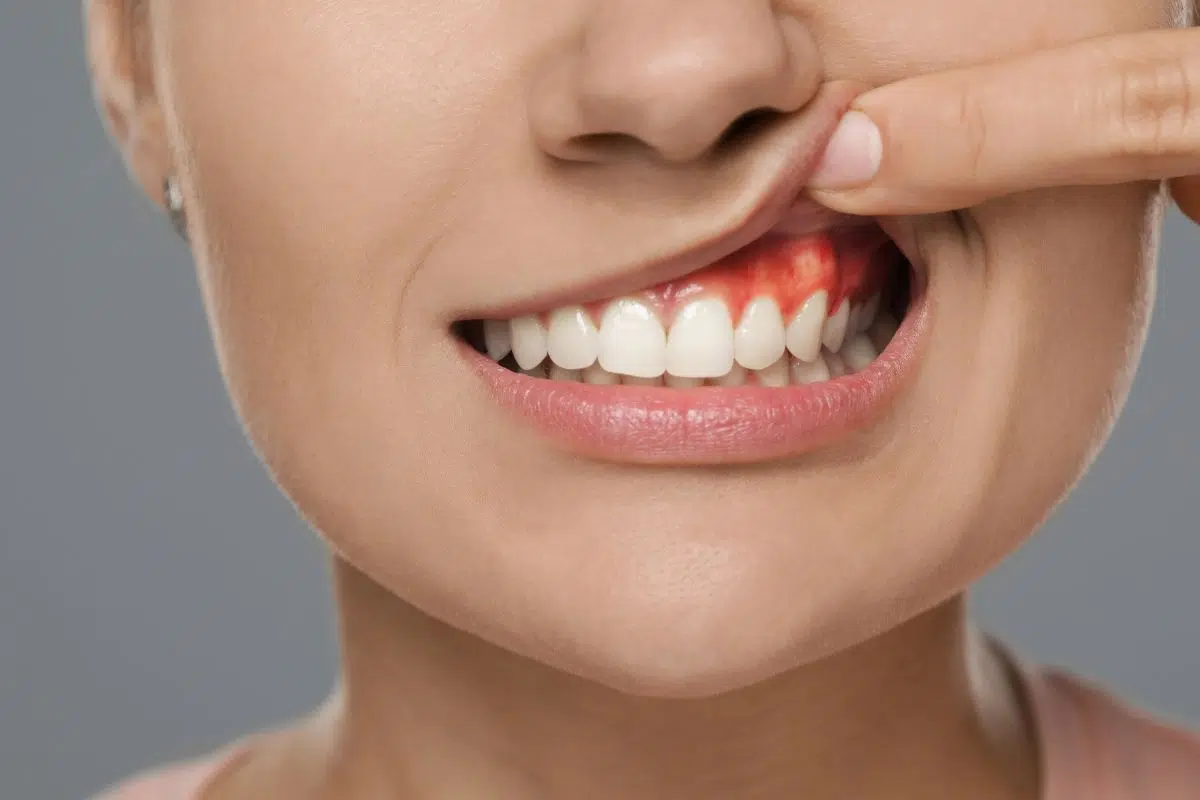
A bright, radiant smile can boost confidence and make a lasting impression. Teeth whitening treatments have become a go-to solution for people aiming to enhance their smile. However, you may wonder whether teeth whitening is safe or advisable if you have gum disease. In its early stages or advanced form, gum disease can make oral tissues more sensitive and vulnerable.
Having known the risk factors and benefits of teeth whitening when gum health is compromised, will help in getting the process with precaution.. Gum disease is an infection of the tissues that support teeth, often caused by plaque buildup. Early symptoms include redness, swelling, and bleeding gums. The condition can lead to receding gums, loose teeth, and even tooth loss in advanced stages.
Given these complications, it’s natural to question whether a cosmetic procedure like teeth whitening could worsen the problem. Suppose you’re considering seeing a cosmetic dentist in Reno, while managing gum disease. Knowing the potential effects and preventive measures you can take to avoid aggravating your condition is essential.
Signs Your Gums Might Be Too Sensitive for Whitening
Gum disease can make your gums extremely sensitive, and any whitening agents that touch these areas could exacerbate the issue. If you notice any symptoms, treating gum disease is better before pursuing whitening treatments. In some cases, treating the gum disease first can improve your overall oral health and make whitening more comfortable down the road.
How Protective Gel Can Reduce Irritation in Gum Disease?
If you’re determined to brighten your smile despite dealing with mild gum disease, there are steps you can take to minimize the risks. One option dental practitioners may offer is using a protective gel during professional teeth whitening treatments. This gel is a barrier between the whitening agents and your gum tissue, preventing direct contact and reducing irritation.
A dentist can apply this gel before starting the whitening process to protect your gums from potential harm. The gel is applied carefully to the gum line, covering areas most susceptible to irritation. In addition, some professional whitening systems use customized trays that fit snugly over your teeth.
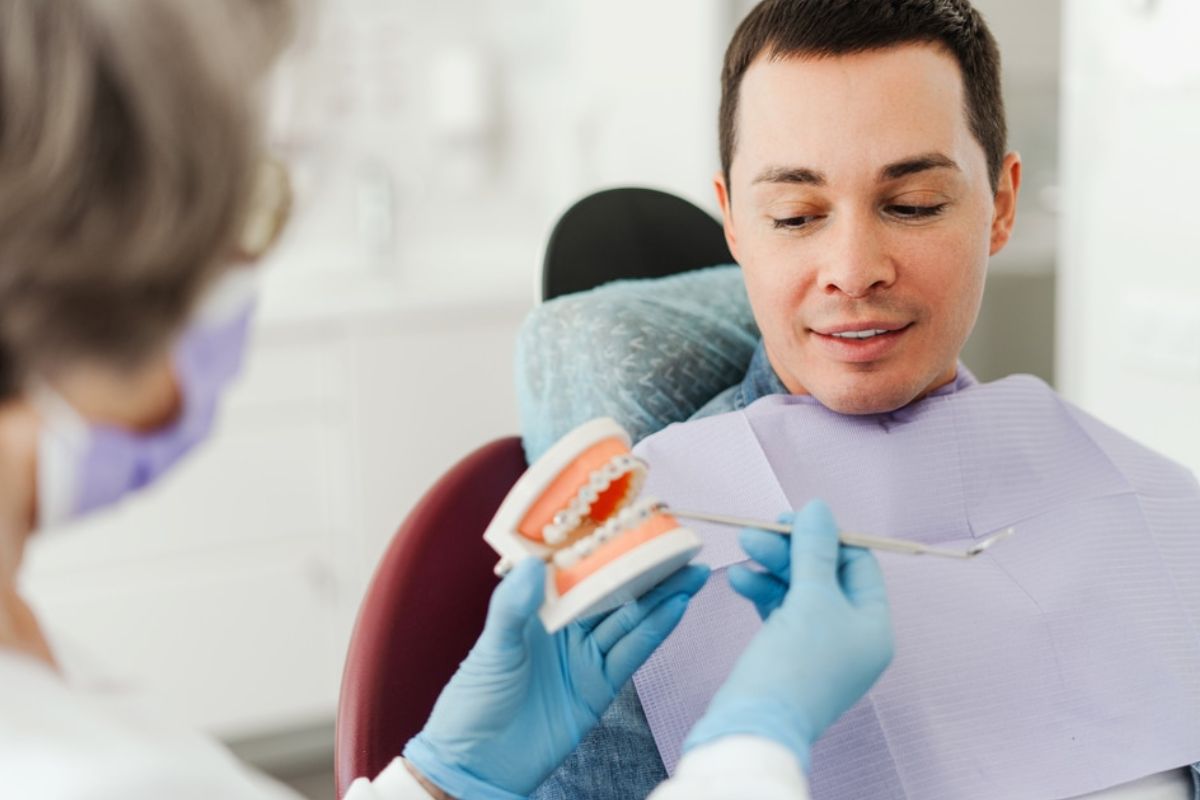
The dentist can minimize the amount of whitening gel that touches your gums. While these measures can help, whitening procedures should be approached with caution. Only your dental professional can properly evaluate whether your gum health can withstand the process.
Aftercare Tips for Whitening with Gum Disease
Proper aftercare is critical to prevent further irritation or damage if you decide to undergo teeth whitening while managing gum disease. Here are some essential tips:
- Use a Desensitizing Toothpaste: You may experience increased sensitivity after whitening, especially if your gums are already inflamed. Desensitizing toothpaste can help soothe discomfort and protect your teeth.
- Rinse with an Anti-Inflammatory Mouthwash: After whitening, your dentist may recommend a mouthwash specifically designed to reduce inflammation. This can help alleviate any irritation caused by the whitening agents.
- Follow a Gentle Oral Hygiene Routine: Continue brushing and flossing, but be gentle. Harsh brushing can further irritate your gums and slow the healing process. A soft-bristled toothbrush is often recommended for those with gum disease.
- Avoid Certain Foods and Beverages: Teeth are particularly porous after whitening, making them more susceptible to staining. For at least 48 hours after the procedure, avoid dark-colored foods and drinks like coffee, tea, and red wine.
The Long-Term Effects of Whitening on Gums
While teeth whitening can deliver noticeable results, it’s essential to understand the long-term effects. It may affect your gum health, particularly if you have gum disease. Over time, repeated whitening treatments can weaken the enamel on your teeth and irritate your gums, making them more prone to infection. This is why it’s crucial to space out whitening treatments and ensure your gums are in optimal health with procedures.
Whitening your teeth while dealing with gum disease is possible but requires careful planning and professional guidance. The key is to ensure that your gum health isn’t compromised. Consulting a dentist in Reno, NV, can help you weigh the benefits and risks. It lets you make the best decision for your teeth and dental health.
While a brighter smile may be tempting, it’s essential to prioritize the long-term health of your gums. If you’re interested in professional whitening options or need more information about protecting your gums. Reach out to Andresen Prosthodontics, a leading teeth whitening in Reno, for expert advice. Schedule an appointment today with us to explore safe, effective teeth whitening options while preserving your oral health.


New Patients Appointment Welcome!