


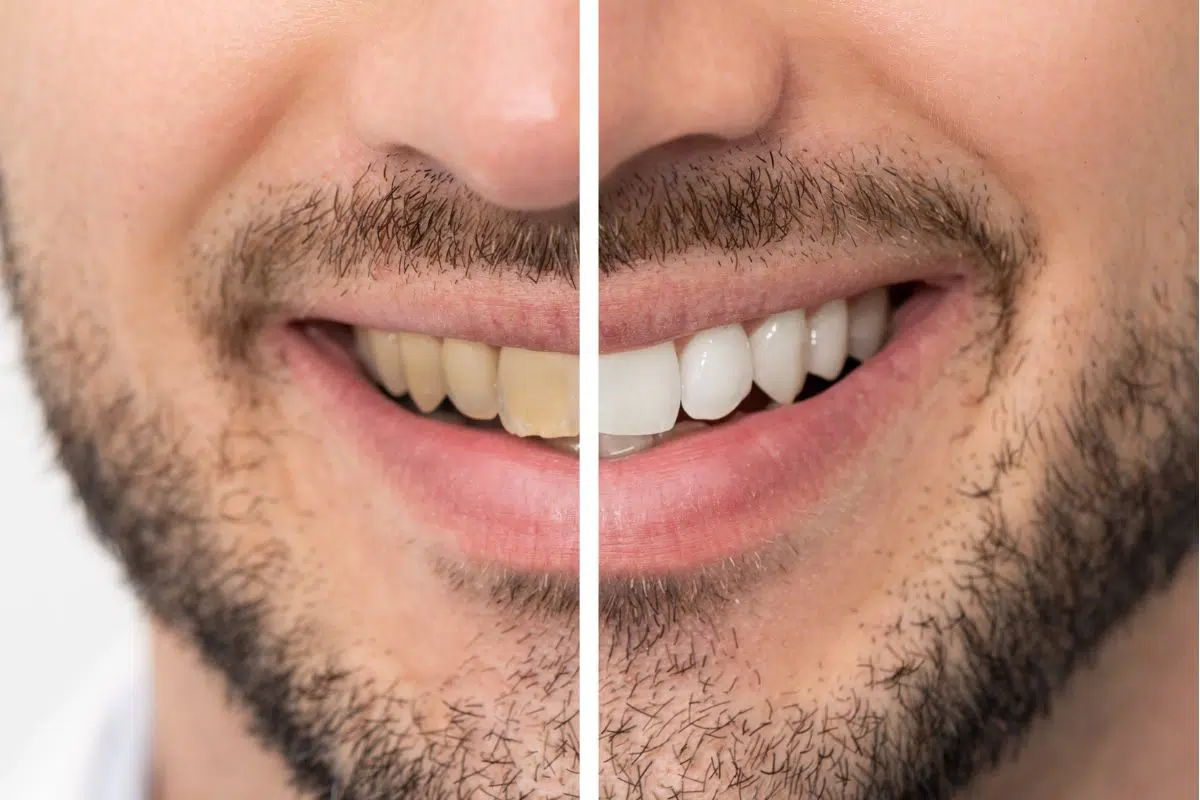
Teeth whitening is one of the most sought-after cosmetic procedures for achieving a radiant smile. It removes stains and discoloration caused by food, beverages, or lifestyle habits. Many people are drawn to the immediate brightness bleaching provides, but post-procedure care is equally important. So, when can you eat normally after undergoing teeth whitening? Here’s everything you need to know.
Why is Teeth Whitening Popular?
Teeth Whitening treatment offers a fast and effective way to enhance your appearance. A bright smile can improve self-esteem, boost confidence, and leave a lasting impression. It’s ideal for people whose teeth are stained by coffee, wine, or aging. However, not everyone is a candidate for dental bleaching. Individuals with oral health issues, such as cavities or gum disease, should address these problems before considering treatment.
Professional whitening is generally safe, but it does leave your teeth temporarily sensitive. This sensitivity is due to the opening of enamel pores during the treatment, which makes teeth more vulnerable to stains. Proper aftercare is crucial for maintaining the treatment’s results and avoiding damage.
When Can You Resume Normal Eating?
After a dental bleaching session, dentists recommend waiting 48 hours before resuming your regular diet. This two-day window allows your teeth to recover and your enamel to re-mineralize. During this period, the pores on the enamel surface remain open, making teeth highly susceptible to discoloration and staining. Consuming the wrong foods too soon can reverse the brightness achieved or lead to uneven staining.
Dentists refer to these 48 hours as the “white diet” period, where patients are encouraged to eat non-staining, gentle foods. The precautions taken during this time can make a big difference in the longevity of your results.
Foods and Drinks to Avoid After Dental Whitening
Knowing what to avoid is key to protecting your newly whitened teeth. Here are a few things you need to avoid.

- Dark-Colored Beverages: Drinks like coffee, tea, red wine, and soda are notorious for staining teeth. If you must consume these beverages, use a straw to minimize contact with your teeth.
- Acidic Drinks: Fruit juices, energy drinks, and alcohol can erode enamel and exacerbate sensitivity, making your teeth more vulnerable.
- Deeply Pigmented Foods: Tomato sauce, soy sauce, and berries contain natural dyes that can discolor your teeth. Avoid them for at least two days after undergoing a dental bleaching session.
- Sugary Treats: Candies and sweets with artificial coloring or high sugar content can lead to staining and weaken your enamel.
- Tobacco Products: Smoking or chewing tobacco can not only stain teeth but also harm your overall oral health.
Safe Foods to Eat Post-Whitening
Thankfully, plenty of foods are safe to enjoy while protecting your results. Stick to these options during the 48-hour recovery period:
- White Meats: Chicken and turkey are excellent choices as they contain no strong pigments.
- Dairy Products: Milk, yogurt, and cheese are gentle on teeth and even help neutralize oral acidity.
- White Vegetables: Cauliflower, peeled potatoes, and mushrooms are safe and nutritious.
- Non-Acidic Fruits: Bananas and peeled apples offer a healthy and safe snack.
- Pasta and Rice: Plain versions without sauces or dyes work well during this time.
Why the 48-Hour Rule Matters?
Skipping the recommended waiting period can lead to immediate re-staining of your teeth. The agents penetrate the enamel to break down stains during the bleaching process. This leaves your teeth in a more porous and sensitive state. While the results are stunning, failing to follow dietary restrictions can undermine the treatment’s effects.
Dentists emphasize the importance of using this time to let the enamel recover fully. This helps reduce sensitivity and ensures your teeth remain bright for as long as possible.
How to Maintain Whitening Results for Longer?
Once you’ve passed the critical 48-hour period, you can gradually return to your everyday eating habits. However, long-term care is essential for preserving your bright smile.
- Brush and Floss Regularly
Maintaining good oral hygiene is vital. Use a soft-bristle toothbrush and fluoride toothpaste to clean your teeth thoroughly.
- Rinse After Meals
If you consume potentially staining foods, rinse your mouth with water to reduce discoloration.
- Schedule Touch-Ups
Professional touch-ups every six months to a year can help maintain the brightness of your smile.
- Avoid Staining Foods and Drinks
Limit consumption of coffee, tea, and wine, or use a straw to minimize their impact.
- Quit Smoking
Tobacco is one of the biggest culprits for discoloration. Quitting will improve both your oral health and your bleaching results.
Teeth whitening is an investment in your smile and confidence. Undergoing these procedures makes your pearly whites a few shades lighter. Follow the post-whitening guidelines carefully. The first 48 hours are crucial for protecting your teeth from staining and ensuring long-lasting results. Stick to a “white diet,” avoid highly pigmented or acidic foods, and maintain excellent oral hygiene.
By taking these simple steps, you can enjoy a brighter, healthier smile for months. Consult your dentist for personalized advice and schedule regular check-ups to keep your teeth in shape.


New Patients Appointment Welcome!