


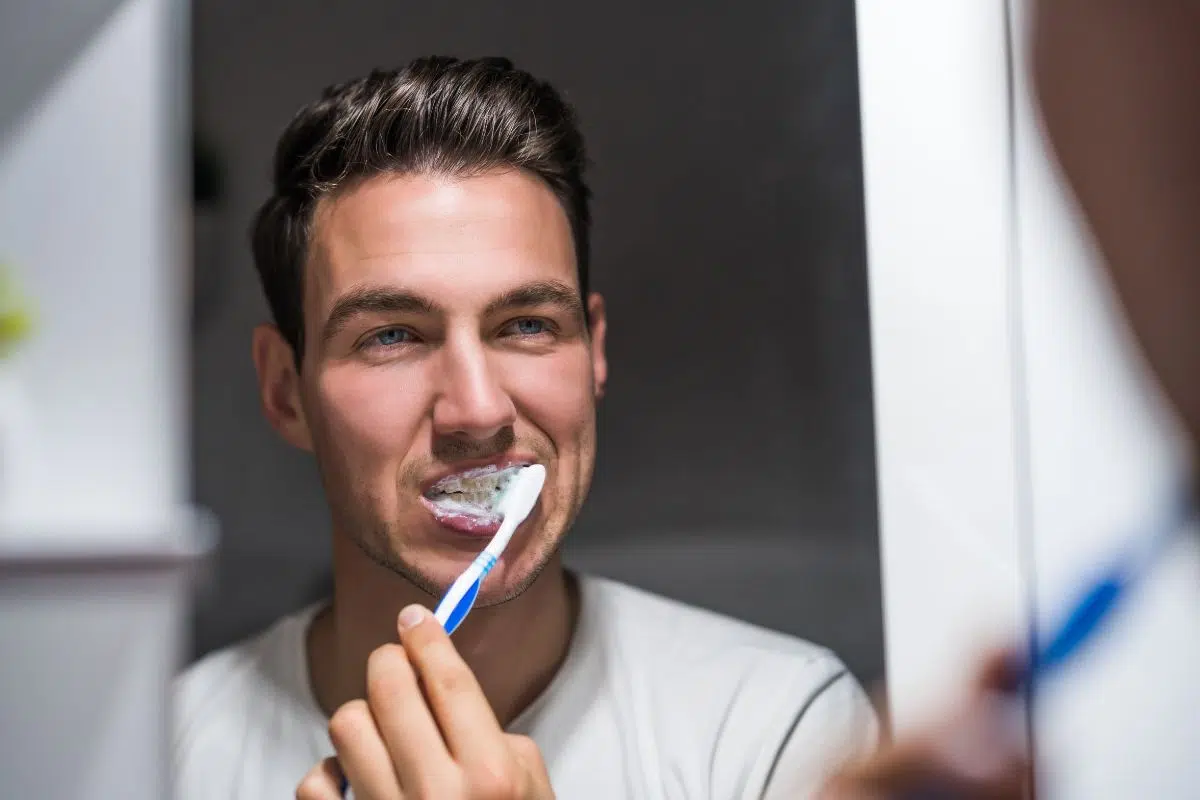
Teeth whitening strips are a popular option for brightening your smile at home. They’re easy to use, effective, and convenient. However, many wonder whether brushing teeth after using these strips is a good idea. If you are having the same query, this blog is for you.
Keep scrolling below to explore whether it is safe to brush immediately after teeth whitening. Here, you will also learn tips on maintaining your radiant smile without harming your oral health.
How Do Teeth Whitening Strips Work?
Whitening strips contain hydrogen peroxide or carbamide peroxide, which helps to break down the stains on your teeth. They are designed to be worn for a certain period, between 20 and 30 minutes, to achieve noticeable brightness. Once the strips are removed, your teeth may feel sensitive or vulnerable.
Should You Brush After Whitening Strips?
Some dentists don’t recommend brushing your teeth right after using bleaching strips. While oral hygiene is important, doing so immediately after whitening can cause damage to your enamel. Here’s why:
- Enamel Sensitivity: Whitening products can temporarily soften the enamel on your teeth. When you brush right after applying the strips, it may lead to enamel abrasion. This can often weaken the tooth’s surface over time, increasing sensitivity and the risks of pain and damage.
- Gum Irritation: The chemicals in tooth bleaching agents may also irritate your gums. Scrubbing your teeth immediately after using the strips can exacerbate this irritation. This is more likely to occur, especially if you use a hard-bristled toothbrush or apply too much pressure. It’s best to avoid brushing right after applying bleaching products to give your gums time to recover.
When Should You Brush?
Tough brushing immediately after applying strips isn’t ideal, it doesn’t mean you should skip brushing entirely. Here’s when and how to brush your teeth safely:
- Wait 30 Minutes: After removing the strips, wait about 30 minutes before brushing your teeth. This allows your enamel to harden and reduces the risk of abrasion. If you’re concerned about any leftover product on your teeth, rinse your mouth with water or mouthwash before brushing.
- Use a Soft-Bristled Toothbrush: When you brush, use a soft-bristled toothbrush to avoid damaging your enamel or gums. Soft brushes are gentle yet effective, helping you maintain a clean mouth without the risk of irritation.
- Avoid Abrasive Toothpaste: When brushing after whitening, use a non-abrasive toothpaste. Some toothpaste may contain ingredients that could be too harsh on sensitive teeth. Opt for a fluoride toothpaste that is gentle and helps protect enamel.
Tips for Maintaining a Bright Smile
To maintain your results and avoid any damage after using tooth bleaching strips, follow these tips:
- Stay Hydrated: Drink plenty of water after whitening to help rinse off any remaining gel and prevent tooth sensitivity. Water also helps wash away acids and bacteria that can stain your teeth.
- Avoid Staining Foods and Drinks: After using strips, your teeth may be more susceptible to staining. Avoid coffee, tea, red wine, and other staining foods for at least a few hours post-bleaching.
- Limit Acidic Foods: Acidic foods like citrus fruits, soda, and vinegar can increase tooth sensitivity. Avoid them right after whitening to protect your enamel.
- Use a Fluoride Rinse: Fluoride helps remineralize enamel and reduce sensitivity. To enhance your oral care routine, consider using a fluoride mouthwash after bleaching.
- Touch-Up Treatments: Over time, your teeth may lose some whiteness. Periodically using bleaching strips or undergoing teeth whitening can help maintain that radiant smile without overdoing it.
Brushing your teeth immediately after bleaching strips is not recommended due to potential enamel damage and gum irritation. However, waiting for some time before applying a toothbrush allows you to protect your enamel and maintain an illuminated smile. Use a soft-bristled toothbrush and non-abrasive toothpaste, and be mindful of your diet to keep your teeth looking their best. With proper care, whitening strips can be an effective and safe way to brighten your smile without compromising oral health.
Ready to turn your teeth a few shades lighter? At Andresen Prosthodontics, we help you flaunt a radiant smile with professional whitening treatment. To make an appointment, contact us today to schedule your appointment and eliminate the discoloration and stains from your teeth with safe dental bleaching services.
Frequently Asked Questions
1. Can I brush my teeth right after using whitening strips?
Yes, you can brush your teeth after using whitening strips, but it’s recommended to wait about 30 minutes. Brushing immediately may cause sensitivity or irritation, especially if the whitening agents have temporarily weakened your enamel.
2. Why do my teeth feel sensitive after using whitening strips?
Whitening strips contain peroxide, which can temporarily increase tooth sensitivity by penetrating the enamel. Brushing right after can exacerbate this sensitivity, especially with abrasive toothpaste or a hard-bristled brush.
3. Should I brush before or after whitening strips for best results?
Brushing before applying the strips is generally recommended to remove plaque and ensure better contact with the enamel. Avoid brushing immediately after to give your enamel time to recover.
4. What kind of toothpaste should I use after whitening strips?
Use a toothpaste designed for sensitive teeth, preferably one that’s non-abrasive and contains fluoride. This helps soothe any sensitivity and protect your enamel without undoing the whitening effects.


New Patients Appointment Welcome!