



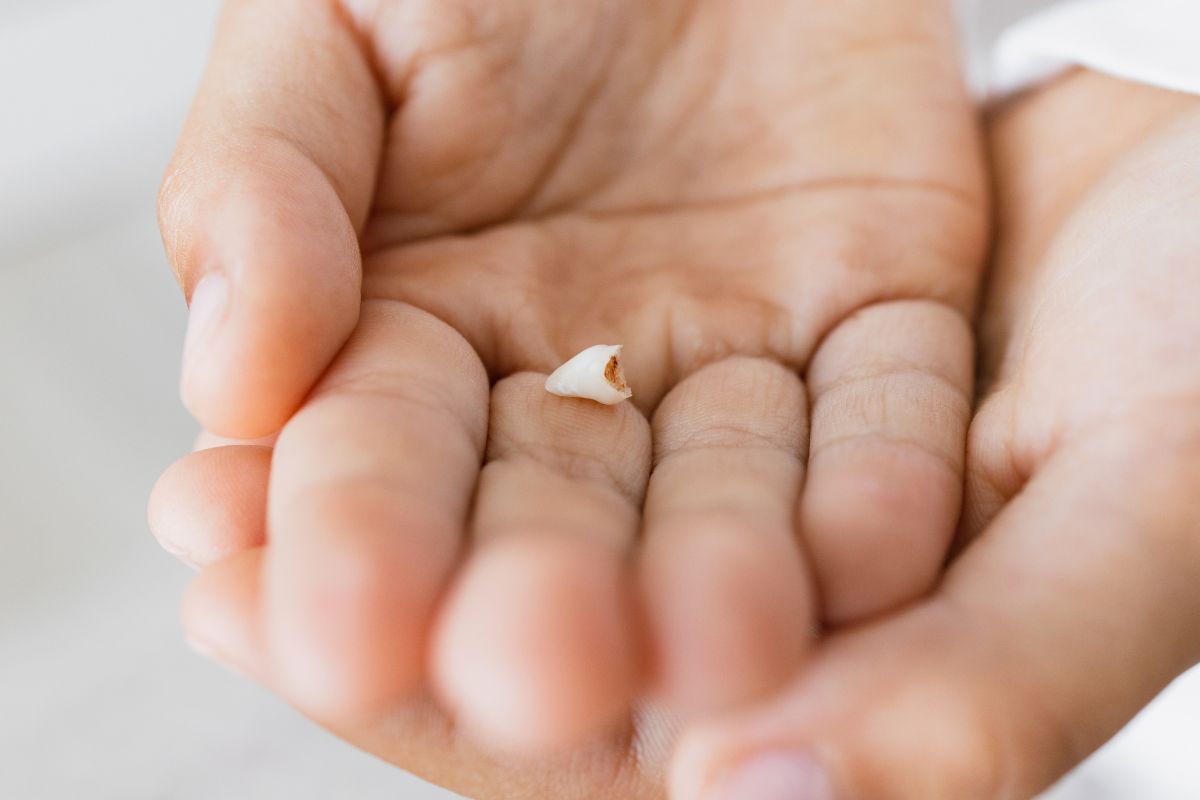
When a tooth has already been treated with a root canal, it’s easy to assume it’s safe from future problems. But sometimes, that same tooth can fracture or break and leave you wondering if it can still be saved or if extraction is the only option.
In many cases, a broken root canal–treated tooth can be restored with the right approach and expertise.
Why Root Canal–Treated Teeth Can Break
After a root canal, a tooth no longer has its natural nerve and blood supply. This makes it more brittle and prone to cracking, especially if it wasn’t protected with a proper crown afterward. Everyday wear, teeth grinding, or biting down on something hard can also cause fractures.
The extent and location of the break determine whether the tooth can be saved.
Assessing the Damage: The First Step
Every case starts with a detailed evaluation. We use visual examination and dental imaging to determine:
- How deep the fracture extends (above or below the gumline)
- Whether the root structure is intact
- The condition of any previous filling or crown
If the break is confined to the upper part of the tooth or just slightly below the gumline, restoration is often possible. But if the fracture extends deep into the root or compromises the foundation of the tooth, extraction may be the only predictable option.
Common Restoration Options
Depending on the tooth’s condition, several treatment approaches can preserve it:
1. Full-Coverage Crown
A dental crown is often the best way to restore strength and function. It covers the entire visible part of the tooth, protecting it from further damage. In many cases, we place a post inside the root canal to help anchor the crown securely.
2. Core Build-Up and Post Placement
If a significant portion of the tooth is missing, a core build-up recreates its inner structure. A small post may be used inside the canal to reinforce it, creating a solid foundation for the crown.
3. Crown Lengthening or Gum Recontouring
If the fracture extends just below the gumline, a minor surgical procedure called crown lengthening can expose more of the healthy tooth structure, allowing us to restore it instead of removing it.
4. When Extraction Becomes Necessary
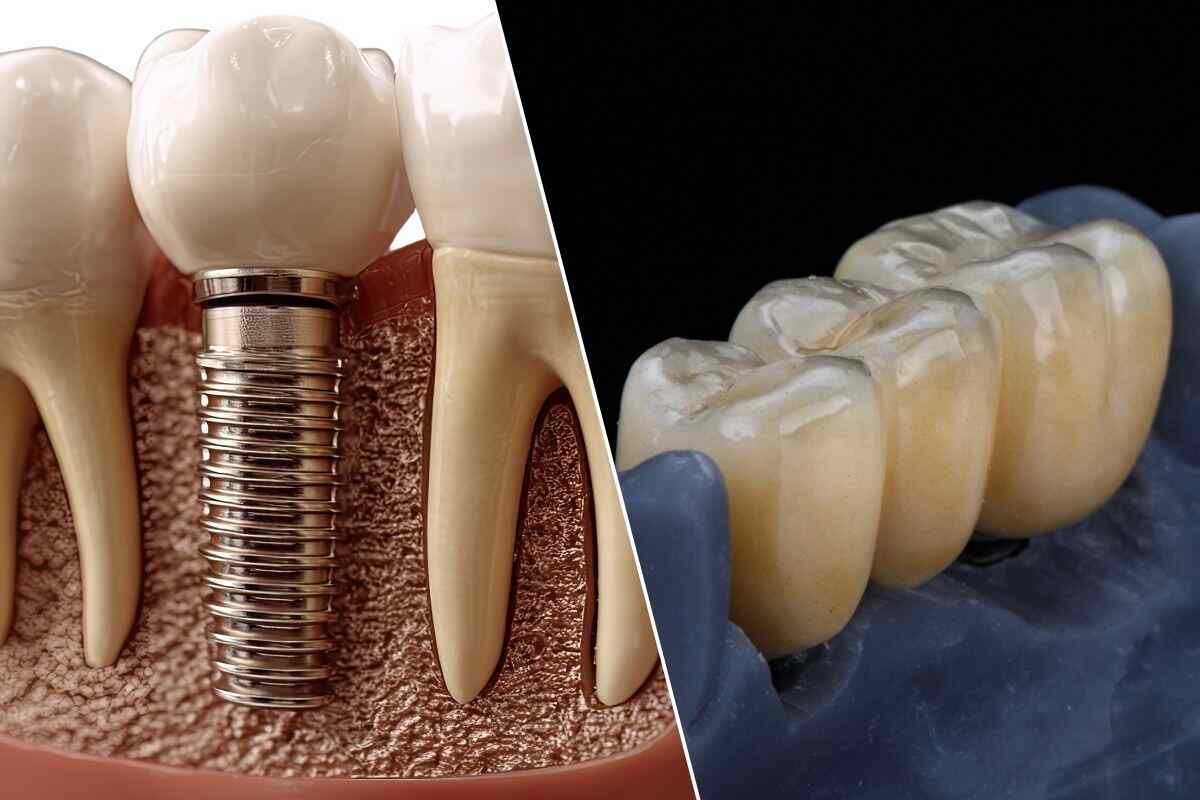
In cases where the fracture splits the tooth vertically into the root, saving it may not be feasible. In such situations, replacing the tooth with a dental implant or bridge is often the healthiest long-term solution.
How to Prevent a Restored Tooth from Breaking Again
Even after repair, care and maintenance matter. Here are some simple but effective steps:
- Avoid biting down on hard foods or objects.
- Wear a nightguard if you grind your teeth.
- Schedule regular dental checkups to monitor crown integrity.
- Maintain daily brushing and flossing to protect the surrounding gums and bone.
How Restorative Dentistry Can Help
When a root canal–treated tooth fractures, restorative techniques can often bring it back to full function and strength without the need for extraction.
Through modern restorative dentistry services, we can:
- Reinforce weakened tooth structure using post-and-core systems that rebuild the inner foundation of the tooth.
- Protect and strengthen the tooth with a full-coverage dental crown, designed to handle daily biting forces.
- Recreate missing portions with durable, tooth-colored materials that restore the tooth’s shape and appearance.
- Stabilize surrounding tissues like gums and bone, through careful restoration planning that preserves oral health in the long term.
Restore and Protect Your Smile with Andresen Prosthodontics
If you’ve noticed a broken or painful tooth that has already undergone a root canal, we can help determine whether it can be restored and avoid unnecessary extraction.
Contact us today to schedule a consultation and schedule your visit to our dental practice near Midtown, Reno. Let us help you preserve your natural smile with expert care.
Frequently Asked Questions
1. Can a root canal–treated tooth break easily?
Yes, a root canal–treated tooth can become more brittle over time because it no longer receives nourishment from its inner pulp. Without that internal moisture, it’s more vulnerable to fractures if it wasn’t protected with a crown. That’s why restoring and reinforcing the tooth after treatment is so important.
2. How do I know if my root canal tooth is cracked or broken?
Common signs include pain when chewing, sudden sensitivity, or feeling a rough edge on the tooth. Sometimes, a hairline fracture may not be visible but can still cause discomfort. A dental evaluation with X-rays or 3D imaging is the best way to determine the extent of the damage.
3. Can a broken root canal tooth always be saved?
Not always, but many can be restored successfully. If the fracture affects only the crown or slightly extends below the gumline, restorative treatments like crowns, posts, or core build-ups can often save it. However, if the crack runs deep into the root, extraction may be the healthiest option to prevent infection or bone loss.
4. What’s the best way to protect a root canal–treated tooth after it’s restored?
Avoid biting hard foods, use a nightguard if you grind your teeth, and maintain regular checkups. Proper oral hygiene and timely restoration like getting a full crown will greatly reduce the risk of future breakage. Your dentist can also guide you on personalized care based on your bite and tooth structure.

New Patients Appointment Welcome!