



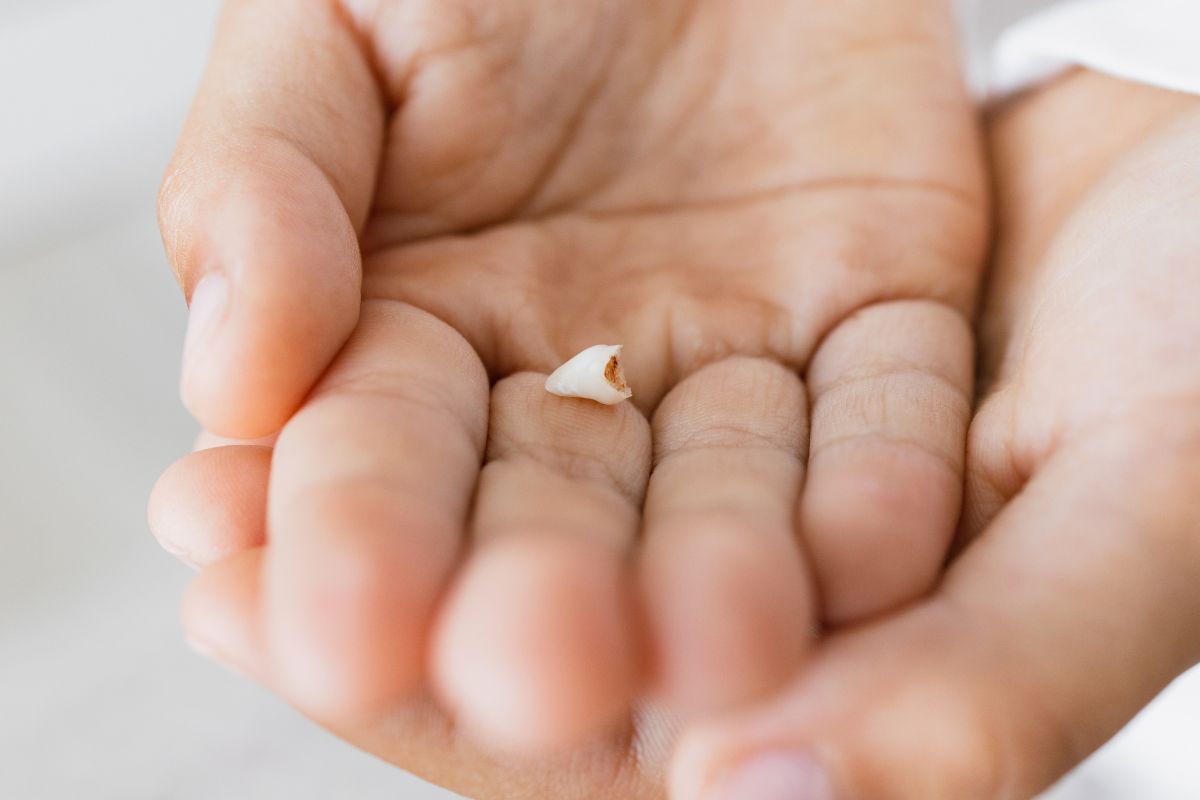
When a tooth is lost or significantly damaged, the surrounding structures begin to shift. Adjacent teeth may tilt, the opposing tooth can over-erupt, and the jawbone in that area starts to shrink due to lack of stimulation. Patients often notice:
- Difficulty chewing certain foods
- Changes in speech clarity
- Jaw discomfort or bite imbalance
- A gradual change in facial structure
Replacing missing or damaged teeth restores oral function and aesthetics, with options ranging from permanent, natural-feeling dental implants to fixed bridges and removable dentures. In a place like Reno, where an active lifestyle is part of everyday life, ignoring tooth loss can gradually limit your comfort and confidence.
Key Tooth Replacement Options
No single solution fits every patient. We consider your oral health, bone support, lifestyle, and long-term goals before recommending a plan.
Dental Implants: A Stable, Long-Term Solution
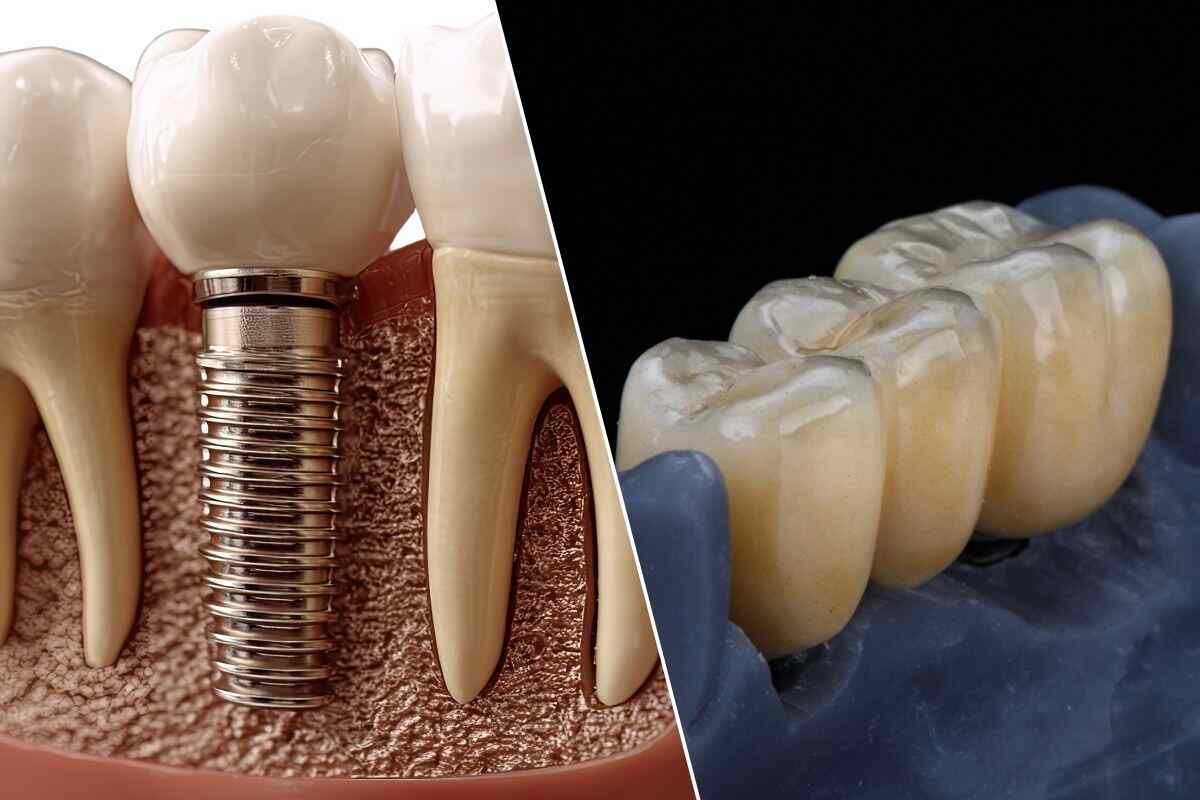
Dental implants are widely regarded as the most reliable way to replace missing teeth. They function like artificial tooth roots, integrating with the jawbone and supporting a crown.
Why many patients in Reno prefer implants:
- They feel and function like natural teeth
- Help maintain jawbone density
- Do not rely on neighboring teeth for support
- Long-lasting with proper care
Implants are especially useful for patients who want a fixed solution that doesn’t move or require removal.
Dental Bridges: Filling the Gap Effectively
A dental bridge replaces one or more missing teeth by anchoring to adjacent natural teeth or implants.
When bridges make sense:
- When adjacent teeth already need crowns
- When implant placement is not ideal
- When a quicker solution is preferred
Bridges restore chewing ability and aesthetics, though they do require support from nearby teeth.
Dentures: Practical and Customizable
Dentures remain a dependable option, especially when multiple teeth are missing.
Modern dentures offer:
- Improved fit and comfort compared to older designs
- Options for full or partial tooth replacement
- Affordability and adaptability
For patients seeking more stability, implant-supported dentures can provide a secure fit without slipping.
Crowns: Restoring Damaged Teeth
Not all teeth need replacement, some can be preserved. A dental crown covers and strengthens a weakened or broken tooth.
We recommend crowns when:
- A tooth is cracked or heavily filled
- After root canal treatment
- To restore shape and function
Preserving your natural tooth structure whenever possible is always our first approach.
Choose the Right Solution for You
The most common question is – “What is the best way to replace missing teeth?” The answer depends on a few key factors:
- Bone health: Adequate bone is essential for implants
- Number of missing teeth: Single vs. multiple gaps
- Budget considerations: Different solutions vary in cost
- Lifestyle needs: Fixed vs. removable preferences
At Andresen Prosthodontics In Reno, we see many patients who enjoy outdoor activities and want solutions that feel secure during movement. In such cases, implants or implant-supported options often provide better confidence.
What Happens If You Delay Treatment?
Delaying tooth replacement can make future treatment more complex. Over time, you may experience:
- Bone loss that limits implant placement
- Increased wear on remaining teeth
- Changes in bite alignment
- Higher long-term treatment costs
Early intervention allows the dentists to keep treatment simpler and more predictable.
When Should You See a Prosthodontist?
If you have:
- One or more missing teeth
- A broken or severely worn tooth
- Difficulty chewing or discomfort
It’s worth getting a professional evaluation. Prosthodontists specialize in complex restorations and can guide you through options that general dentistry alone may not fully address.
Maintaining Your New Teeth
Regardless of the solution you choose, long-term success depends on proper care:
- Brush and floss consistently
- Attend regular dental visits
- Avoid excessive force (such as chewing ice)
- Use protective appliances if you grind your teeth
Well-maintained restorations can last many years and continue to function like natural teeth.
Replace Your Teeth with Confidence
If you’re dealing with missing or damaged teeth, you don’t have to adapt your life around discomfort or limitations. At Andresen Prosthodontics, we follow a structured approach: Comprehensive evaluation, Personalized treatment plan, Treatment phase, Final restoration and adjustments, Post treatment care guide.
Contact us today to schedule your appointment and let us help you get back to eating, speaking, and living comfortably.
Frequently Asked Questions
1. Can missing teeth affect my overall health beyond my mouth?
Yes, and this is often overlooked. Missing teeth can limit what you eat, leading to poor nutrition over time. In some cases, improper chewing may even affect digestion. We also see patients develop jaw strain or headaches due to bite imbalance. Replacing teeth is not just about appearance, it supports your overall well-being.
2. Will my face shape change if I don’t replace a missing tooth?
It can, especially if the tooth has been missing for a while. The jawbone in that area begins to shrink without stimulation, which may lead to a slightly sunken or aged appearance. This is more noticeable when multiple teeth are missing. Certain solutions, particularly implants, help preserve bone and maintain facial structure.
3. Is it possible to replace teeth if I’ve had them missing for many years?
Yes, though the approach may be different. Long-term tooth loss often leads to bone loss, which can affect treatment options. In such cases, we may consider procedures to rebuild support before placing a restoration. A detailed evaluation helps determine what’s realistically achievable and stable in the long run.
4. How do I know if my damaged tooth should be saved or replaced?
That decision depends on how much healthy structure remains and whether the tooth can function reliably after treatment. In many cases, we can preserve a tooth with a well-designed crown. However, if the damage extends below the gum line or compromises stability, replacement may be the more predictable option. We always weigh longevity and function before recommending either path.

New Patients Appointment Welcome!