


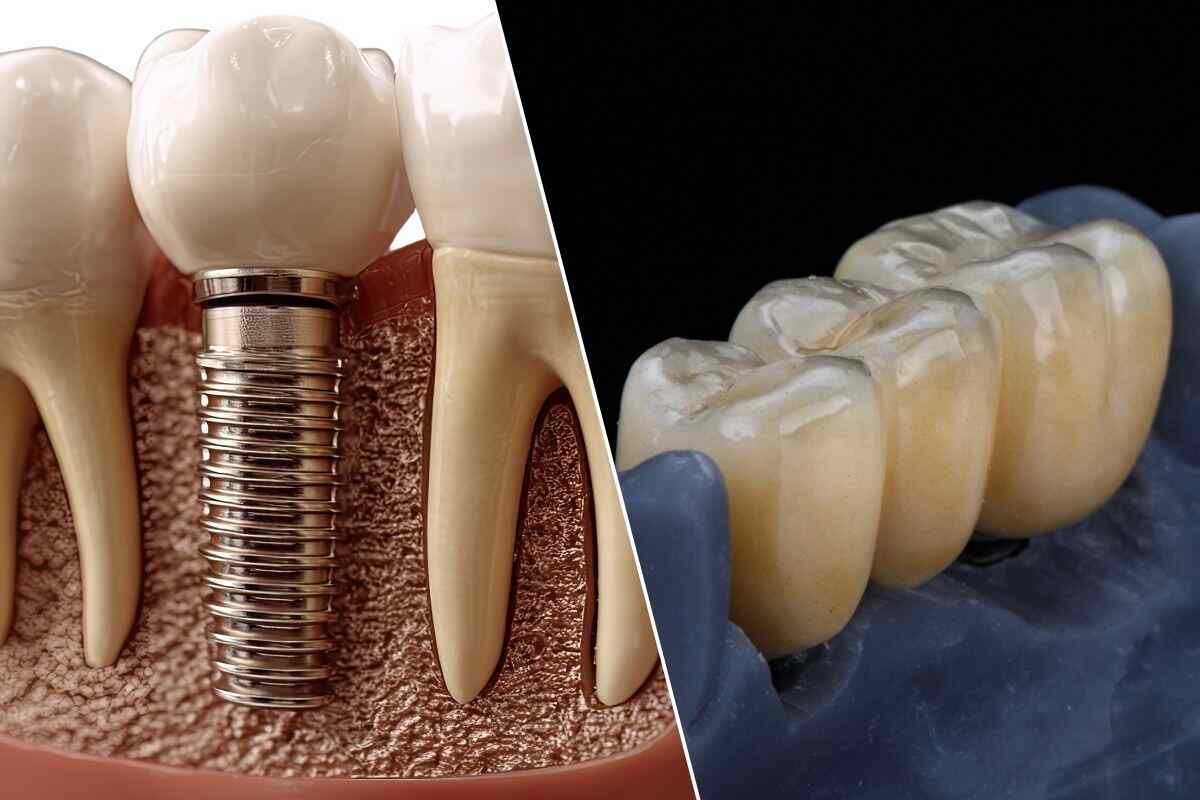
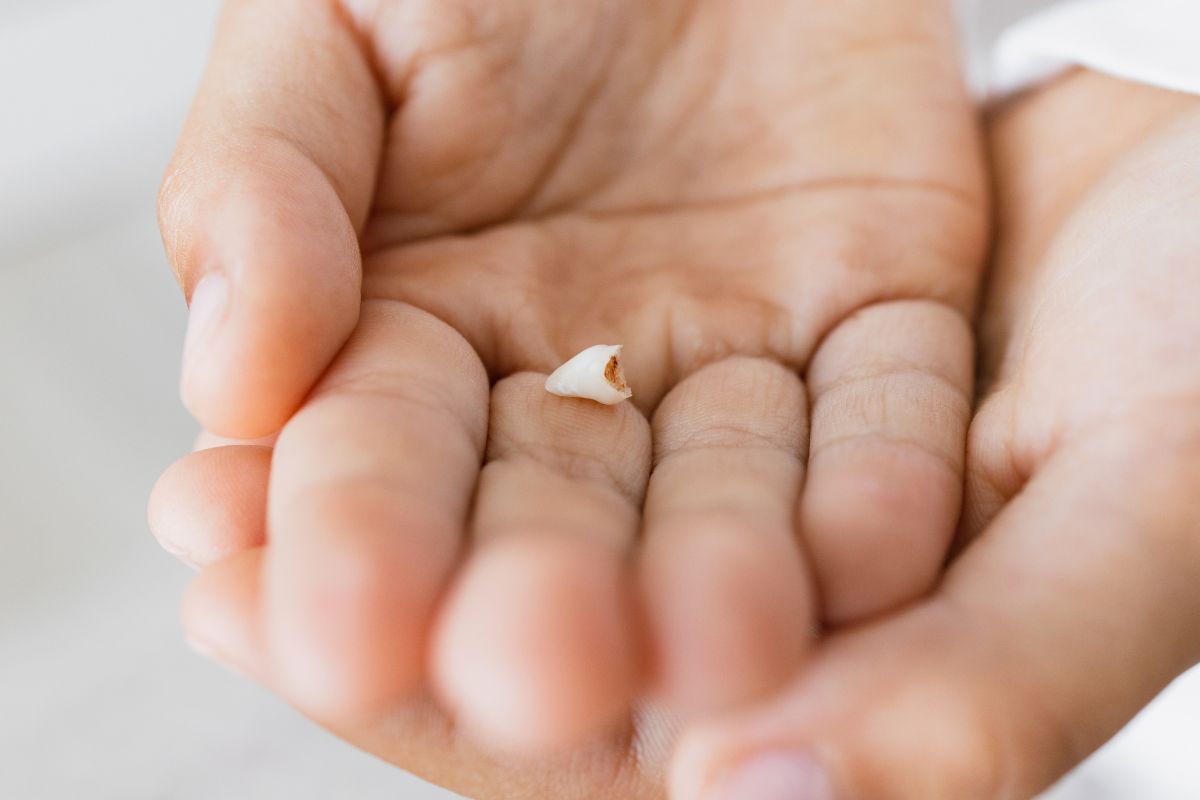
Losing a tooth can affect far more than your smile. When a tooth is lost, the surrounding teeth may begin to shift toward the empty space. Over time, this movement can change the way your teeth come together when you bite or chew. Some people also notice that chewing on one side becomes less comfortable.
Another change can happen beneath the surface. The jawbone in the area of a missing tooth no longer receives stimulation from a tooth root. Over time, that area of bone may begin to shrink.
Replacing a missing tooth may help support:
- Balanced chewing and bite alignment
- Stability of neighboring teeth
- Natural spacing between teeth
- Health of the jawbone over time
For these reasons, dentists often recommend considering a replacement option sooner rather than later.
Two of the most common solutions used to restore a missing tooth are dental bridges and dental implants.
How Dental Bridges Can Help
The teeth on either side of the gap are prepared and fitted with crowns. Those crowns support the replacement tooth – called a pontic – which “bridges” the space between them.
A dental bridge is fixed in place, meaning it stays in your mouth just like a natural tooth.
Key characteristics of a dental bridge
- Uses nearby teeth for support
- Restores chewing ability and appearance
- Typically completed over a few dental visits
- Does not replace the missing tooth root
Bridges have been used in dentistry for many decades and remain a reliable solution in many situations.
How Dental Implants Can Help
Dental implants replaces the missing tooth from the root up. The treatment begins with a small titanium post placed into the jawbone where the tooth once was. That post acts as an artificial root. Over time, the bone integrates with the implant through a process called osseointegration, creating a stable foundation.
Once healing is complete, a custom crown is attached to the implant to restore the visible part of the tooth.
Key characteristics of a dental implants
- Replaces both the tooth and its root
- Stands independently without relying on neighboring teeth
- Integrates directly with the jawbone
- Designed to function like a natural tooth
Dental Bridge vs Implants for a Single Missing Tooth
Maybe a molar was lost years ago, or a front tooth was damaged beyond repair. Both a bridge and an implant can fill that gap, but the way they do it differs.
With a dental bridge
Two neighboring teeth are used to support the replacement tooth. That means those teeth must be reshaped to hold crowns.
With a dental implants
The replacement tooth stands on its own, anchored directly in the bone where the original tooth root once sat.
For many patients, this distinction plays an important role in choosing between the two options.
4 Key Factors to Consider Between Dental Bridges and Implants
Impact on Neighboring Teeth
One of the biggest structural differences between bridges and implants involves the teeth next to the missing space.
A dental bridge relies on adjacent teeth for support. To place the crowns that hold the bridge, those teeth need to be carefully reshaped. If those teeth already need crowns for other reasons, a bridge may fit naturally into the treatment plan.
Dental implants, on the other hand, do not depend on neighboring teeth at all. The implant functions independently, which means the surrounding teeth remain untouched.
From a prosthodontic perspective, preserving healthy natural teeth is often an important consideration when planning treatment.
Jawbone Support and Long-Term Oral Health
Your natural tooth roots play a crucial role in maintaining the health of your jawbone.
Every time you chew, pressure travels through the tooth root into the bone. That stimulation signals the body to maintain the bone structure in that area.
When a tooth is lost, that stimulation disappears.
Because dental implants replace the root, it can continue providing that stimulation to the jawbone. A dental bridge, while effective at restoring the visible tooth, sits above the gumline and does not interact with the bone in the same way.
For patients concerned about maintaining bone structure in the long run, this difference is often part of the discussion.
Treatment Process and Healing
The treatment experience also differs between these two options.
Dental bridge process
A bridge typically involves:
- Preparing the supporting teeth
- Taking impressions for the custom bridge
- Placing the final restoration
Once the bridge is placed, it immediately restores function.
Dental implants process
Implant treatment involves several stages:
- Placement of the implant post
- Healing period while the implant integrates with bone
- Placement of the final crown
While this process takes more time, it allows the implant to become securely anchored within the jaw.
Longevity and Stability
Both bridges and implants are designed to be durable solutions for missing teeth.
A well-made dental bridge can serve patients reliably for many years when properly maintained.
Dental implants, because it is anchored directly into bone and functions like a tooth root, is often considered one of the most stable long-term tooth replacement methods available.
Daily oral hygiene, regular dental visits, and overall oral health all influence how long either restoration lasts.
When a Dental Bridge May Be a Good Option
Despite the advantages of implants, bridges still have an important place in modern dentistry.
A dental bridge may be appropriate when:
- The neighboring teeth already require crowns
- Implant placement is not recommended due to certain anatomical factors
- A patient prefers a non-surgical approach
Finding the Right Tooth Replacement for You?
The best option depends on several factors, including:
- The health of surrounding teeth
- Bone structure in the area
- Overall oral health
- Long-term treatment goals
If you’re dealing with a missing tooth and wondering whether a dental bridge or dental implant is the better choice, a personalized evaluation can provide clear answers.
At Andresen Prosthodontics in Reno, we take the time to assess your oral health, discuss your goals, and explain the options available to restore your smile comfortably and naturally.
Contact us to schedule a consultation and explore the best tooth replacement solution for your needs.
Frequently Asked Questions
1. Is a dental implant better than a bridge for a single missing tooth?
Both options can replace a single missing tooth effectively, but they work in different ways. A dental implant replaces the tooth root and stands independently in the jawbone, while a dental bridge relies on the neighboring teeth for support. Many patients prefer implants because they do not require altering nearby teeth and they function more like a natural tooth. However, the best option depends on your oral health, bone structure, and overall treatment goals.
2. What happens if I don’t replace a missing tooth?
When a tooth is missing, nearby teeth can gradually shift into the empty space. This movement may affect how your bite fits together and can make chewing less balanced. Over time, the jawbone in that area may also begin to shrink because it no longer receives stimulation from a tooth root. Replacing the tooth helps maintain proper alignment and long-term oral health.
3. How do I know if I’m a good candidate for a dental implant or bridge?
A dental examination is the best way to determine which option may work for you. Dentists typically evaluate the health of your gums, the condition of surrounding teeth, and the amount of bone in the area of the missing tooth. These factors help determine whether a dental bridge or dental implant will provide the most stable and functional result.
4. Do dental implants and bridges look like natural teeth?
Yes. Both dental implants and dental bridges are designed to blend naturally with your existing teeth. The replacement tooth is custom-made to match the color, shape, and size of the surrounding teeth so that it looks natural when you smile, speak, and chew.


New Patients Appointment Welcome!