



When you lose a tooth, your jawbone begins to shrink, nearby teeth shift, and your bite can change. The best replacement options, such as dental implants, implant-supported dentures, and well-designed fixed bridges – restore chewing strength, preserve bone, and allow you to eat, speak, and stay active without second-guessing your teeth.
For active adults in Reno, the right tooth replacement must do more than fill a gap. It needs to stay secure during long workdays, outdoor weekends, ski trips toward Lake Tahoe, and everything in between. Stability, durability, and bone support matter just as much as appearance.
At Andresen Prosthodontics, we focus on advanced tooth replacement solutions designed for durability, comfort, and long-term function. Call us at 775-323-3574 to schedule a consultation and get clear answers about the best tooth replacement option for your active life.
Why Replacing Missing Teeth Matters More Than You Think
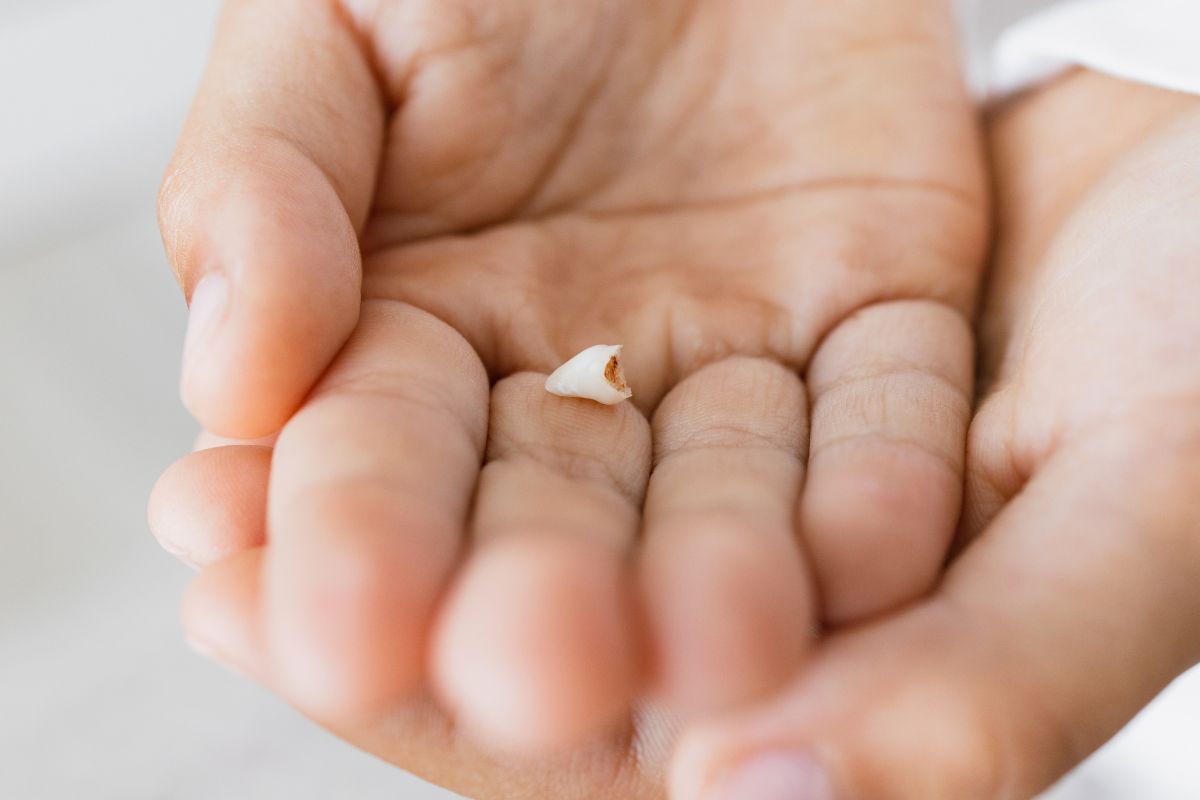
When you lose a tooth, the issue goes beyond appearance.
Missing teeth can:
- Shift your bite and cause uneven wear
- Lead to jaw discomfort or TMJ strain
- Allow bone loss in the jaw
- Make chewing tougher foods difficult
- Affect speech clarity
For active adults, these problems show up quickly. You may notice soreness after long days, difficulty eating high-protein foods, or sensitivity during cold winters.
Replacing a missing tooth early helps preserve the jawbone, maintain facial structure, and keep your bite stable. That stability matters when you live an active lifestyle.
Dental Implants: The Most Durable Option for Active Adults
For most healthy adults, dental implants are the strongest and most stable tooth replacement available.
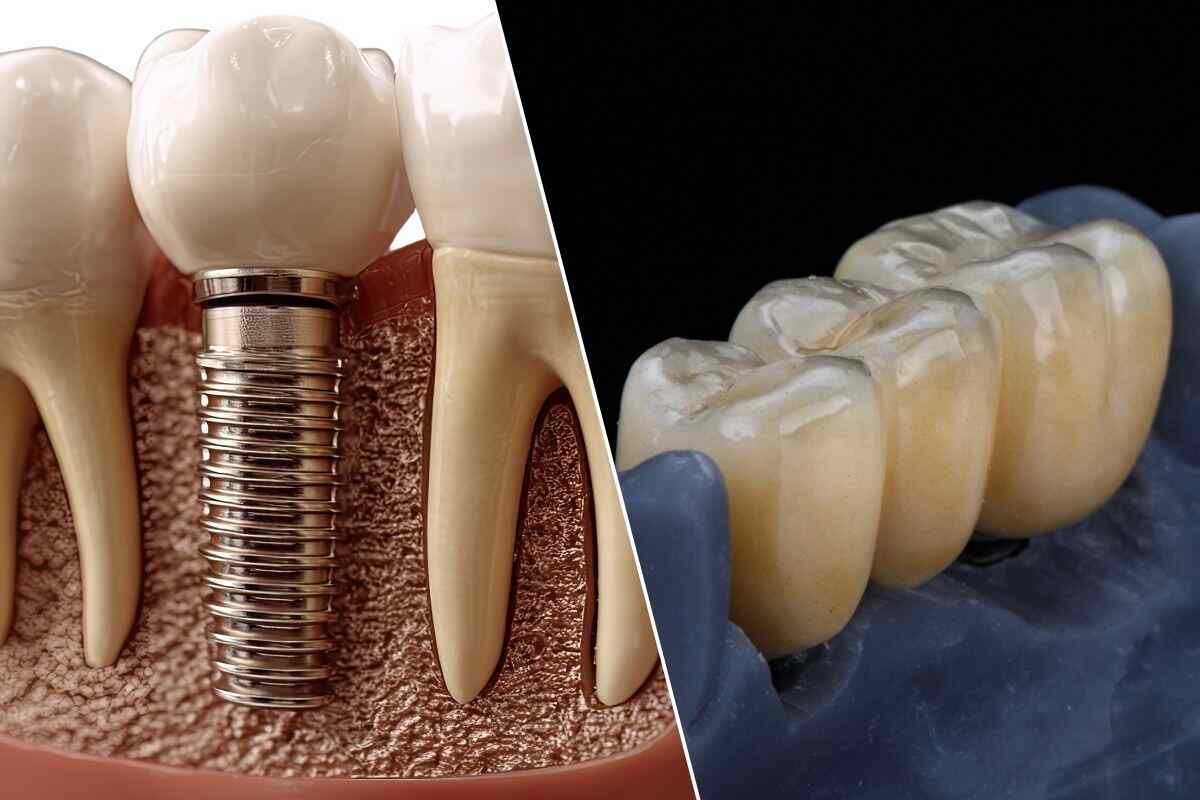
A dental implant replaces both the tooth root and the crown. We place a titanium post in the jawbone, where it integrates with the bone over time. Once healed, we attach a custom crown that looks and functions like a natural tooth.
Why implants work well for active lifestyles:
- They don’t shift or slip
- You can eat steak, nuts, apples, and protein bars without worry
- They preserve jawbone density
- They don’t rely on neighboring teeth
- They can last decades with proper care
If you hike around the Sierra, ski in winter, or spend weekends mountain biking, stability matters. Implants don’t move during physical activity. You won’t think about them.
Many patients search for “long-lasting tooth replacement in Reno” or “best dental implants for active adults.” In most cases, implants check those boxes.
Implant-Supported Dentures: Stability Without the Bulk
If you’re missing multiple teeth or an entire arch, implant-supported dentures offer significantly more stability than traditional dentures.
Traditional dentures rest on the gums. Implant-supported dentures anchor into dental implants, which:
- Prevent slipping during conversation
- Reduce sore spots
- Improve chewing strength
- Help slow bone loss
For active seniors or adults who stay socially and physically engaged, this option feels more secure. You can speak confidently at events, enjoy meals out, and stay active without worrying about movement.
Patients often search for “dentures that don’t move.” Implant-supported solutions provide that added stability.
Dental Bridges: A Fixed Option Without Surgery
A dental bridge replaces a missing tooth by anchoring to the adjacent teeth. It remains fixed in place and restores function and appearance.
Bridges may suit patients who:
- Cannot undergo implant surgery
- Need a quicker solution
- Have strong neighboring teeth that can support a bridge
However, bridges don’t prevent bone loss in the area of the missing tooth. Over time, that can affect the jawbone beneath.
For active adults comparing “dental bridge vs implant,” the key difference comes down to longevity and bone preservation. Bridges function well, but implants provide a more complete structural solution.
What About Partial Dentures?
Removable partial dentures replace several missing teeth and cost less upfront than implants.
For some patients, they provide a reasonable short-term solution. But for highly active individuals, they can feel bulky or less secure. Physical movement, dry climate conditions, and long hours outdoors may increase irritation or discomfort.
If you spend long days outside in Reno’s dry air, you may notice removable appliances feel looser as tissues shift throughout the day. Staying hydrated helps, but stability still matters.
How Reno’s Climate and Lifestyle Affect Tooth Replacement
The air runs dry much of the year. Many residents stay physically active year-round.
That combination can influence oral health:
- Dry mouth increases risk of irritation
- Dehydration affects gum tissue comfort
- Cold air can heighten tooth sensitivity
- High-impact sports demand durable dental work
When choosing a tooth replacement option, consider how it will feel during long hikes, ski trips, cycling events, and extended time outdoors.
Durability and comfort become essential, not optional.
Key Factors to Consider Before Choosing Dental Restorations
Every case differs, but I advise patients to weigh the following:
1. Bone Health
Adequate jawbone supports dental implants. If bone loss has occurred, bone grafting may be necessary.
2. Long-Term Value
Implants often cost more initially but last longer. Bridges and removable options may require replacement sooner.
3. Comfort During Activity
Will the restoration stay secure while speaking, eating, or exercising?
4. Maintenance
Implants function like natural teeth. Removable appliances require daily removal and cleaning.
5. Overall Health
Medical history, medications, and healing capacity all matter.
If you search “best tooth replacement for active adults near me,” you’re really asking which solution fits your body, your schedule, and your long-term health.
A Word About Waiting Too Long
Some patients delay treatment because the missing tooth doesn’t hurt. But over time:
- Adjacent teeth drift
- Opposing teeth over-erupt
- Bone shrinks
- Bite changes become harder to correct
Early treatment simplifies the process and preserves more options.
Which Option Holds Up Best?
For most active adults, dental implants provide the most durable, stable, and long-lasting solution. They allow you to:
- Eat normally
- Speak confidently
- Maintain bone structure
- Stay active without worry
That said, the best option always depends on your specific condition. A careful evaluation determines what will serve you best long term.
Frequently Asked Questions
1. Are dental implants safe for adults over 50 who stay active?
Yes. Age alone does not disqualify you from getting dental implants. What matters more is overall health, bone density, and gum condition. Many adults in their 50s, 60s, and beyond choose implants because they want a stable, long-term solution that keeps up with travel, exercise, and social activities. As long as healing capacity is good and medical conditions are controlled, implants remain a predictable and safe option.
2. Can I play sports or exercise normally with dental implants?
Yes. Once fully healed, dental implants function like natural teeth. You can run, lift weights, ski, mountain bike, and participate in recreational sports without worrying about movement or slipping. For contact sports, I still recommend wearing a custom mouthguard to protect both natural teeth and restorations.
3. How long do dental implants last compared to bridges or dentures?
Dental implants can last 20 years or more and often much longer with proper care. Because they replace the tooth root, they also help maintain jawbone density. Traditional bridges typically last 10–15 years, while removable dentures may require adjustments or replacement sooner due to ongoing bone changes.
4. How soon should I replace a missing tooth to prevent bone loss?
Bone loss begins soon after a tooth is lost. Within the first year, noticeable shrinkage can occur in the jawbone. Replacing a missing tooth early with an implant helps preserve bone structure and keeps neighboring teeth from shifting. Waiting too long can limit your treatment options and make the process more complex.

New Patients Appointment Welcome!