


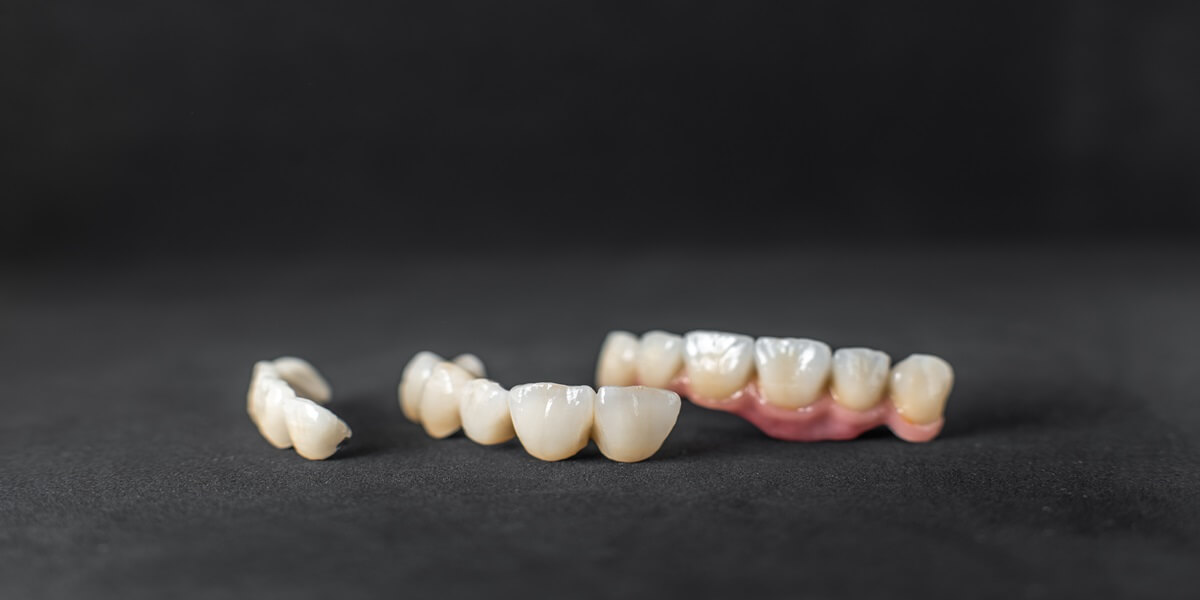
Dental crowns are one of those treatments that come up often, but not always with a clear explanation. Maybe you’ve had a tooth repaired before, or maybe this is the first time your dentist has recommended one. Either way, it’s worth understanding why a crown might be necessary and what it actually does for your tooth.
In this blog, we’ll take a closer look at when a dental crown is typically recommended, how it works, and what to think about before deciding if it’s the right move for you.
When Might You Need a Crown?
Crowns are often used when a filling alone isn’t enough to protect the tooth or when there’s a risk of further breakage. Here are a few common situations where a crown could be the right choice:
- You Have a Large Cavity That Can’t Be Filled
When decay has taken over too much of a tooth, a traditional filling won’t be strong enough to hold it together. A crown provides full coverage, protecting what remains and restoring the tooth’s function.
- Your Tooth Is Cracked or Broken
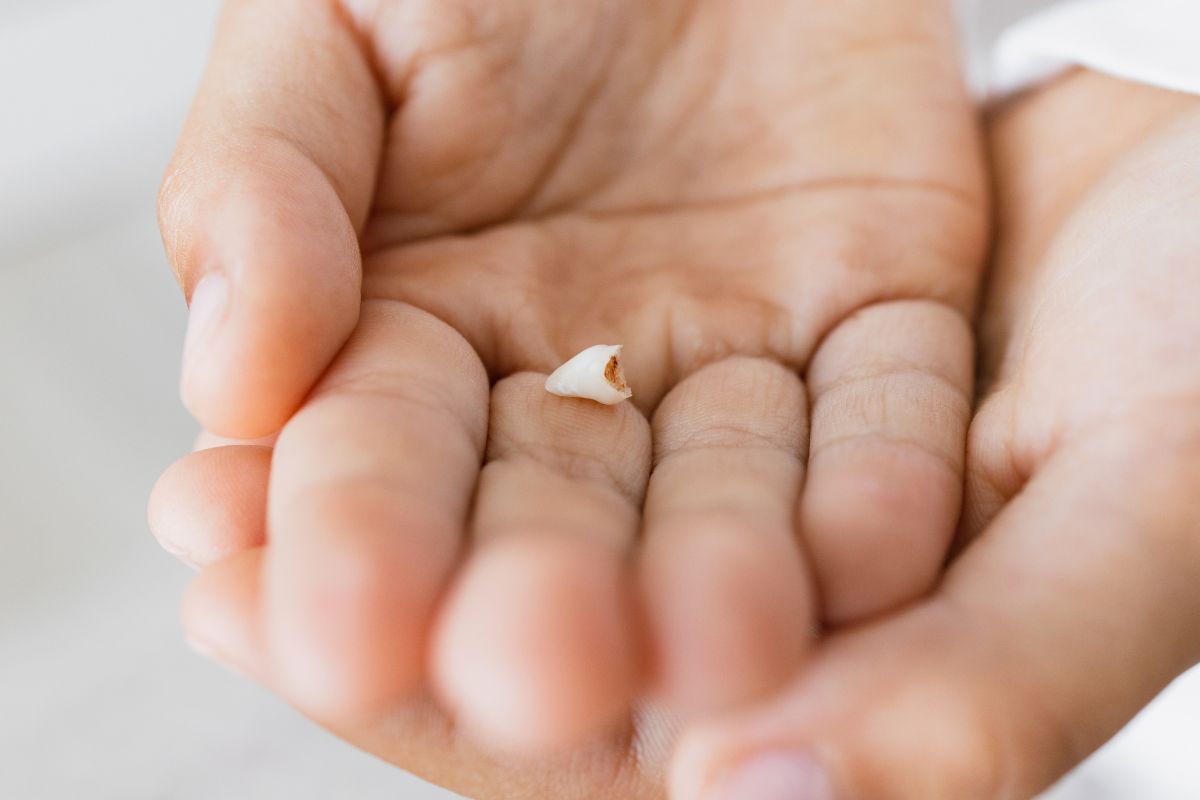
If you’ve chipped or fractured a tooth that takes a lot of pressure when chewing, a crown can stabilize the structure and prevent further damage.
- After Root Canal Treatment
A tooth that’s had a root canal often becomes brittle over time. Putting a crown on a tooth helps preserve it and prevents it from breaking.
- You’re Replacing an Old or Failing Filling
Old fillings can break down or leak, especially if they’re large. In many cases, replacing them with a crown offers better protection and longevity.
- You Want to Improve the Look of a Damaged Tooth
While crowns are often done for health reasons, they also have cosmetic benefits. A crown can improve the appearance of a discolored, misshapen, or worn-down tooth.
Benefits of Getting a Dental Crown
When a crown is the right solution, it can make a big difference, not just in how your tooth looks, but how it feels and functions day to day. Here are a few reasons why crowns are a trusted option:
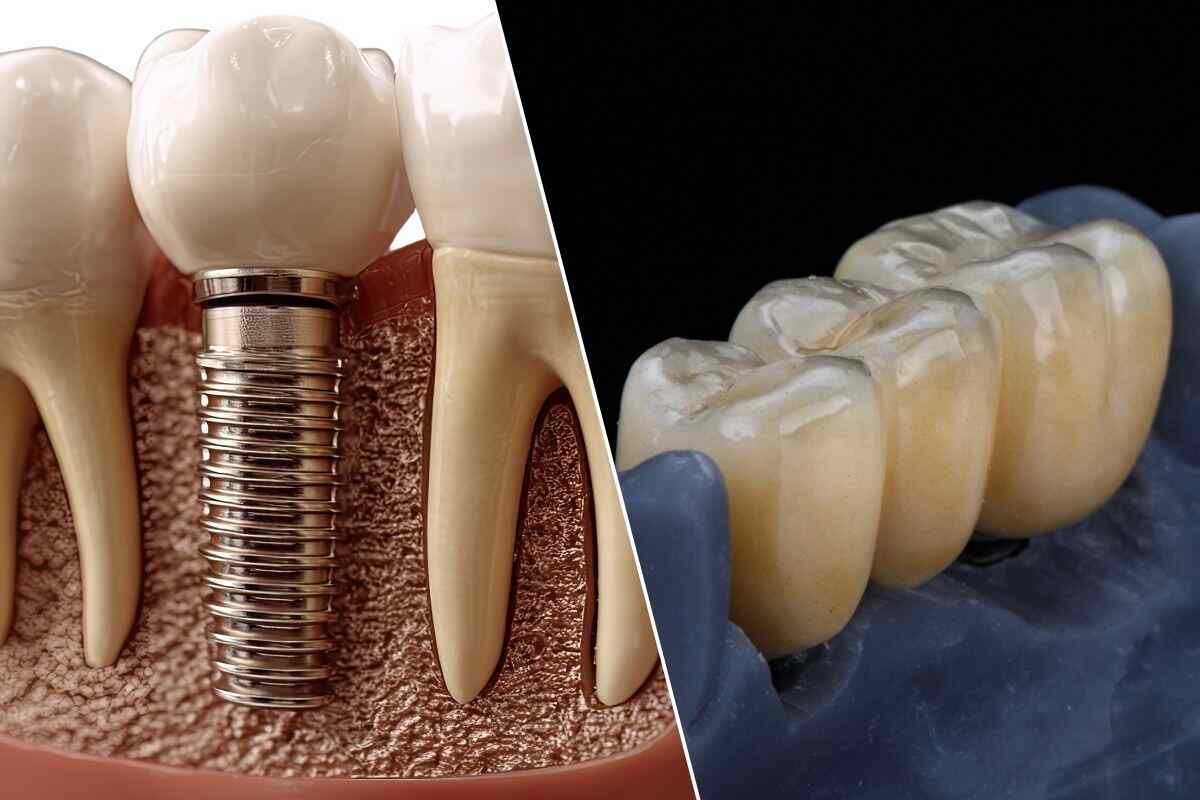
- Protection and Strength: Crowns fully encase the tooth, which helps prevent fractures or further decay in teeth that are already compromised.
- Natural Appearance: Modern crowns, especially those made from porcelain or ceramic, are carefully matched to the color of your natural teeth. Most people won’t even notice you have one.
- Improved Comfort: If you’ve been living with a cracked or sensitive tooth, a crown can help eliminate discomfort and make eating easier.
- Long-Term Solution: With good care, dental crowns can last for many years, often over a decade making them a reliable investment in your oral health.
Things to Consider Before Getting a Crown
Like any dental treatment, crowns aren’t a one-size-fits-all fix. Here are a few things to keep in mind:
- Tooth Preparation Is Permanent: To place a crown, some of your natural tooth structure will need to be reshaped. The tooth will always need protection because this is a permanent change.
- You Might Experience Some Sensitivity: After a crown is placed, it’s normal to feel some sensitivity—especially to hot or cold. This usually fades, but it’s something to be aware of.
- They Can Wear Down Over Time: Crowns are durable, but they’re not invincible. Chewing on ice, grinding your teeth, or biting hard objects can cause wear or damage.
- Cost and Insurance Coverage: Depending on the material used and your insurance plan, crowns can vary in cost. Some policies cover them partially, while others may not.
Your dentist can walk you through these considerations and help you weigh the pros and cons based on your specific situation.
Still Not Sure If You Need a Crown? Contact Andresen Prosthodontics in Reno, NV
If you’re dealing with a damaged tooth or just want a second opinion, the best next step is a thorough exam. At Andresen Prosthodontics, we take the time to understand your dental needs and goals before recommending any treatment. We’ll help you make an informed decision, whether you need a crown or a more conservative treatment.
Contact us today to schedule a consultation and let us help you restore your smile and oral health.
FAQs
1. How long do dental crowns usually last?
Dental crowns can last anywhere from 10 to 15 years with proper care. Their lifespan depends on several factors, including the material used, your oral hygiene, and whether you grind your teeth or chew on hard foods.
2. Does getting a crown hurt?
The procedure itself is typically not painful. Your dentist will numb the area before working on the tooth, so you shouldn’t feel anything during the appointment. Some people experience mild sensitivity or soreness afterward but this usually fades within a few days.
3. Is a crown always necessary after a root canal?
In most cases, yes. After a root canal, the tooth can become more brittle over time. A crown helps protect it from cracking or breaking, especially on back teeth that take more pressure when chewing.
4. What’s the difference between a crown and a filling?
A filling is used to repair a small area of decay or damage within a tooth, while a crown covers the entire tooth. Crowns are usually recommended when there’s not enough healthy tooth left to support a filling.
5. Does a crown hurt when biting on hard foods?
A properly placed crown shouldn’t cause pain when chewing. If you feel discomfort when biting down with crown, it could be a sign that the crown is sitting well or that the tooth underneath is sensitive. It’s important to let your dentist know so they can make any needed adjustments.

New Patients Appointment Welcome!